

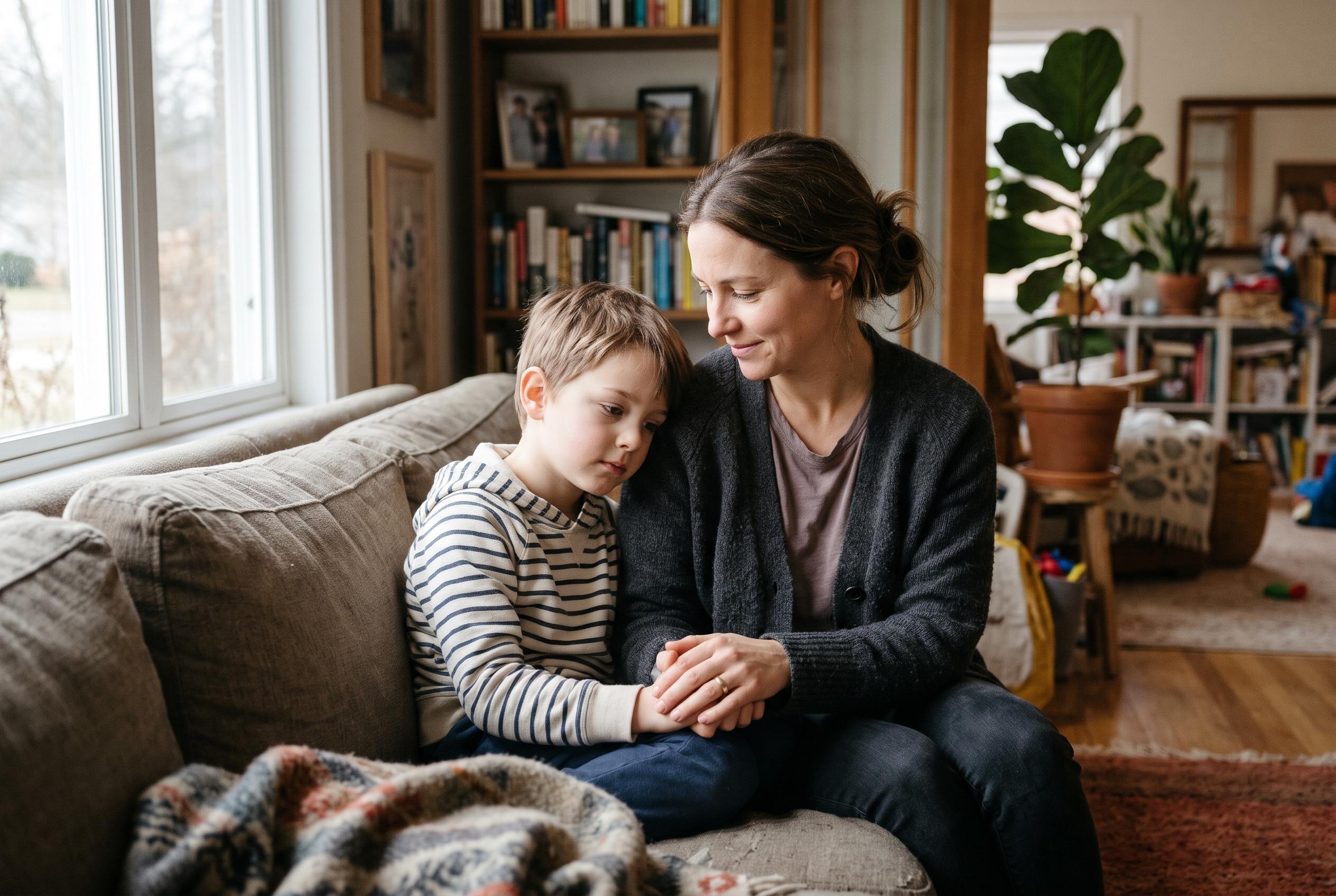

A child psychologist says parents need not avoid an occasional drink around their children, but should pay close attention to changes in behaviour and signs of distress.
Parents do not need to panic over the occasional glass of wine or beer in front of a child, but the issue is more complicated than a simple rule of thumb. In a reader’s question in Dagens Nyheter, child psychologist and researcher Malin Bergström argues that the real test is not whether adults drink at all, but whether a child feels uneasy about it, or whether the drinking alters the parent’s behaviour in a way the child can notice.
Bergström’s answer reflects a broader shift in how alcohol and parenting are discussed. She notes that concern has grown as more is known about the harm caused when children live with adults who drink too much. At the same time, she argues that it is possible to hold two ideas at once: that harmful drinking can be devastating for children, and that a modest amount of alcohol does not in itself harm a child simply by being present in the room. Her central point is that the family in question should not assume their daughter’s anxiety must be met by avoiding alcohol altogether.
That advice is closely tied to the girl’s temperament. Her parent describes an eight-year-old who is already cautious, dislikes making mistakes and seems drawn to safety. Bergström says that, in children with that kind of anxious outlook, avoiding the trigger can make the worry stronger rather than weaker. She recommends the opposite approach: calm, repeated exposure to the thing that feels unsettling, so the child learns that discomfort does not necessarily lead to danger.
Her reasoning is in line with broader research on how children perceive parental drinking. A study published in JAMA Pediatrics found that parental alcohol use can contribute to children’s mental-health risks when combined with other vulnerabilities, rather than acting in isolation. Research in Australia, meanwhile, found that many parents drink in front of children, sometimes while slightly or visibly drunk, underlining the lack of clear social consensus about what is acceptable. And a report from the Institute of Alcohol Studies has found that children often notice even mild intoxication and may feel less secure, less comforted and more affected by conflict or disrupted routines.
Bergström therefore advises the parents to continue with an occasional drink if their daughter is not genuinely distressed by their behaviour, but to avoid feeding her worry with repeated reassurance. In her view, telling a child over and over that the adults are “being responsible” can sometimes strengthen the very anxiety the parents are trying to ease. Instead, she suggests naming the worry, talking about how anxious thoughts work and helping the child learn that she does not have to obey every fearful idea that comes into her head. At the same time, she draws a clear line for families in which drinking may already be edging into harmful territory: if a parent cannot be fully present for a child when needed, the problem is no longer a matter of etiquette but of care.
Disclaimer: This content is for informational purposes only and is not intended to be a substitute for professional medical judgment, advice, diagnosis, or treatment.



