

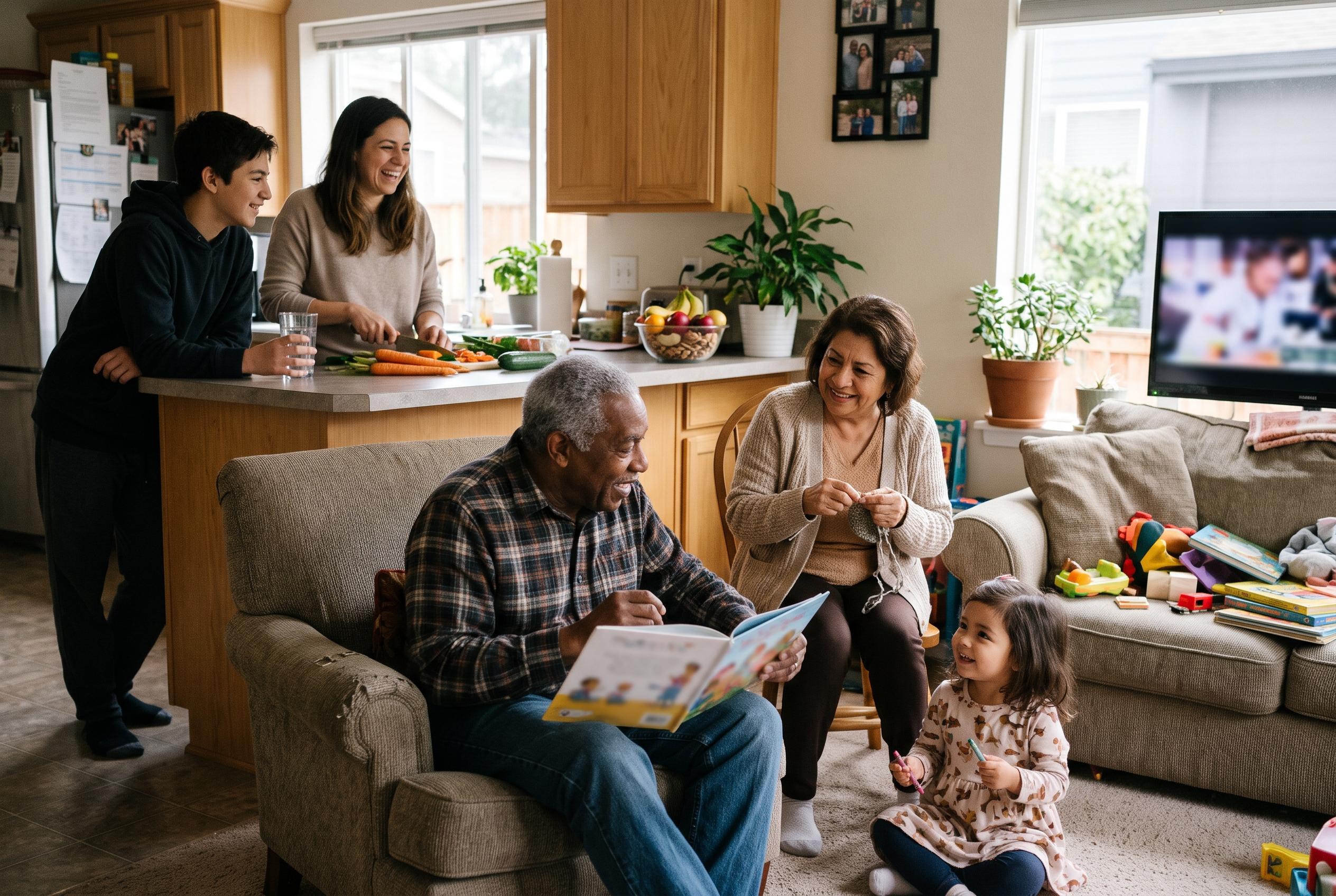

A study suggests non-maternal household members are the main source of hepatitis B exposure for many young children, strengthening the case for routine vaccination at birth.
A study presented at IDWeek suggests that household contact, rather than a baby’s mother, is now the main source of hepatitis B exposure for many young children in the United States. Researchers led by Karen B. Jacobson of Kaiser Permanente Northern California found that 58.2% of children under five exposed to active hepatitis B in the home were infected by someone other than their birth mother, a result that raises questions about recent shifts in vaccination guidance. According to the report, the concern is especially important because infants without a birth dose can remain vulnerable during the first months of life, before they are old enough for daycare or school.
Jacobson told Contagion that the non-maternal contacts in the study were typically older men, most likely fathers, grandparents or other relatives living in the same home. The article noted that these contacts were older than HBV-positive mothers, and that most were male. Kaiser Permanente said this pattern points to a gap in relying only on maternal screening, because it can miss other infected adults and close caregivers in the household.
The findings also highlight a practical protection gap. According to the study, every child with a birth exposure received the hepatitis B vaccine within seven days of birth, while the rate fell among children exposed through household contact and was lower still in unexposed children. Public health guidance from the US Department of Health and Human Services says hepatitis B spreads through contact with infectious blood and body fluids, and can also be transmitted through shared personal items, sharps injuries and other close-contact routes. Separate guidance from the UK Health and Safety Executive says the virus can remain viable in dried blood on surfaces, underscoring the need for prompt vaccination and good decontamination practices.
Jacobson argued that clinicians cannot realistically screen every person who may spend time around an infant. Speaking to Contagion, she said it is difficult to assess the hepatitis B status of everyone in a child’s household, let alone other close contacts such as childcare providers. She also warned that many people with chronic hepatitis B do not know they are infected. That, she said, makes the birth dose the most reliable and feasible way to protect babies. Kaiser Permanente estimates that about 640,000 adults in the US live with chronic hepatitis B, and says around 90% of infants infected early in life develop chronic infection.
The study arrives as debate continues over how far vaccine policy should lean on maternal screening alone. Jacobson said the newly proposed guidance places too much emphasis on maternal exposure and overlooks horizontal transmission, meaning spread between non-parental household contacts. The research therefore adds fresh support to the case for routine vaccination at birth, especially for families in which infection could come from more than one source.
Disclaimer: This content is for informational purposes only and is not intended to be a substitute for professional medical judgment, advice, diagnosis, or treatment.



