

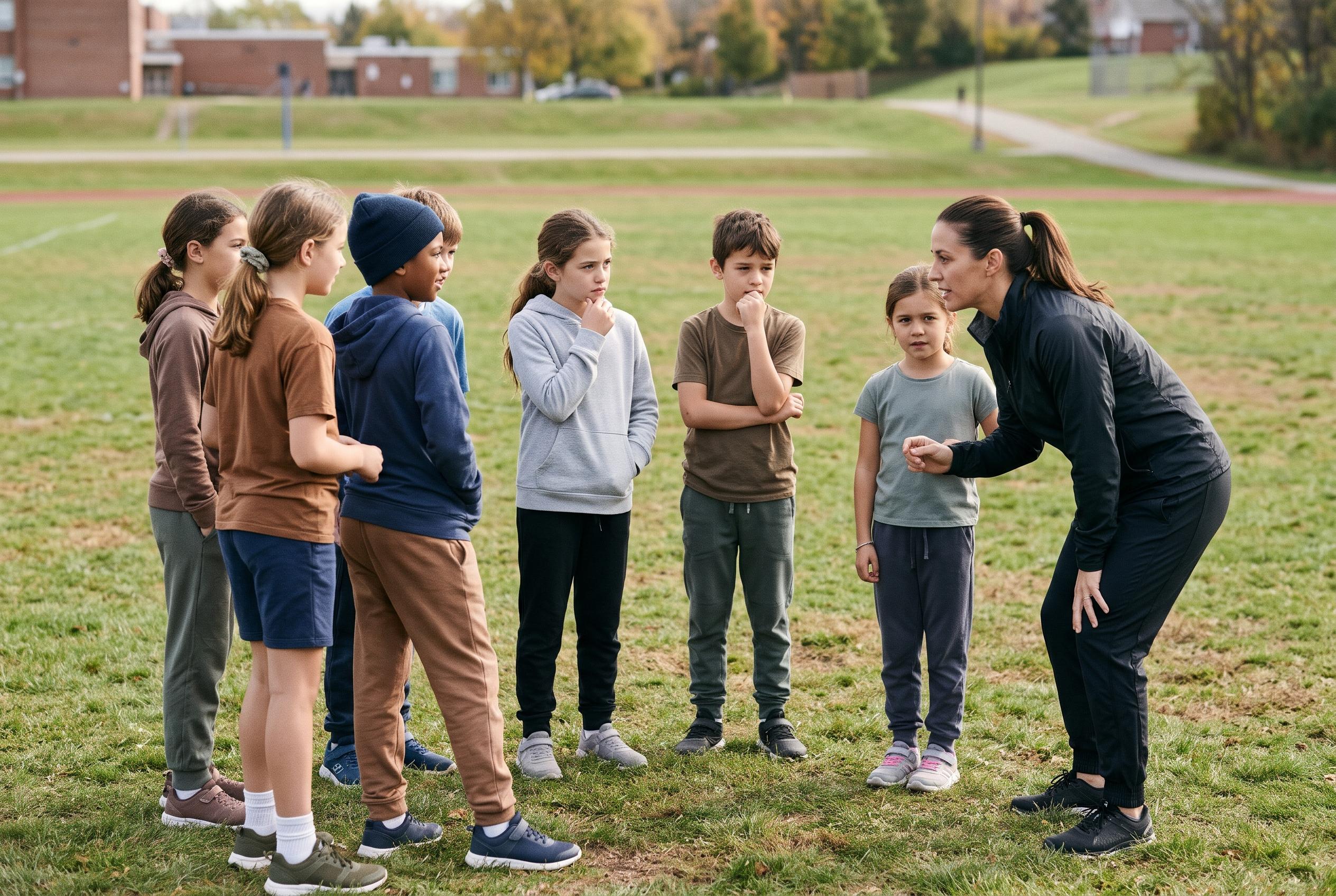

Early selection can mistake maturity for potential and drive children out of sport. Coaches and schools are urged to delay cuts where possible and handle them with transparency, care and a clear route forward.
As winter tryouts approach, youth sports once again arrive at one of their hardest rituals: the cut list. Morgan J. Sullivan argues that the way coaches and schools manage that moment says a great deal about what they believe education-based athletics is for, especially when children are young enough to still be learning the game and themselves.
Sullivan’s clearest position is that children should not be cut before middle school. At elementary age, he writes, coaches are trying to predict future potential far too early, when growth, coordination and confidence are still uneven. Research on the relative age effect supports that warning, showing that children born earlier in the selection year are often judged more favourably simply because they are older and physically more developed. Sport England has also reported that around 70% of children leave organised sport by age 13, suggesting that early rejection can push young athletes away from activities they might otherwise have continued to enjoy.
That does not mean every middle school programme can or should guarantee a place for everyone. Sullivan acknowledges that numbers, space and safety can make some form of selection unavoidable when one coach is trying to manage too many athletes in too little room. But he says cuts should never be the first answer. Before excluding a child, schools should consider B teams, adjusted practice times, extra volunteer help, shared facilities or support from the high school programme. The point, he writes, is that necessity is one thing; convenience is another.
The argument becomes more accepted at high school level, where varsity pathways are more competitive and roster limits are often a practical reality. Even so, Sullivan says the process still matters. His advice is straightforward: publish selection criteria in advance, hold private conversations rather than delivering news in public, explain what led to the decision and give each athlete a clear next step. That approach is consistent with research on deselection in youth sport, which has found that being cut can feel like a genuine loss and can affect an athlete’s sense of identity, while also stressing that coaches themselves experience the process as stressful.
For parents, Sullivan’s message is not to pretend the disappointment is small. It is to let children feel it, then help them respond constructively rather than react angrily. A difficult conversation, he suggests, can become a useful lesson if adults model resilience, fairness and honesty. In his view, cuts should never be handled casually, whether the athlete is nine or 19. A child should leave the experience with a sense that the decision was real, but so was his or her value.
Disclaimer: This content is for informational purposes only and is not intended to be a substitute for professional medical judgment, advice, diagnosis, or treatment.



