

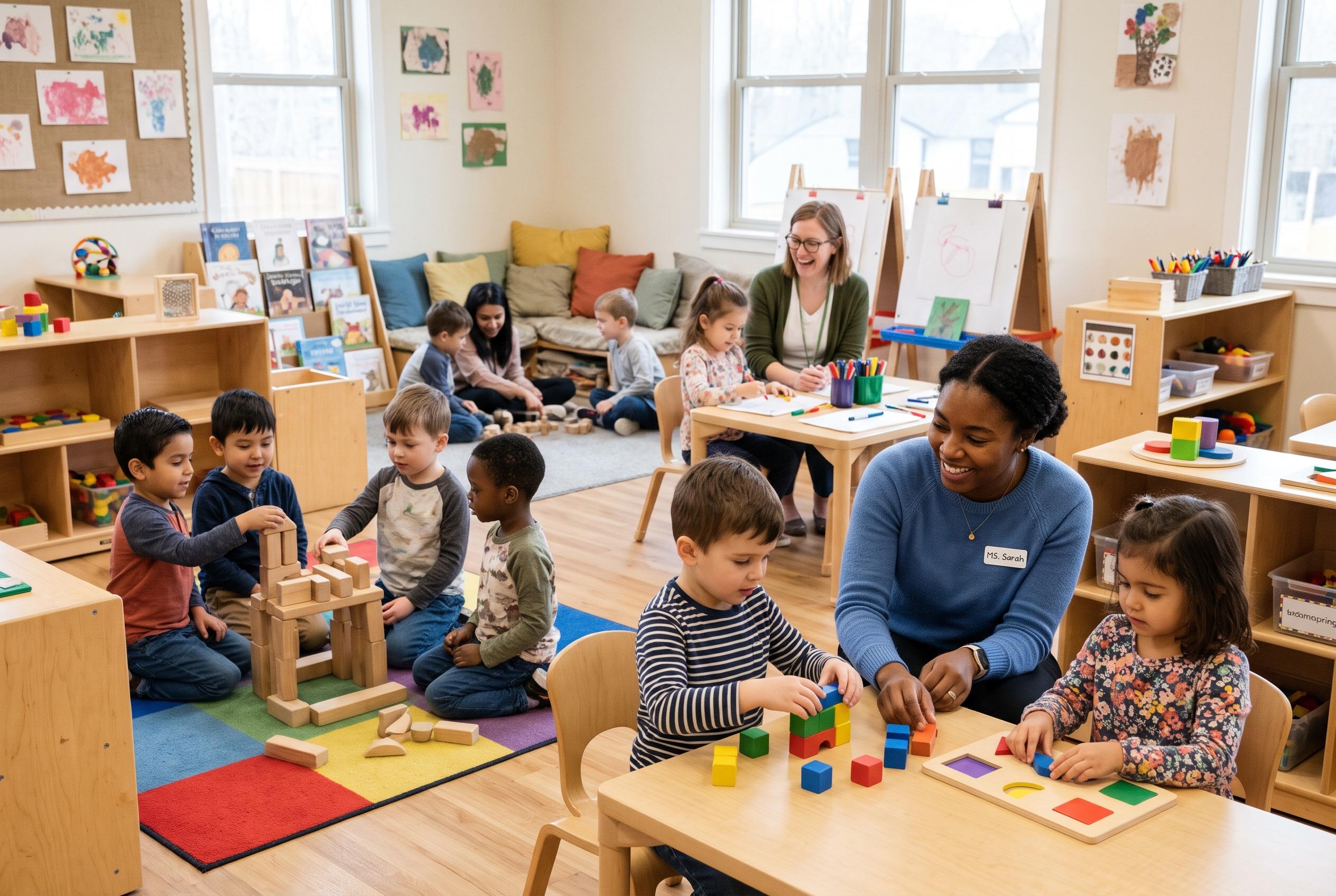

The proposed budget increases preschool funding in real terms and targets long-standing gaps in VTF centres, JUNJI kindergartens and Local Public Education Services.
Chile’s proposed 2027 budget for early childhood education marks a meaningful shift towards the country’s youngest children, with a real increase of 3.6% for preschool provision. The proposal has been welcomed by advocates who argue that investment in the first years of life delivers the strongest long-term return, helping to shape children’s cognitive, emotional and social development at a stage when those foundations are formed.
Supporters say the funding rise is especially important for nursery schools and crèches that serve children through the public transfer-of-funds system, commonly known as VTF. According to Fundación Educacional Oportunidad, those centres have long carried structural financing gaps, including many run by foundations and municipalities and now some being transferred to Local Public Education Services. Closing those gaps, the organisation argues, is essential if Chile is to improve equity for more than 116,000 children, many of them from more vulnerable households.
The broader budget debate has placed early childhood at the centre of the government’s social agenda. On 21 October 2026, Social Development Minister María Jesús Wulf presented the 2027 budget for her ministry and highlighted a near fourfold increase in resources for child development compared with the ministry’s overall budget. She urged Congress to approve the package, saying vulnerable children and their families need timely support and concrete responses.
Education-focused reporting has also pointed to more targeted measures within the proposal. The 2027 education budget includes a real 5% increase in the value per child for 1,724 JUNJI kindergartens, along with an 8.3% rise in capital spending intended to speed up official recognition for early education centres. It also sets aside 103,743 million pesos to cover deficits in Local Public Education Services, reflecting persistent funding shortfalls in the sector.
The government’s emphasis on preschool comes alongside a wider effort to redirect resources towards areas seen as most urgent. According to other reports on the budget, early childhood education is one of the clearest priorities within a package that also seeks to preserve the stability of the wider system. Even so, advocates warn that this year’s increase, while welcome, is only a step towards a lasting solution. For them, the real test is whether Chile builds a stable financing model that allows every child, regardless of background, to develop the skills that will shape their future.
Disclaimer: This content is for informational purposes only and is not intended to be a substitute for professional medical judgment, advice, diagnosis, or treatment.



