

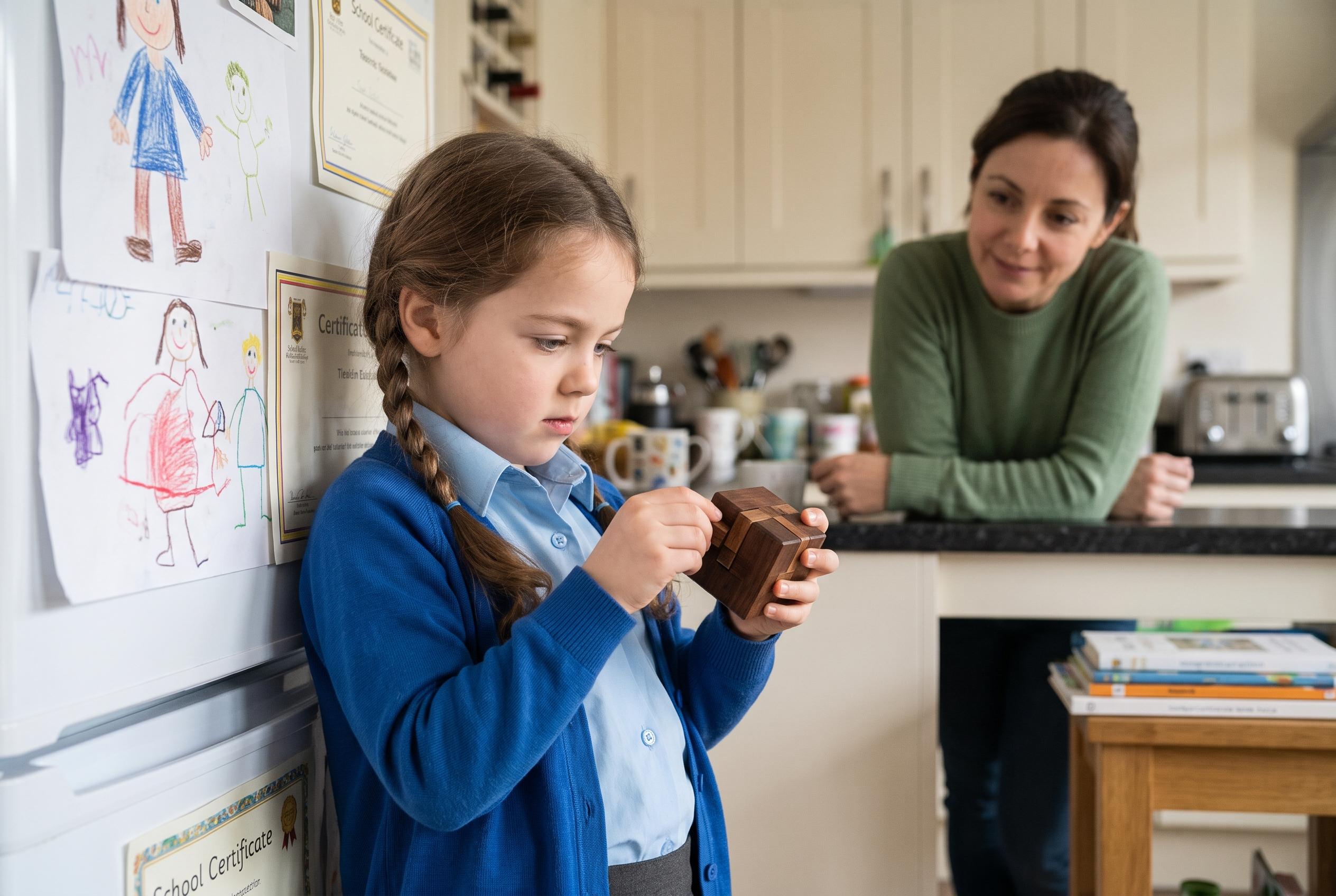

Occasional trips and awkward movements are often part of growing up, but repeated difficulties with dressing, play or schoolwork may warrant an assessment.
A child who seems awkward on their feet is not automatically showing a medical problem. According to Benchmark Physio, many children look less coordinated while they are learning new skills, and occasional trips, bumps or hesitations can simply be part of normal development. The more useful question is not whether a child has one clumsy moment, but whether movement difficulties repeatedly interfere with dressing, play, schoolwork or confidence.
That distinction matters because motor development does not unfold at the same pace for every child. The Physio Co and MedlinePlus both note that poor coordination can appear in a range of everyday tasks, from running and climbing stairs to handling small objects, and it may be associated with wider developmental conditions, including Developmental Coordination Disorder. At the same time, specialist guidance stresses that a single mishap, or a skill arriving later than it does for a classmate, does not by itself point to a diagnosis.
What parents can do is watch for patterns. Benchmark Physio advises noting the activity, how often the problem happens, the setting and whether the child can continue independently. That kind of observation helps distinguish an isolated wobble on unfamiliar playground equipment from a repeated struggle with stairs, dressing, ball games or classroom tasks. The key issue is whether the child is avoiding activities, needing extra help or becoming frustrated because movement is getting in the way of daily life.
Experts also say it helps to look across different types of movement. Gross motor skills involve larger actions such as walking, running and climbing; fine motor skills cover smaller movements, such as using buttons or holding a pencil. A child may be confident in one area and struggle in another. The M47 online clinical resource on clumsiness notes that persistent problems, delays in motor milestones or regression in skills can warrant closer review, especially if they are combined with learning or behavioural concerns.
If movement concerns keep recurring, an assessment can provide clarity without rushing to label the child. Benchmark Physio says a paediatric physiotherapy review may look at balance, co-ordination, strength, mobility and how a child moves during ordinary activities. That approach reflects what medical references emphasise: clumsiness is a description, not a diagnosis. The point of assessment is to understand what is happening, what support may help and whether there is an underlying issue that needs further attention.
There is also evidence that physiotherapy can help some children with poor co-ordination. A study indexed on PubMed found that a structured physiotherapy programme improved motor skills in a group of clumsy children, with gains still present three months after treatment ended. That does not mean every child needs therapy, but it does support the idea that targeted practice and guidance can make a meaningful difference when motor difficulties are affecting everyday life.
Disclaimer: This content is for informational purposes only and is not intended to be a substitute for professional medical judgment, advice, diagnosis, or treatment.



