

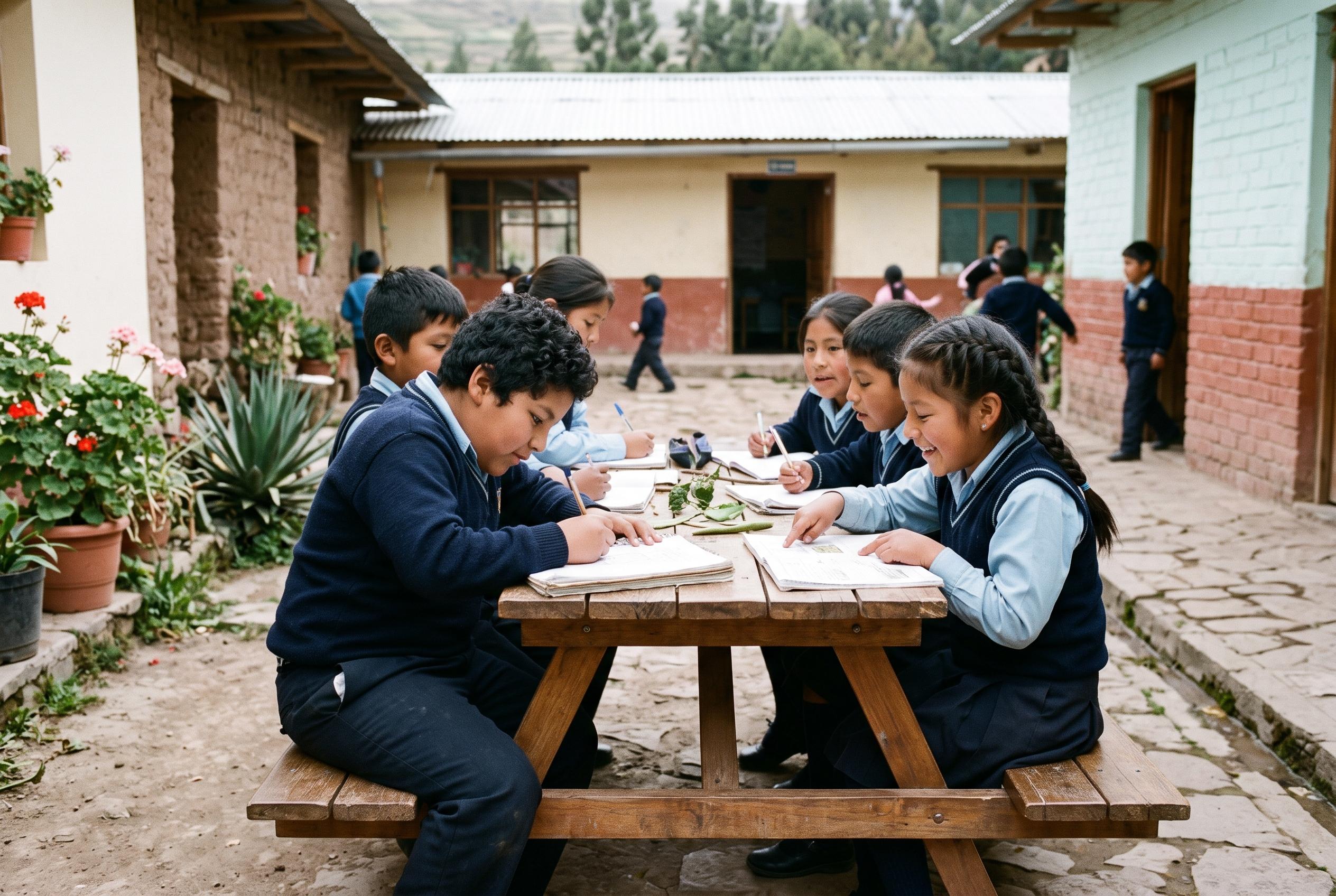

Health authorities have updated a national data platform as overweight, obesity and anaemia continue to affect children and teenagers across Peru.
Peru’s health authorities have warned that excess weight is affecting a large share of the country’s children and teenagers, with one in three schoolchildren now carrying extra weight. In several regions, including Lima, Callao, Tacna, Moquegua, Ica, Madre de Dios, Arequipa and Tumbes, more than 40% of adolescents are overweight or living with obesity, according to Peru’s National Centre for Food, Nutrition and Healthy Living, which is part of the National Institute of Health.
The warning comes as the Ministry of Health has refreshed Obsérvate Perú, a digital platform designed to make nutrition data and scientific evidence easier to find. Officials say the site is intended to help schools, regional governments, local authorities and health services identify where the problem is most severe and tailor interventions to local needs. The platform, which is free to access, covers children under five, school-age children, adolescents and adults, and includes information on nutrition, eating habits, physical activity and regional patterns of overweight and obesity.
Recent analysis published by the Ministry of Health on the platform suggests the challenge is broader than excess weight alone. In a review of 1,100,796 adolescents aged 12 to 17, the National Institute of Health found in January 2026 that more than 20% had anaemia, 24% were overweight and 9.1% were obese. A separate assessment of 1,081,300 children aged 5 to 11 found a similar double burden: anaemia remained widespread while overweight and obesity continued to rise, underscoring the persistence of undernutrition and excess weight at the same time.
UNICEF, working with the National Centre for Food and Nutrition, the World Food Programme and the Pan American Health Organization, has also highlighted the scale of the problem. Its analysis found that 8.6% of children under five and 38.4% of children and adolescents aged 6 to 13 are affected by overweight. Earlier Ministry of Health research has linked Peru’s rising rates of excess weight to long-term health risks, including diabetes and heart disease, while also noting the emotional and social effects that can accompany obesity in childhood. The updated platform is intended to give policymakers a clearer evidence base for prevention efforts that reach children, adolescents and their families.
Disclaimer: This content is for informational purposes only and is not intended to be a substitute for professional medical judgment, advice, diagnosis, or treatment.



