

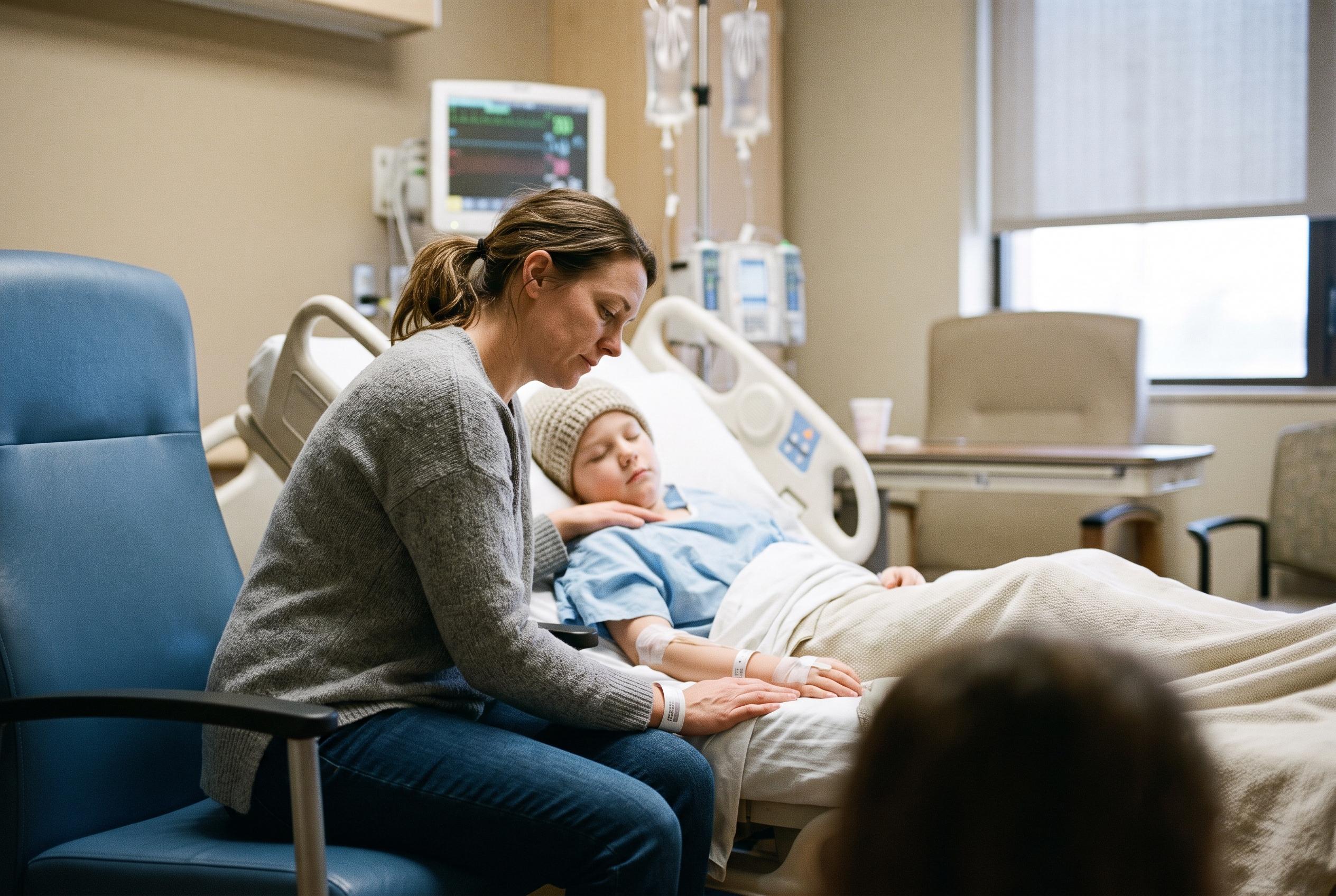

A review of eight trials involving 470 parents found modest reductions in post-traumatic stress and depression symptoms after a child’s PICU admission, but no clear effect on anxiety.
Parents of children admitted to a paediatric intensive care unit often carry emotional strain long after the crisis has passed, and new research suggests that some forms of psychological support can ease that burden, at least modestly. A systematic review and meta-analysis published in Intensive and Critical Care Nursing examined eight randomised controlled trials involving parents and caregivers during the year after a child’s PICU admission. The researchers found small reductions in symptoms linked with post-traumatic stress disorder and depression, although they did not find a clear benefit for anxiety.
The analysis, led by Yujiro Matsuishi and colleagues, drew on studies that tested a range of interventions, including follow-up clinics, psychological screening with referral, telephone-based psychoeducation, palliative care consultations and acceptance and commitment therapy delivered by videoconference. According to the paper, the overall effect sizes were modest, with the strongest signal seen in post-traumatic stress symptoms and a smaller effect on depressive symptoms. The researchers said the results should be treated cautiously because the evidence base remains limited and several of the trials were small.
That caution is important, because earlier reviews have reached similar conclusions about the weakness of the evidence. A review indexed in PubMed in 2018 found that several approaches had been tried, including follow-up appointments, telephone calls, educational materials and post-admission interviews, but that no single intervention yet has strong proof on its own. The authors of that review suggested that even a simple information leaflet may help by alerting parents to potential problems and pointing them towards support.
Small pilot work has also hinted that psychoeducation can be useful. A feasibility trial published on PubMed tested a supported psychoeducational tool given after discharge from the PICU, together with a follow-up telephone call. Parents who received the intervention tended to report lower post-traumatic stress symptoms, and their children showed fewer emotional and behavioural difficulties than those receiving usual care, though the study was not large enough to settle the question. Taken together, these findings point to promise, but not yet to a single proven model of care.
The latest review adds weight to calls for a stepped approach in which families are offered broad psychoeducation and then screened so that those with greater need can be referred for specialist mental health support. Researchers at the University of Tsukuba, who also reported on the meta-analysis, said the review covered eight trials involving 470 parents and caregivers and found modest benefits for PTSD and depression, but not for anxiety. Separate scoping work has highlighted how few targeted interventions exist for families at highest risk, even as programmes such as COPE have shown potential to reduce parental stress and improve coping. The broader message is that psychological support for families in intensive care may help, but more large, well-designed studies are needed to identify which parents benefit most, which interventions work best and when support should be delivered.
Disclaimer: This content is for informational purposes only and is not intended to be a substitute for professional medical judgment, advice, diagnosis, or treatment.



