

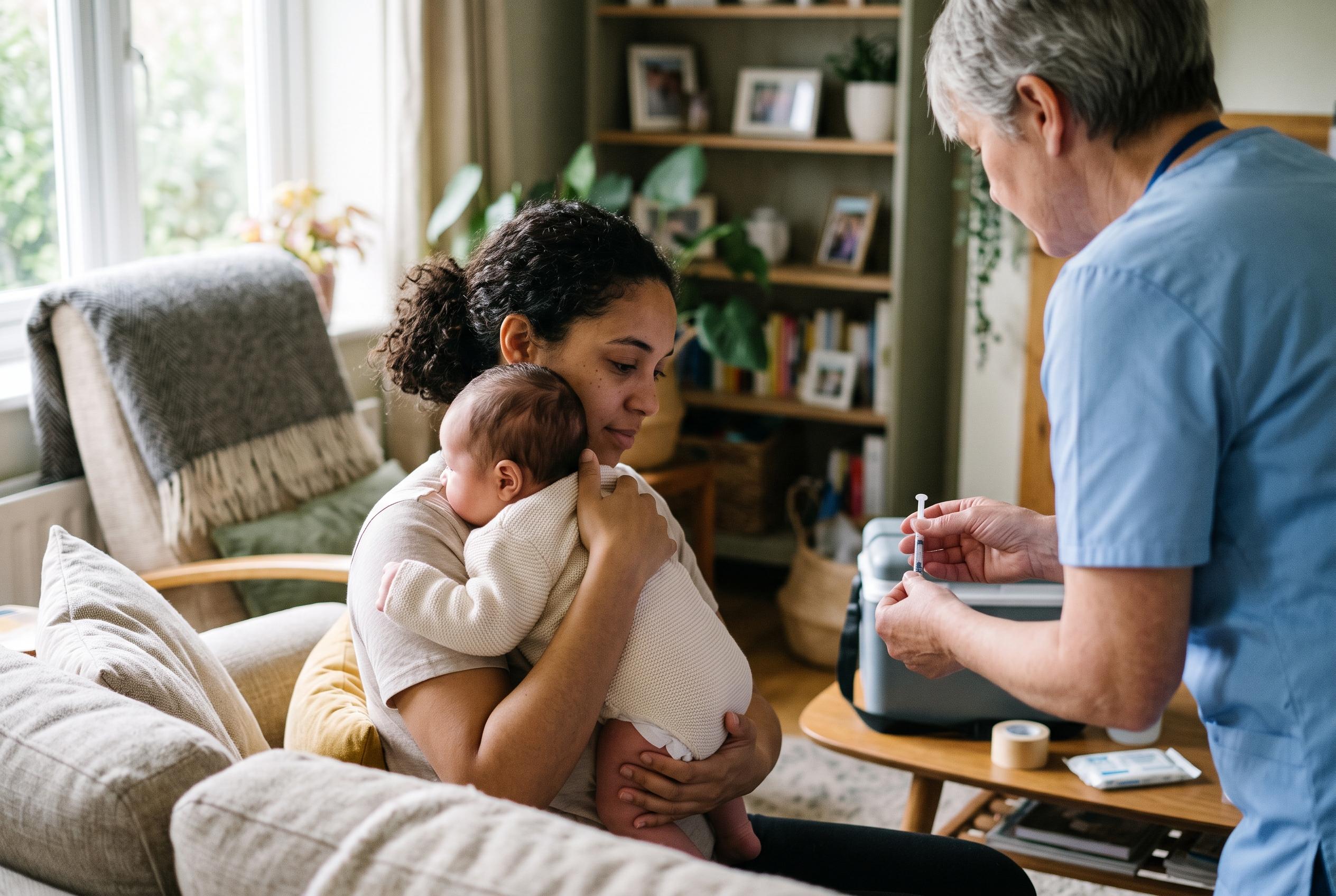

A modelling study warns that postponing newborn hepatitis B vaccination could sharply increase chronic infections and leave millions susceptible, highlighting the importance of birth-dose immunisation and maternal screening.
A new modelling study suggests that even modest delays in hepatitis B vaccination could leave millions of children and young adults exposed to infection, underscoring why public-health experts continue to stress immunisation at birth. Published in the Annals of Internal Medicine, the analysis examined U.S. vaccination scenarios, but its implications reach well beyond one country, particularly where screening in pregnancy and access to preventive care remain inconsistent.
Using a hypothetical cohort of 3.6 million babies born in the United States in 2026, the researchers projected outcomes over the first 20 years of life. They found that postponing the first dose until two months of age could raise chronic infections by 19 per cent. A more fragmented approach, in which parents and clinicians decide individually whether and when to vaccinate, could increase infections by 83 per cent compared with universal vaccination at birth. Under that scenario, the model estimated that as many as 1.8 million young adults could still be susceptible to hepatitis B, versus 232,000 if every newborn received the vaccine immediately after birth.
The World Health Organisation says hepatitis B is a liver infection that can be passed through infected blood and other bodily fluids, including from mother to baby during delivery. It estimates that 240 million people were living with chronic hepatitis B in 2024, with about 0.9 million new infections and 1.1 million deaths, mostly from cirrhosis and liver cancer. The agency also says infants who acquire the virus are far more likely to develop lifelong infection than adults, with roughly 90 per cent of infected infants going on to chronic disease.
That is why the WHO recommends that all babies receive a hepatitis B vaccine as soon as possible after birth, ideally within 24 hours, followed by the remaining doses needed to complete the course. The organisation says a full series protects more than 95 per cent of infants, children and young adults. It also advises screening pregnant women and, where needed, giving preventive antiviral treatment to those with high levels of the virus, because stopping transmission during pregnancy and childbirth is critical to reducing the long-term burden of disease.
In Kenya, hepatitis B protection is delivered through the pentavalent vaccine, which is given at six, 10 and 14 weeks and also guards against diphtheria, tetanus, pertussis and Haemophilus influenzae type b. That schedule differs from the WHO’s birth-dose recommendation, leaving prevention dependent on strong maternal screening, timely identification of infected mothers and consistent follow-up. Public-health experts say broader progress will also depend on safe blood transfusions, sterile injection practices, infection control in health facilities and vaccination of people most at risk, as countries work towards the WHO goal of eliminating viral hepatitis as a public-health threat by 2030.
Disclaimer: This content is for informational purposes only and is not intended to be a substitute for professional medical judgment, advice, diagnosis, or treatment.



