

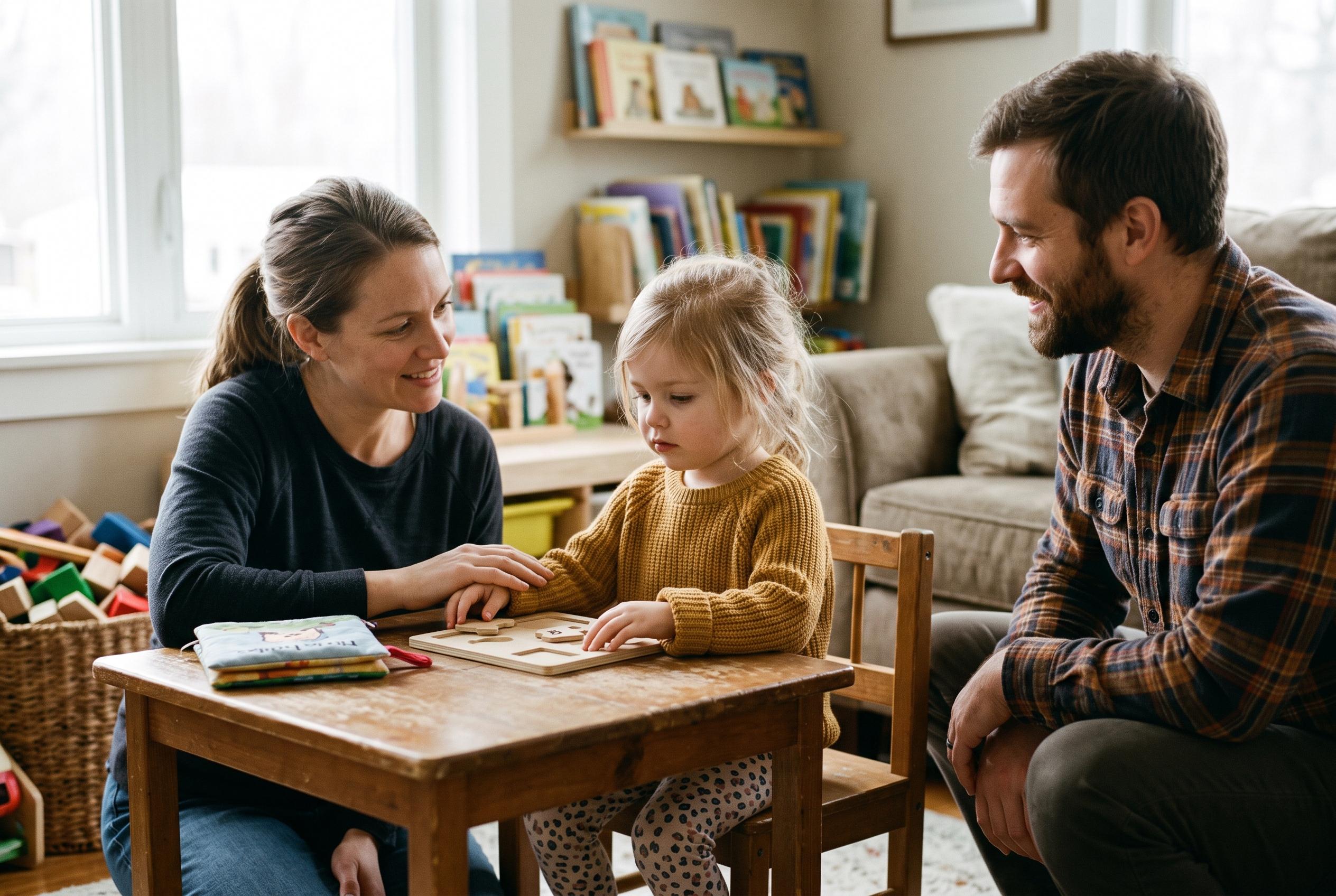

Children may be born with distinctive ways of responding to the world, but responsive parenting and a supportive environment can shape how those traits develop.
Temperament is often visible before a child can speak for themselves: one baby settles easily, another takes longer to adapt, and a third reacts intensely to any change in routine. In its article on temperament, Psychologs describes these early differences as a blend of inborn tendencies and developing responses to the world, shaping the way children meet new people, places and demands. The piece argues that temperament is not a fixed verdict on a child’s future, but an important starting point in understanding behaviour.
The article draws on the work of researchers Stella Chess and Alexander Thomas, who identified nine dimensions that help explain temperament in children: activity level, rhythmicity, adaptation, approach or withdrawal, threshold of response, intensity of reaction, quality of mood, distractibility, and attention span and persistence. Together, these traits capture how active a child is, how predictable their routines may be, how easily they adjust to change, and how strongly they react when stimulated. Psychologs says the pattern is multi-dimensional, which is why no single label can fully describe a child’s character.
From there, the article makes a broader point familiar to developmental psychologists: temperament may be present from birth, but personality is built over time. Psychology Today has similarly argued that the traits children bring into the world interact with the environments around them, rather than determining outcomes on their own. Psychologs adds that genetics matters, yet it is only part of the picture. Parenting, discipline, attachment and the emotional climate of the home also shape how a child’s natural style develops.
That is why the role of caregivers is presented as so important. Psychologs highlights attunement, meaning the ability to respond in a way that shows a child they are understood, rather than merely managed. It also points to Diana Baumrind’s widely discussed parenting styles, noting that authoritative parenting, which combines warmth with clear boundaries, is often seen as the most supportive approach. The article cites John Bowlby’s idea of the caregiver as a secure base, helping children explore with confidence because they know comfort and protection are available when needed.
A central idea running through the piece is the “goodness of fit” between a child’s temperament and their environment. Chess and Thomas argued that temperament itself is neither good nor bad; what matters is whether expectations, routines and responses match the child’s natural style. Psychologs says parents do not need to reshape a child into someone else, only to adapt their approach so strengths are supported and difficulties are not made worse. The article closes by stressing that early childhood is a period of rapid brain development, making those early relationships and routines especially influential. The message is reassuring rather than deterministic: temperament may open the story, but it does not write the ending.
Disclaimer: This content is for informational purposes only and is not intended to be a substitute for professional medical judgment, advice, diagnosis, or treatment.



