

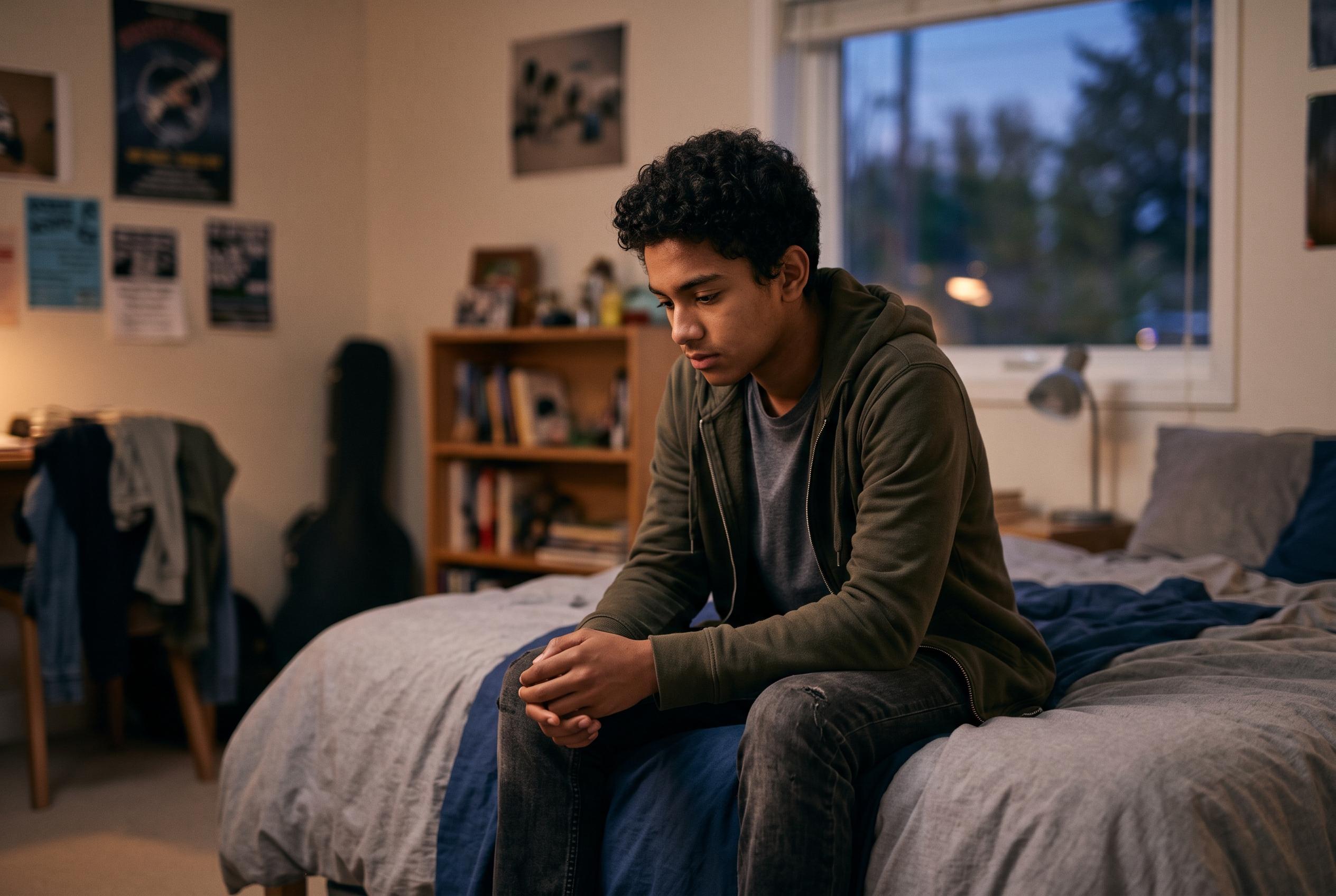

Long-running Taiwanese studies suggest family dysfunction, bullying and other early hardships can affect children’s sleep and increase boys’ risk of aggression in late adolescence.
Researchers at National Taiwan University say childhood adversity may shape how well children sleep and how likely boys are to show aggressive behaviour later in adolescence, adding to evidence that early family life can have lasting effects on health and development.
The work, led by associate professor Zhang Ling-yin of the university’s College of Public Health, drew on two long-running studies from Taiwan’s birth cohort. One analysis followed 16,666 children from six months to age 12 and examined how adverse childhood experiences, including family dysfunction and peer bullying, related to sleep. A second tracked 7,800 adolescents into ages 17 and 18 to assess whether family dysfunction in childhood was linked to later aggression.
According to the study published in Academic Pediatrics, adversity was associated with shorter sleep, with the pattern especially clear among boys and children aged three to eight. The researchers also found that resilience was generally linked with longer sleep, but that protective effect weakened when children were exposed to adversity. Zhang said that strengthening children’s resilience alone is not enough if the environment remains harmful, arguing that support for caregivers’ mental health and efforts to prevent bullying are also needed.
The second study, published in European Child & Adolescent Psychiatry, found that boys who experienced household dysfunction at around age five and a half, as well as those exposed to such adversity across multiple stages of childhood, were more likely to show aggression in late adolescence. Depressive symptoms at age 12 appeared to explain part of the relationship, accounting for roughly a fifth to a third of the effect. The researchers said this suggests that when a child becomes aggressive, adults should look not only at the behaviour itself but also at emotional distress and family strain.
The findings build on earlier research showing that sleep and behaviour can be intertwined in adolescence. A separate longitudinal study indexed in PubMed found a two-way link between poor sleep quality and aggressive behaviour, although shorter sleep duration alone did not predict aggression. Other Taiwanese studies have also connected childhood adversity with later depressive symptoms and risky behaviour, reinforcing the view that early stress can influence health and conduct across childhood and adolescence.
The team recommends paying attention to sleep and home circumstances from the preschool years through primary school, and incorporating emotional and behavioural screening into child health services. They also urge schools, health workers and social services to use trauma-informed approaches, which aim to understand behaviour in the context of past hardship rather than treating it in isolation.
Disclaimer: This content is for informational purposes only and is not intended to be a substitute for professional medical judgment, advice, diagnosis, or treatment.



