

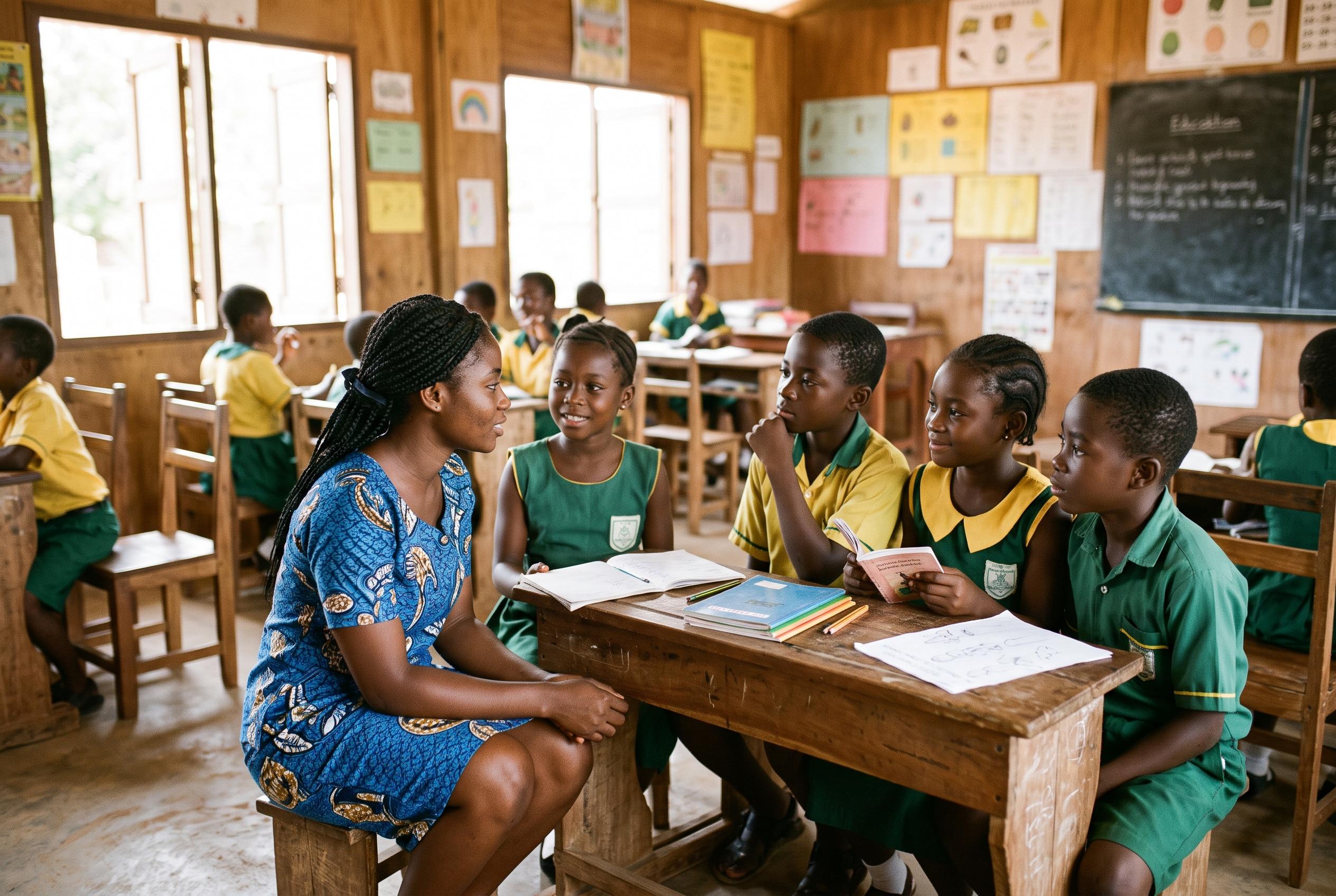

Evidence from across Africa suggests brief, locally adapted programmes delivered by trained non-specialists can reduce anxiety and depression, but schools need coordinated referral systems and support beyond the classroom.
Schools are often the first place where mental health problems become visible, as children and adolescents may begin missing lessons, withdrawing from friends or struggling to keep up academically. A review led by the African Population and Health Research Center says that this makes schools a strategic entry point for support, particularly in Africa, where specialist mental health services remain scarce and children face a concentration of social, economic, health and humanitarian risks.
The case for action is strengthened by the region’s demographics. In 2024, children under 18 accounted for 46% of Africa’s population, according to the review. That makes school systems one of the few existing structures capable of reaching large numbers of young people early, before difficulties harden into more serious and costly problems.
The research team, working under the Education and Youth Empowerment programme, screened 1,759 records and identified 122 studies that met its criteria. Its findings suggest that short, structured programmes teaching coping, emotional regulation and problem-solving can reduce symptoms of depression and anxiety when delivered by trained non-specialists. Evidence from low- and middle-income countries published in Frontiers in Psychiatry also indicates that school-based interventions can help with depression, anxiety and post-traumatic stress disorder, provided they are adapted to local contexts and delivered through workable school systems.
One of the most encouraging examples highlighted in the African review is Shamiri, a four-week group programme tested in Kenyan secondary schools. In that trial, 413 adolescents met in small groups for weekly sessions led by trained lay facilitators, and those taking part showed larger reductions in depression and anxiety than students in a study-skills programme. The gains were still visible seven months later, suggesting that relatively brief interventions can have lasting value when they are carefully designed and supervised.
At the same time, the evidence warns against treating counselling as a complete solution. Counselling can give learners a confidential space to discuss grief, anxiety or family stress, but it usually responds after distress has already emerged. The broader pressures affecting children’s mental health , bullying, violence, poverty, unstable homes and unsafe schools , cannot be fixed by one-to-one support alone. A separate evidence gap map from UNICEF Innocenti found that much of the global research still leans towards reactive responses rather than prevention and promotion, with major gaps in West and Central Africa and in humanitarian settings.
Teachers can play an important role, but the review argues that their remit must be tightly defined. They can help create safer classrooms, spot signs of distress, reduce stigma and guide children towards help, yet they should not be expected to diagnose conditions or act as replacement psychologists. Research from low- and middle-income countries suggests that task-sharing works best when non-specialists are properly trained, supervised and connected to clear referral pathways, while also being protected by confidentiality and safeguarding procedures.
The review also shows that schools cannot carry the burden alone. Families, community actors, health services and child-protection systems all need to be part of the response, especially when children first confide in non-teaching staff or parents must follow through on referrals. The authors note that implementation depends heavily on leadership, financing, cultural fit and coordination across sectors. Their conclusion is plain: schools need mental health systems, not isolated services such as counselling rooms, one-off workshops or guidance teachers left to cope on their own.
Disclaimer: This content is for informational purposes only and is not intended to be a substitute for professional medical judgment, advice, diagnosis, or treatment.



