

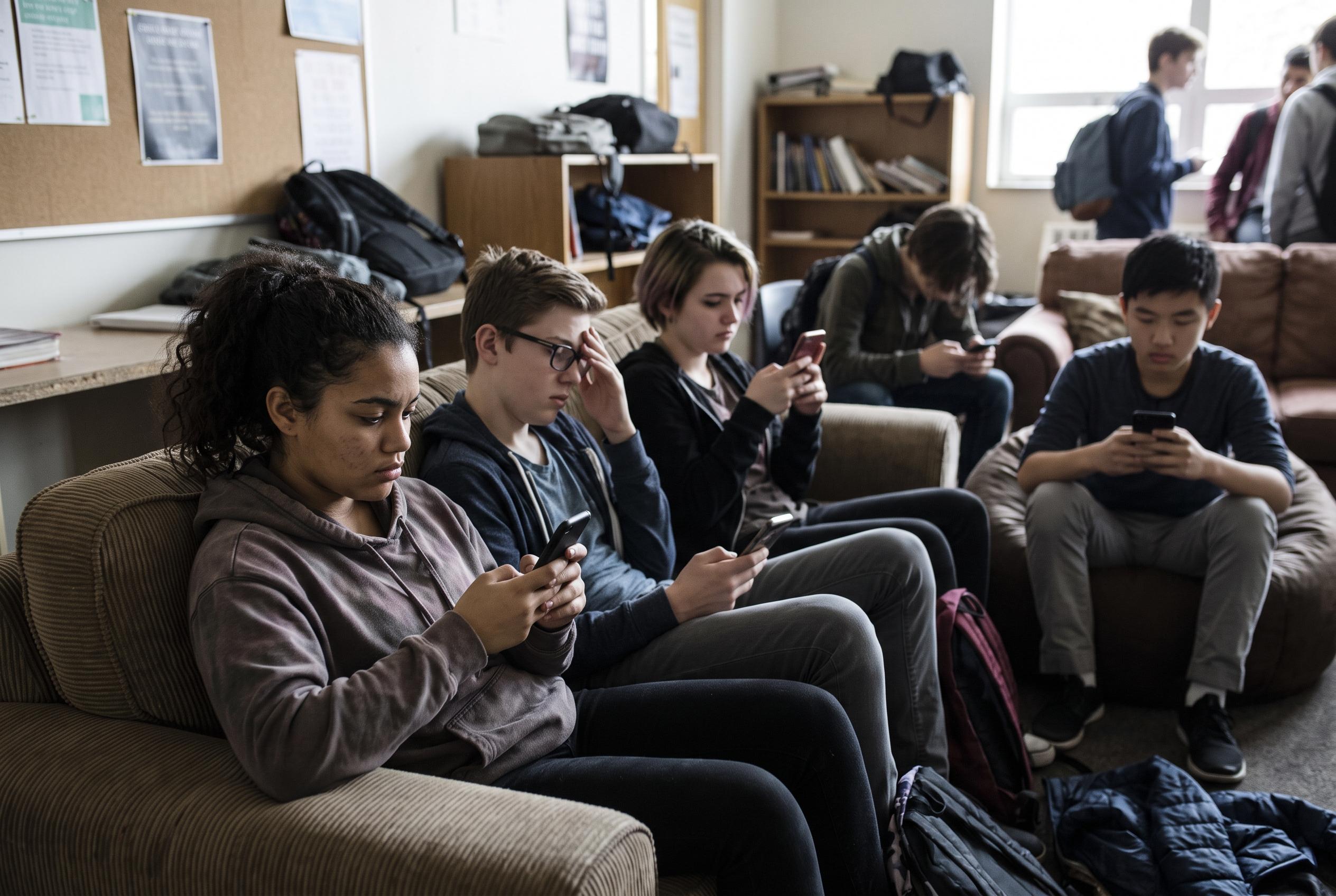

University of Iowa research suggests addiction-like patterns of social media use may be more closely linked to depression and anxiety in teenagers than time spent online alone.
A University of Iowa researcher is arguing that the question is not simply how long teenagers spend on social media, but how they use it. Jonathan Platt, an assistant professor of epidemiology in the College of Public Health, has examined evidence linking social media use with youth mental health and says the greatest concern lies in addiction-like behaviour rather than screen time alone. His view echoes a broader debate in public health, where officials have warned that social media can carry both benefits and risks for adolescents. According to the U.S. Surgeon General, nearly 95% of people aged 13 to 17 use social media, and heavy use has been associated with a higher risk of depression and anxiety.
Platt’s team reviewed about 80 studies and found that many of the clearest harms were tied to compulsive patterns of use, such as difficulty stopping or choosing social media over sleep, schoolwork or other activities. In that review, the most concerning associations were with depression and anxiety, particularly when young people used platforms in ways that resembled dependency. He has said adolescents are especially vulnerable because their brains are still developing, which can make it harder to process what they see online without turning it inward. That nuance matters, because not every form of social media use appears equally harmful, and some studies have found neutral or even positive effects.
The broader federal guidance supports that more measured view. The Surgeon General’s 2023 advisory said social media can offer connection and support, but also warned about exposure to harmful content and excessive use. It said children and adolescents who spend more than three hours a day on social media face roughly twice the risk of mental health problems, including depression and anxiety. Other research has also pointed to the danger of addictive screen habits: a study published in JAMA found that a substantial share of adolescents showed increasing addictive social media use over time, and those patterns were linked with worse mental health and suicidal thoughts.
At the University of Iowa, Thomas Bobbitt, an assistant professor of instruction in the School of Journalism and Mass Communication, said understanding how platforms work can help people navigate them more safely. UI Counseling Services has offered similar advice, telling students to pay attention to mood changes during and after scrolling, since comparison can leave users feeling inadequate or dissatisfied. The service also recommends practical steps such as turning off notifications, setting app limits and watching for signs that social media is interfering with sleep or other daily needs.
Platt, however, argues that personal discipline alone is not enough. He says the design of major platforms can make it difficult for users to simply step away, and that meaningful change may need to come from companies and regulators rather than from teenagers and families alone. He is now seeking funding for a new study that would examine social media use across Iowa, part of a wider effort to understand which patterns of behaviour are most harmful and which safeguards might help. For Platt, the central point is that social media is not fixed; it can be redesigned, and its risks can be reduced.
Disclaimer: This content is for informational purposes only and is not intended to be a substitute for professional medical judgment, advice, diagnosis, or treatment.



