

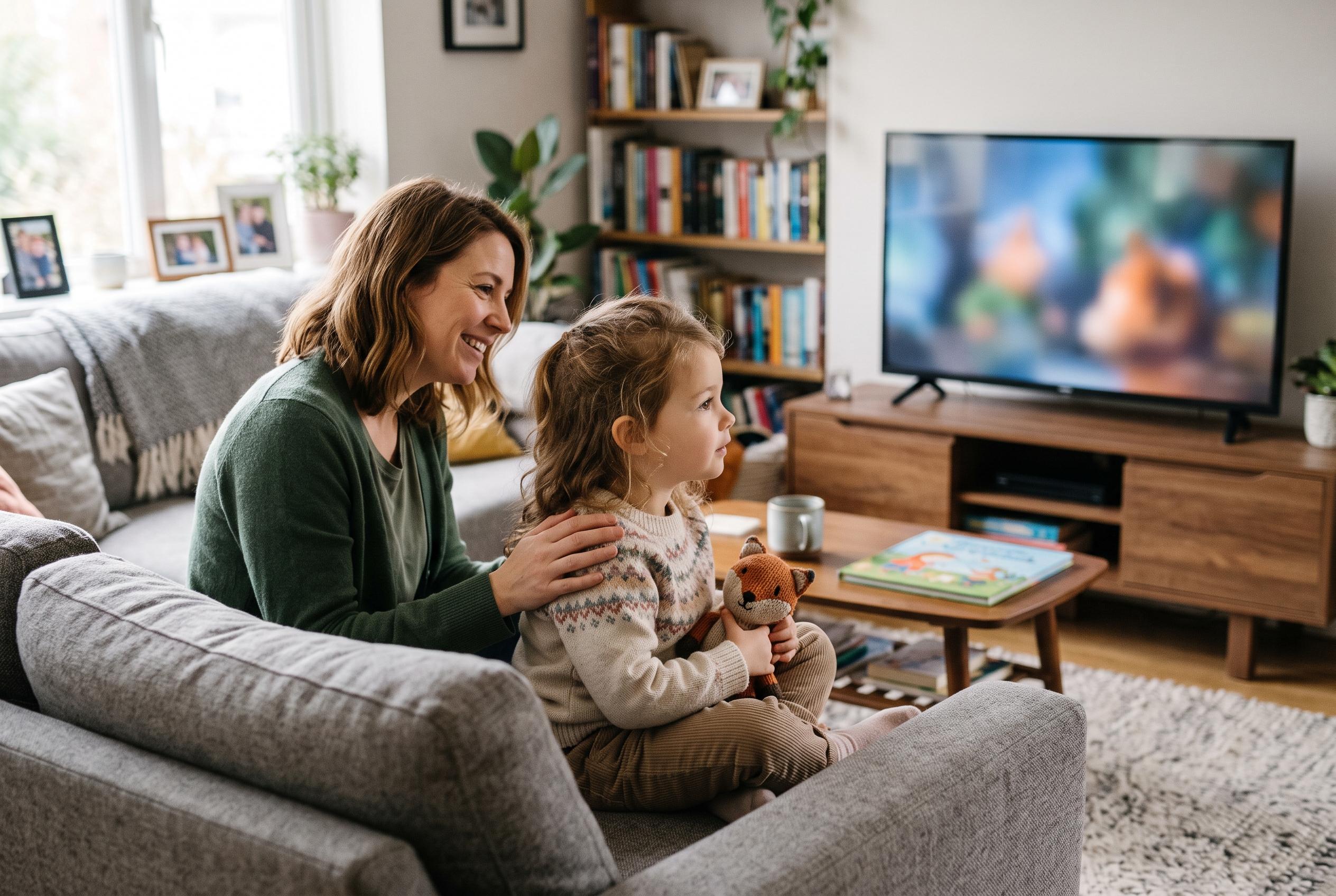

A University of Georgia review finds that screen time’s effects on young children depend on content, age and adult involvement, challenging one-size-fits-all limits.
A new review from the University of Georgia suggests that screen time is not simply a matter of too much or too little for young children. Instead, the researchers found that outcomes depend on what children are watching, how old they are and whether an adult is engaged with them while they watch. The paper, published in the Journal of Evidence-Based Social Work, examined 30 studies focused on children in low-income families, a group the authors say may face particular challenges in balancing media use with other developmental needs.
The review points to a more nuanced picture than the familiar warning that all screen time is harmful. According to the study, some programmes may support learning and social development. Educational shows such as “Sesame Street”, “Between the Lions” and “SuperWhy!” were associated with stronger letter and sound recognition in some preschool children, while “Daniel Tiger” was linked with gains in social skills. By contrast, the researchers said violent content may encourage aggressive behaviour, highlighting the importance of the type of material children consume.
Age also matters. The review found that heavier screen use among infants and toddlers was associated with poorer language development, smaller vocabularies and other learning concerns. That fits with what child-development specialists have long argued: very young children learn most through play, exploration and direct human interaction. For older preschoolers, however, age-appropriate programmes may offer more value, especially when adults help children interpret what they see.
The researchers also say the amount of screen exposure can crowd out other healthy activities, including reading, family time and outdoor play. Evening viewing was linked with sleep problems, adding to concerns about media use late in the day. Minal Manisha, the University of Georgia researcher who led the review, said co-viewing can make a difference, not by turning every programme into a lesson, but by encouraging conversation. As Manisha put it, “We need to be aware of what our children are actually watching.” The review notes that this approach may be especially relevant now, as portable devices and algorithm-driven feeds make it easier for children to move from one piece of content to the next without much adult oversight.
The findings also underline the limits of one-size-fits-all screen rules. Families in lower-income households may rely on screens for different reasons, including work schedules, childcare gaps and fewer opportunities for recreation, and the study suggests that guidance should reflect those realities. Rather than treating all media as equal, the researchers argue that parents and caregivers should pay attention to content, context and conversation, using screen time more deliberately and less passively.
Disclaimer: This content is for informational purposes only and is not intended to be a substitute for professional medical judgment, advice, diagnosis, or treatment.



