

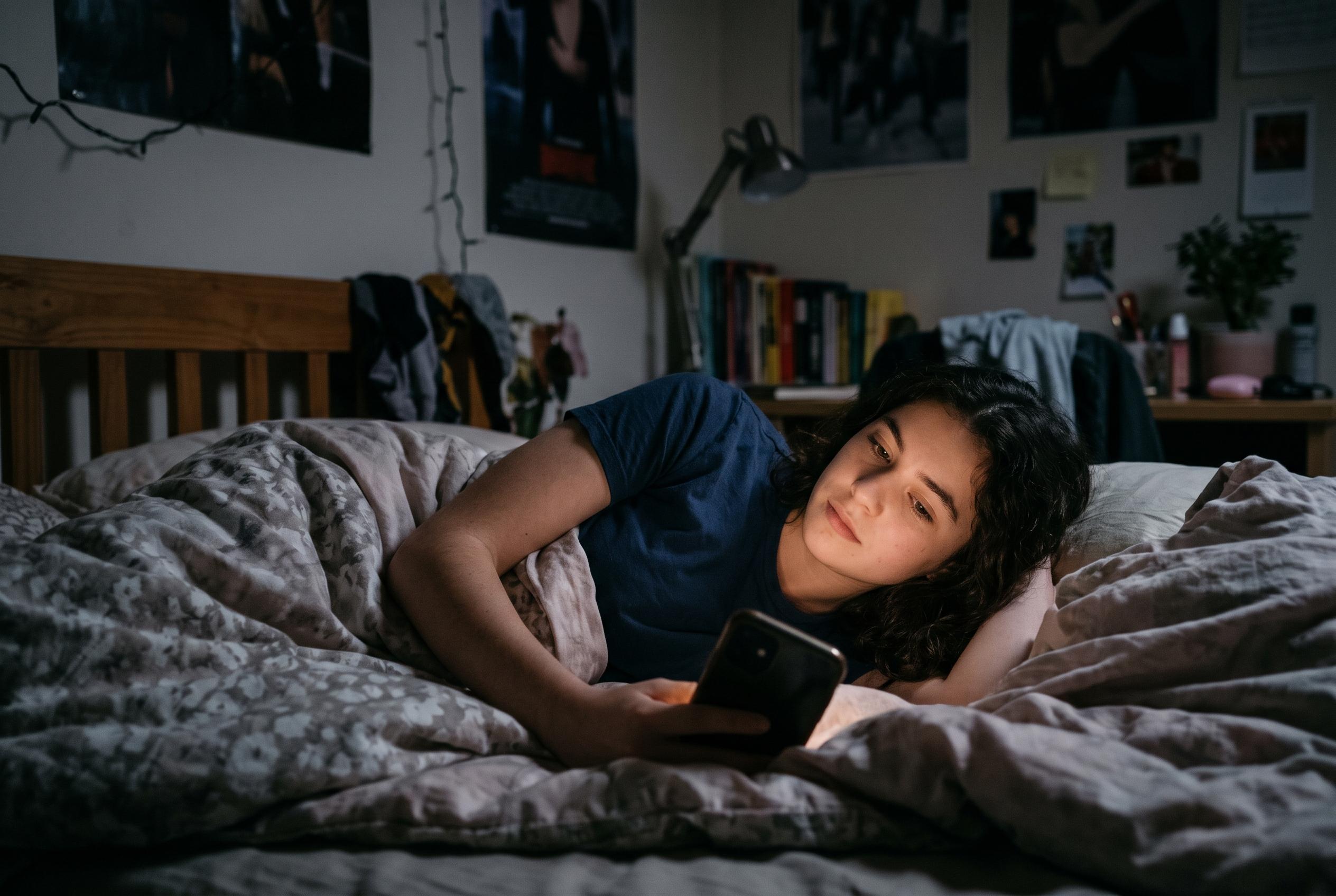

Smartphone tracking and Fitbit data suggest late-night use is delaying teenagers’ bedtimes and cutting their sleep, with social media dominating the crucial minutes before bed.
Teenagers need more sleep than most adults, yet many are heading into the school day short on rest, and a major reason is playing out in bedrooms across the country: the phone. Sleep experts say adolescents typically need about eight to 10 hours a night, with some specialists recommending close to nine to 9.5 hours to support brain development, physical growth and emotional health. When sleep slips away night after night, the effects can include worse mood, more stress, lower motivation and weaker decision-making, according to clinicians cited by Johns Hopkins Medicine and sleep specialists quoted by The Post.
New research adds sharper evidence to what parents already suspect. A study discussed by Psychiatric Times and reported from New York researchers used smartphone tracking and Fitbit data rather than relying only on teens’ memories. It found that late-night phone use was tied to later bedtimes and shorter sleep. For every additional 30 minutes on a phone after 10 p.m., teens fell asleep 26 minutes later, woke 11 minutes later and logged 12.9 fewer minutes of sleep than usual.
The problem was not limited to general screen time. According to the new findings, use in the five minutes before sleep was especially disruptive, with each extra minute on the phone linked to roughly a minute more awake time after falling asleep. Social media accounted for most of the activity, with TikTok, YouTube and Snapchat dominating the pre-bed period. The Sleep Foundation says that evening screen use can delay melatonin, the hormone that helps regulate sleep, while notifications, bright light and interactive content can keep the brain in an alert state when it should be powering down.
The takeaway for families is not simply to confiscate devices, but to make evenings less stimulating. Sleep specialists advise setting a screen curfew, keeping phones out of the bedroom when possible and replacing scrolling with quieter routines such as reading, stretching, music or relaxation exercises. Johns Hopkins also recommends steady sleep schedules, less evening caffeine and healthy modelling by parents. In other words, the goal is not punishment but consistency: helping teenagers build habits that make it easier to get the sleep their bodies and brains still need.
Disclaimer: This content is for informational purposes only and is not intended to be a substitute for professional medical judgment, advice, diagnosis, or treatment.



