


A University of Georgia review of 30 studies finds that content, a child’s age and parental co-viewing can shape whether screen use supports learning or displaces play, sleep and interaction.
A new review from the University of Georgia suggests that the question of screen time for young children is not simply how long they spend looking at a device, but what they are watching, how old they are and whether an adult is helping them make sense of it.
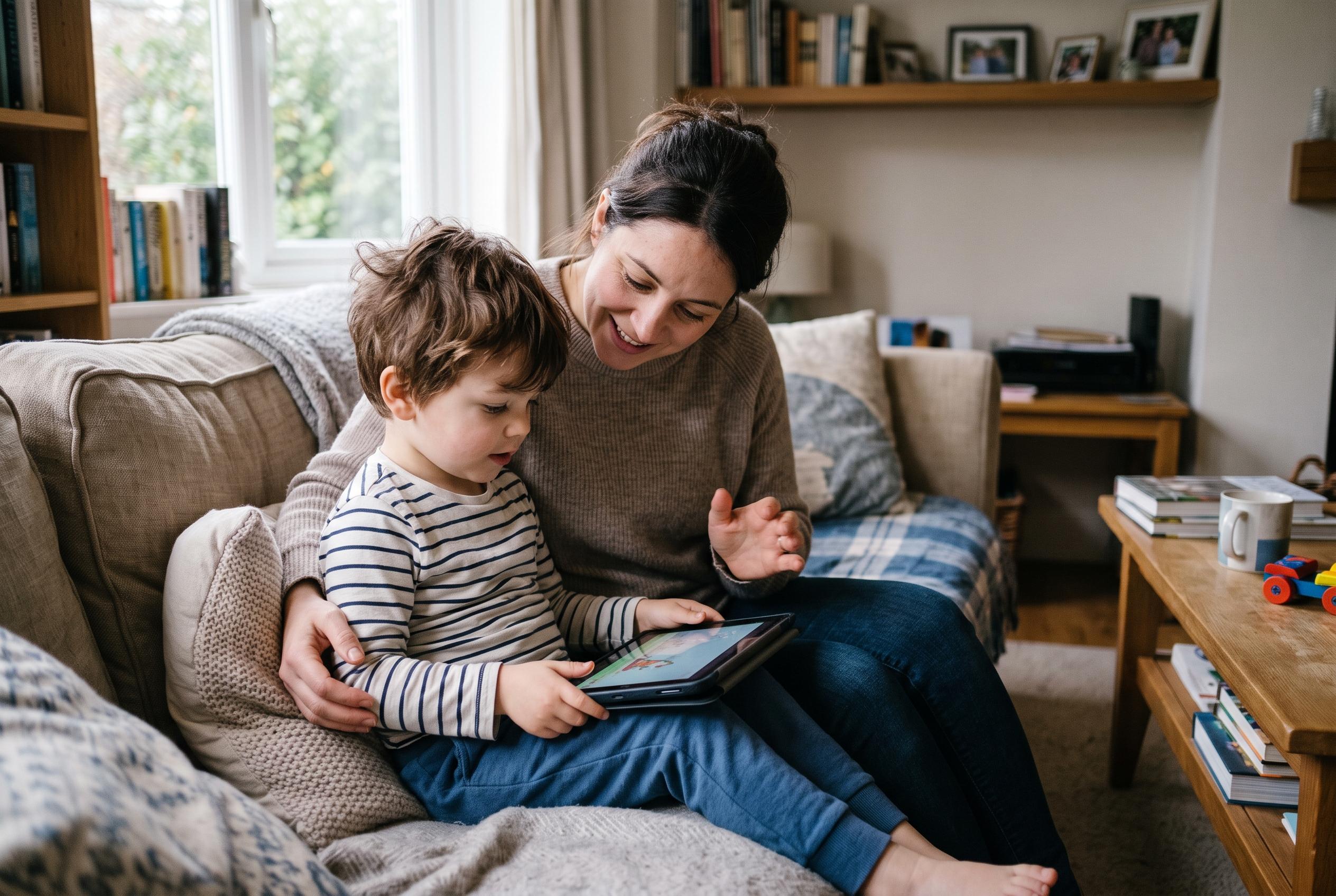
The review, which examined 30 studies, found that co-viewing, where parents watch and discuss media with their children, can help turn screen use into a more meaningful experience. The researchers said that some content, particularly programmes designed for young audiences, can support learning and social development rather than undermine it.
Minal Manisha, who led the study, said some shows can reinforce positive behaviour while violent content may encourage aggression. The review pointed to programmes such as “Daniel Tiger”, which was linked with social skills, and shows including “Sesame Street”, “Between the Lions” and “SuperWhy!”, which were associated in some preschoolers with better recognition of letters and sounds.
The findings also suggest that duration still matters. Heavy screen use can crowd out reading, outdoor play and family time, and evening viewing has been associated with sleep problems. For infants and toddlers in particular, the review linked greater screen exposure with weaker language development, smaller vocabularies and other learning concerns, reinforcing the view that very young children learn best through play, exploration and direct human interaction.
That distinction becomes more important as children get older. The researchers noted that what may be suitable for a 5-year-old is not necessarily appropriate for a toddler, and that age-appropriate programming can have different effects depending on a child’s stage of development. In families under pressure, especially lower-income households, screens may also play a larger role because of work schedules, childcare challenges and limited access to recreation, which helps explain why the study focused on those families.
The review also reflects how much children’s media habits have changed. Much of the underlying research looked at television, but today’s devices are portable, personalised and driven by recommendation systems that can keep serving up new content. Against that backdrop, the study argues for simple, practical parental involvement: watch together when possible, answer questions and talk afterwards about what the child has seen. HealthyChildren.org, which offers parenting guidance on media use, says co-viewing can help children understand messages on screen and strengthen family bonds. The University of Georgia researchers said the aim is not to ban media altogether, but to build healthier habits around it as technology continues to evolve.
Disclaimer: This content is for informational purposes only and is not intended to be a substitute for professional medical judgment, advice, diagnosis, or treatment.



