

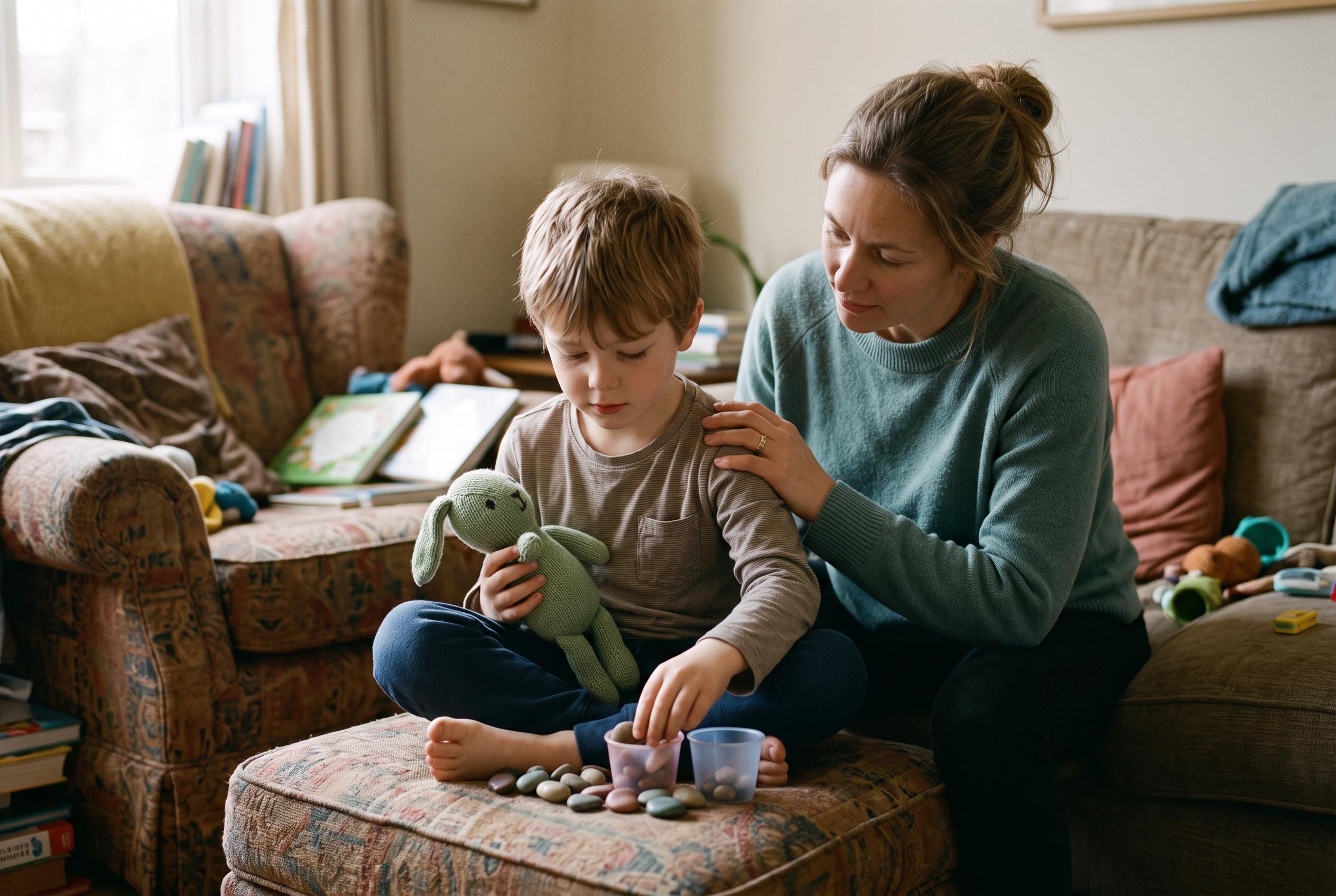

Interviews with autistic children and parents suggest anxiety is woven into daily routines, relationships and feelings of safety, highlighting the need for trusted, autism-aware support.
Anxiety can shape daily life for autistic children in ways that are often hard for others to see, according to a new study in Autism led by researchers including Tasha Cullingham and Michael Larkin at the University of Kent. Drawing on interviews with nine autistic children and 10 parents, the team found that anxiety was not simply an occasional difficulty but something that could colour routines, relationships and children’s sense of safety. The findings suggest that support for autistic children works best when it is built around trust, understanding and the realities of family life. According to the researchers, the study was co-developed with an Expert Reference Group and people with lived experience of autism and parenting, with the aim of informing autism-specific interventions.
The study identified five overlapping themes that capture how anxiety is experienced at home and in everyday settings. Children and parents described the effort of coping with anxiety that never seems far away, the sense of being close to a tipping point, and the feeling that families are often left to manage alone. They also stressed that being understood by others can make the difference between distress and safety, while learning to navigate anxiety can become a long process for both children and caregivers. The researchers said these themes point to the emotional strain placed on families, but also to practical opportunities for support that are more tailored to autistic children’s needs.
One of the clearest messages from the paper is that relationships matter. The authors say anxiety support may be more effective when it is delivered through a trusted adult who already has an established bond with the child. They also highlight the possible interaction between sensory sensitivities and environmental stressors, which can intensify anxiety in ways that standard services may miss. Another important conclusion is that families often have to strike a difficult balance: helping a child function in a neurotypical world while also changing the environment so it fits the child better.
That emphasis on adaptation fits with wider research into autism-specific anxiety support. A pilot randomised controlled trial published in Journal of Autism and Developmental Disorders found that a parent-mediated programme called CLK-CUES was linked with lower anxiety in autistic preschoolers, especially around uncertainty, and the benefit lasted to 12 months in follow-up assessments. In another study, caregivers who watched autism perspective-taking videos from the National Autistic Society reported reduced psychological distress and greater cognitive empathy, suggesting that helping adults understand a child’s perspective may ease pressure on the wider family. Researchers in Manchester have also described the co-production of a neurodiversity-affirmative anxiety intervention, reinforcing the idea that autistic people, parents, clinicians and academics need to shape these programmes together if they are to be relevant in real life.
The Kent team’s work adds to a growing body of evidence that early, autism-aware intervention should not focus only on symptoms. It should also address the environments in which children live and learn, and the adults they rely on most. Other trials are now testing adapted cognitive behavioural therapy, including school-based approaches and the DINO trial for younger children, underlining how active this field has become. For families, the message is practical as well as clinical: anxiety in autistic children is not only about what happens inside the child, but also about whether the surrounding world is prepared to respond in a calmer, more flexible and more informed way.
Disclaimer: This content is for informational purposes only and is not intended to be a substitute for professional medical judgment, advice, diagnosis, or treatment.



