

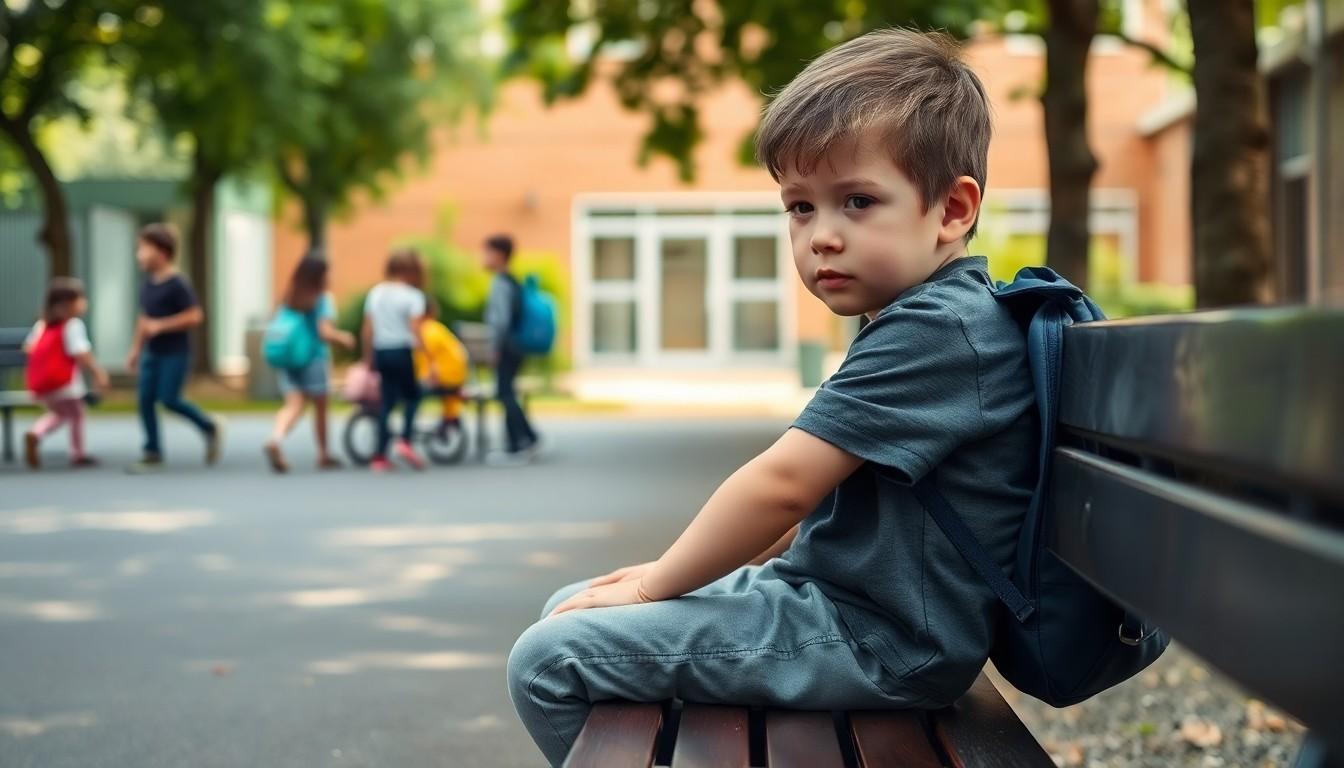

Unexplained injuries, school-morning illness and withdrawal from favourite activities can be among the subtle signs that a child is experiencing bullying.
Bullying remains a widespread problem for young people, and it is often harder to spot than parents expect. StopBullying.gov says about one in five students aged 12 to 18 experience bullying, with middle school years carrying the highest risk. Because many children do not report what is happening, caregivers may only notice that something is wrong after a pattern of changes has begun to emerge.
The clearest warning signs are often physical. According to StopBullying.gov, unexplained cuts, bruises or scratches can be a clue, as can repeated complaints of headaches, stomach aches or feeling unwell, particularly on school mornings. Children may also come home with missing or damaged belongings, or seem unusually hungry if lunch money or food has been taken.
Emotional and behavioural shifts can be just as revealing. The Children’s Hospital of Philadelphia says bullying can affect self-esteem, school performance and relationships with family and friends. A child who was once sociable may become withdrawn, clingy or defensive, while others may lash out or show sudden changes in routine. Pew Research Centre also found that many parents are highly concerned about bullying, and that online harassment is a major worry for teenagers.
Loss of interest can be another signal. Children who are being bullied may pull back from sports, clubs or other activities they once enjoyed, often because shame or fear starts to override confidence. In the digital age, the problem can follow them beyond school gates: a child who begins avoiding a phone, tablet or computer may be trying to escape cyberbullying. StopBullying.gov notes that bullying can happen in person or online, during or after school hours.
There is no single symptom that proves a child is being bullied, but a cluster of small changes should prompt attention. The U.S. Government Accountability Office has found that about one in five students aged 12 to 18 were bullied in several recent school years, and that a significant share of those cases involved bias linked to race, religion, disability, gender or sexual orientation. A calm, non-judgemental conversation can help children feel safe enough to open up.
Disclaimer: This content is for informational purposes only and is not intended to be a substitute for professional medical judgment, advice, diagnosis, or treatment.



