

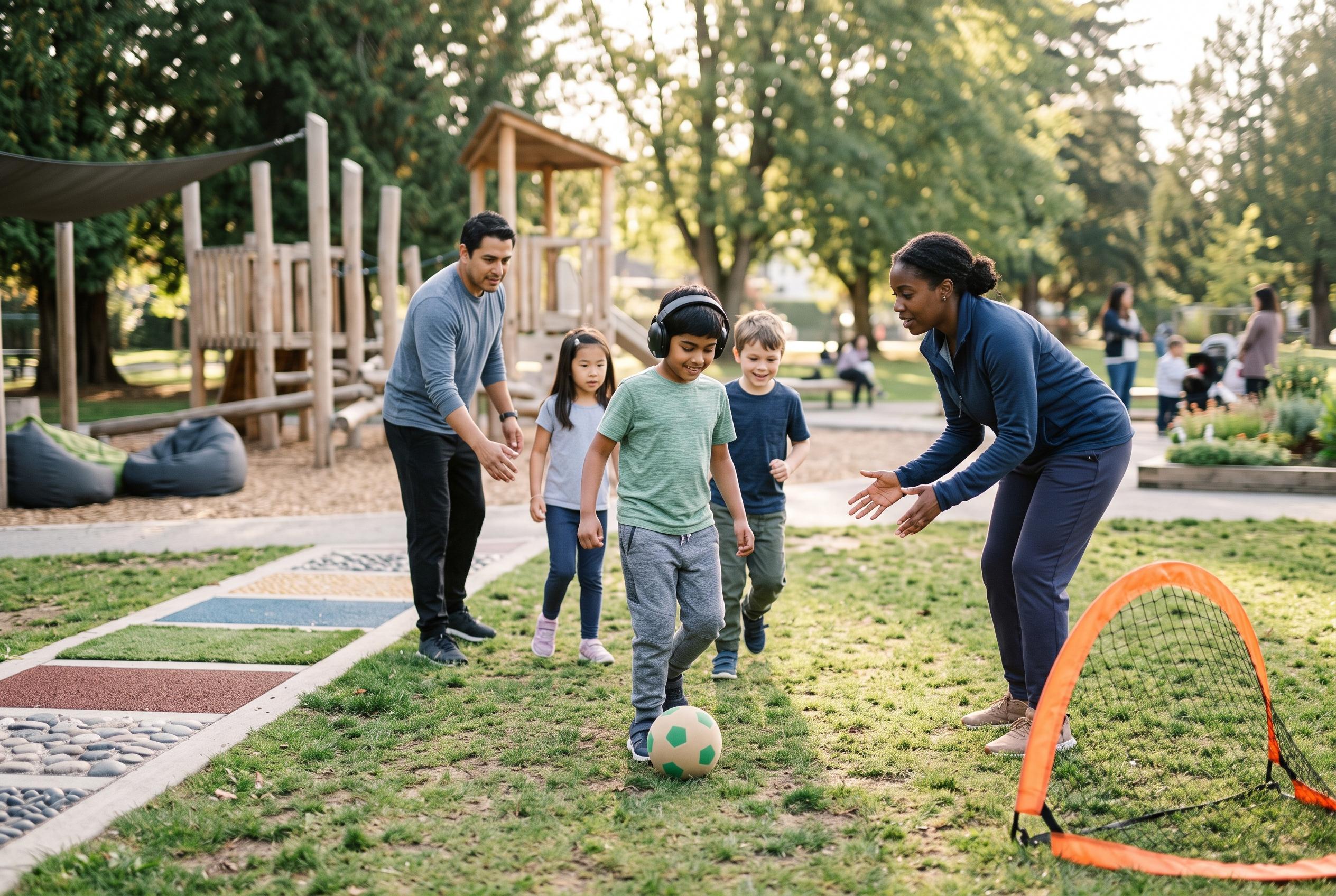

Research and expert guidance suggest that structured, adaptable activities can improve motor skills and confidence for autistic children, but inclusive coaching and sensory-aware environments are crucial.
For many parents, the question is not whether a child with autism can take part in sport,but how to find the right setting. According to ABA Centers of New Jersey, the answer is yes: autistic children can participate in individual, team, recreational and competitive activities when those activities match their interests, abilities and comfort level. The focus, the guide argues, should be less on the label of the sport and more on whether the environment is welcoming, predictable and willing to make reasonable adjustments.
That distinction matters because children on the autism spectrum may experience sport differently from their peers. Communication differences, sensory sensitivities, motor coordination challenges and difficulty coping with sudden change can make some settings harder to navigate. But those traits do not rule out participation. As the ABA Centers of New Jersey guide notes, some children may simply need a better fit, with clearer routines, quieter surroundings or more flexible coaching, rather than being steered away from sport altogether.
Research published in Developmental Medicine & Child Neurology adds weight to that view. A recent analysis of 11 clinical trials found that sports-based interventions can improve motor skills in children with autism spectrum disorder, with martial arts and aquatic training standing out in particular. The study reported gains in balance, coordination and object control, suggesting that structured physical activity can do more than burn energy: it can support practical developmental goals as well.
Other experts also point to the value of activities that offer structure and repetition. Psych Central has highlighted swimming, horseback riding and martial arts as options that may suit autistic children well because they can support coordination while also building confidence and social skills. Similarly, Cadabam’s CDC says individual or highly structured sports such as swimming, martial arts and gymnastics may be especially helpful for children who benefit from clear routines and lower-pressure social demands. The common thread is not the sport itself, but the degree to which it is predictable, skill-based and adaptable.
That is also why inclusion matters so much. ABC News reported on research showing that three in four autistic children want to take part in sport more often, yet many run into avoidable barriers, including sensory overload, communication difficulties and exclusion. Sport Integrity Australia has made a similar point, stressing that coaches, clubs and peers play a major role in shaping whether a child feels safe and supported. For parents and caregivers, the practical takeaway is straightforward: start with the child’s strengths, look for programmes that welcome difference and judge success by enjoyment, confidence and participation as much as by performance.
Disclaimer: This content is for informational purposes only and is not intended to be a substitute for professional medical judgment, advice, diagnosis, or treatment.



