

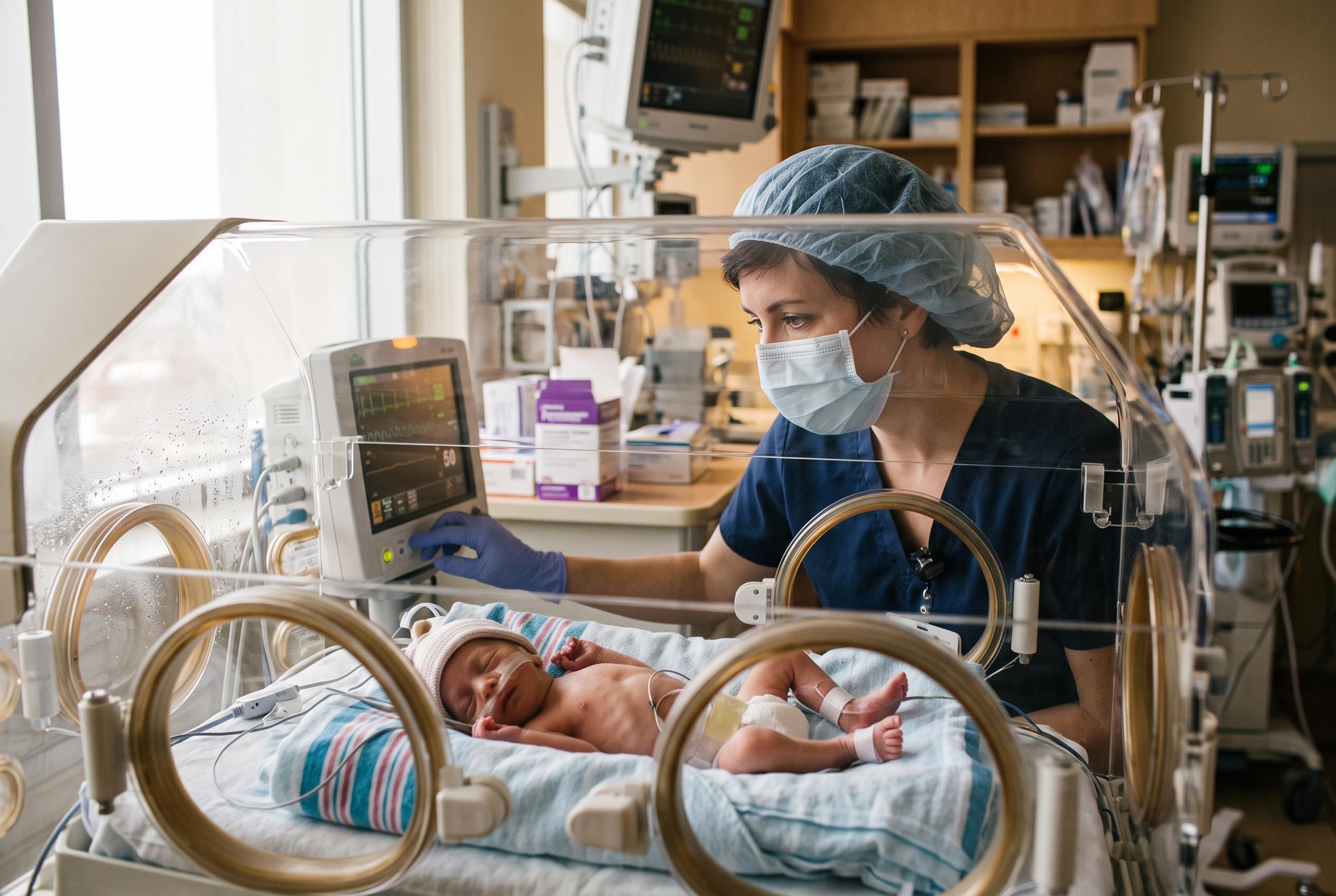

New studies suggest probiotics can reduce necrotising enterocolitis in very preterm infants, but the benefits depend on choosing the right strains and ensuring rigorous manufacturing quality.
The argument over probiotics in very preterm infants is moving from theory towards practice, and the latest evidence strengthens the case that not all probiotic preparations are equal. In a post on Neonatal Research, the author said his unit had already adopted routine probiotic use for its most premature babies after the evidence for necrotising enterocolitis, or NEC, became persuasive and safety concerns appeared manageable. That practical stance reflects a wider debate in neonatal care, where the aim is to reduce a serious gut disease that can be fatal, while choosing products that are both effective and free from contamination.
A key point in the discussion is strain choice. The author argues that Bifidobacterium longum subspecies infantis, usually shortened to B infantis, may be the most important organism in this setting because it can digest human milk oligosaccharides, the complex sugars in breast milk that infants themselves cannot break down. According to a 2023 systematic review and meta-analysis in Pediatric Research, probiotic mixtures containing B infantis were associated with a stronger reduction in NEC than preparations without it. The same review found a more consistent effect on NEC and suggested that the strain may matter as much as the broader idea of giving probiotics at all.
That theme is reinforced by guidance from the American Academy of Pediatrics, which has repeatedly noted that probiotics may reduce NEC and death, but has also stressed that benefits are not uniform across all products and that manufacturing quality is critical. The academy has warned that the evidence is less certain in the smallest and sickest infants, and that any clinical benefit depends on viable organisms, accurate strain identification and good quality control. In other words, the label “probiotic” is not enough on its own; what matters is which bacteria are included and how reliably the product is made.
Recent real-world studies have added weight to the pro-probiotic case. In the Netherlands, researchers reported in JAMA Network Open that NEC fell sharply after two large centres introduced a daily probiotic mixture containing B infantis, B lactis and S thermophilus, with the largest benefit seen in the highest-risk babies. In Sweden, a national analysis of infants born at 28 to less than 33 weeks showed rising uptake after 2019 and found lower rates of mortality, NEC and surgical NEC among those who received probiotics, while sepsis did not increase. The same preparation is being studied in the ongoing PEPS trial, which is expected to provide more rigorous evidence in a still-debated area.
Observational data from the United States have also pointed in the same direction. A single-centre retrospective study published in the Journal of Pediatrics reported more NEC after a B infantis product was stopped, with the signal remaining after adjustment for known risk factors. Taken together, the newer studies do not remove all uncertainty, but they do suggest that the balance of benefit and harm favours routine probiotic use in very preterm infants, provided the product is carefully selected and monitored. The remaining question is less whether probiotics help than which strain, or combination of strains, delivers the most reliable protection.
Disclaimer: This content is for informational purposes only and is not intended to be a substitute for professional medical judgment, advice, diagnosis, or treatment.



