

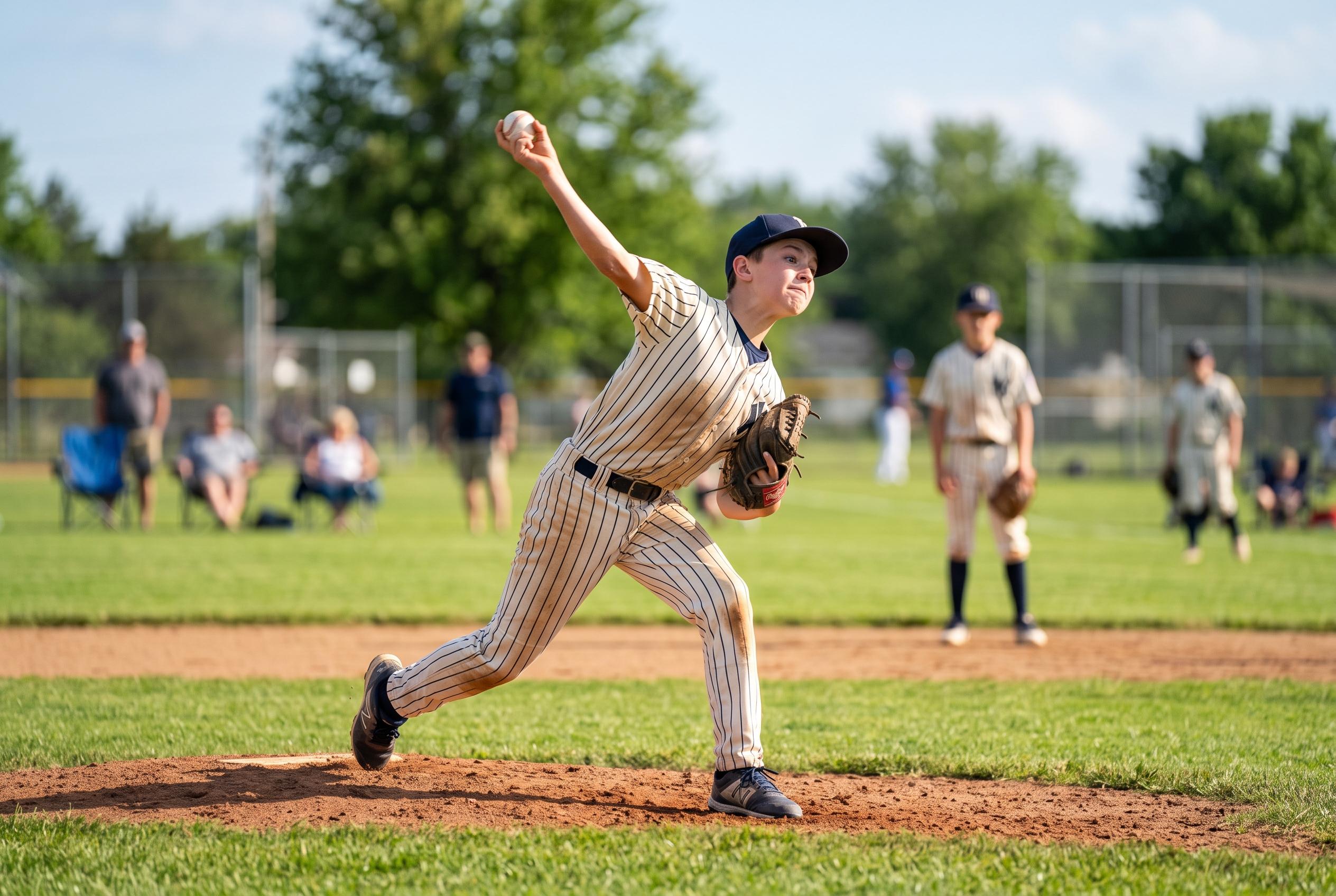

A sudden loss of control or velocity may reflect a temporary growth-related change in coordination, but persistent arm pain requires medical assessment.
A youth pitcher who suddenly starts missing the strike zone may not have forgotten how to throw. According to VeloRESET, a growth spurt can briefly change the way a young athlete’s body moves, much like a car whose controls have shifted overnight. The result can be a delivery that feels unfamiliar, with accuracy slipping and ball speed dropping even when the player is still practising regularly.
The reason is simple enough: during puberty, bones can lengthen faster than muscles, tendons and other supporting tissues can adapt. That mismatch can alter timing across the lower body, trunk, shoulder and throwing arm, making a once-reliable motion harder to repeat. VeloRESET says these changes can show up as high or wide pitches, a shifted release point or a delivery that suddenly looks awkward, although fatigue and workload can play a part as well.
A review published in Sports Health helps explain why coaches and parents should pay attention to those warning signs. The study highlights overuse and the developing musculoskeletal system as key concerns in youth pitching injuries, while the American Sports Medicine Institute advises monitoring fatigue, including declining velocity and accuracy, and responding with rest. That matters because a player can stay inside pitch-count rules and still log a heavy total workload through practices, tournaments and extra bullpen sessions.
The more practical response, experts say, is not always more throwing. Parents should look at the bigger picture: whether the child has grown quickly, whether the drop in performance has appeared across several outings and whether the arm seems more tired than usual. If those changes line up with a growth spurt, cutting back on demanding sessions may be wiser than adding more work to correct a temporary slump.
Pain should be treated differently from ordinary growing pains. Persistent soreness, especially around the elbow or shoulder, should not be brushed aside as a normal part of getting taller. In those cases, throwing should stop until the athlete has been assessed by an appropriate medical professional. For families trying to make sense of the change, VeloRESET says the main goal is to adjust workload with the athlete’s development in mind, rather than assuming every rough patch is a mechanics problem that needs more practice.
Disclaimer: This content is for informational purposes only and is not intended to be a substitute for professional medical judgment, advice, diagnosis, or treatment.



