

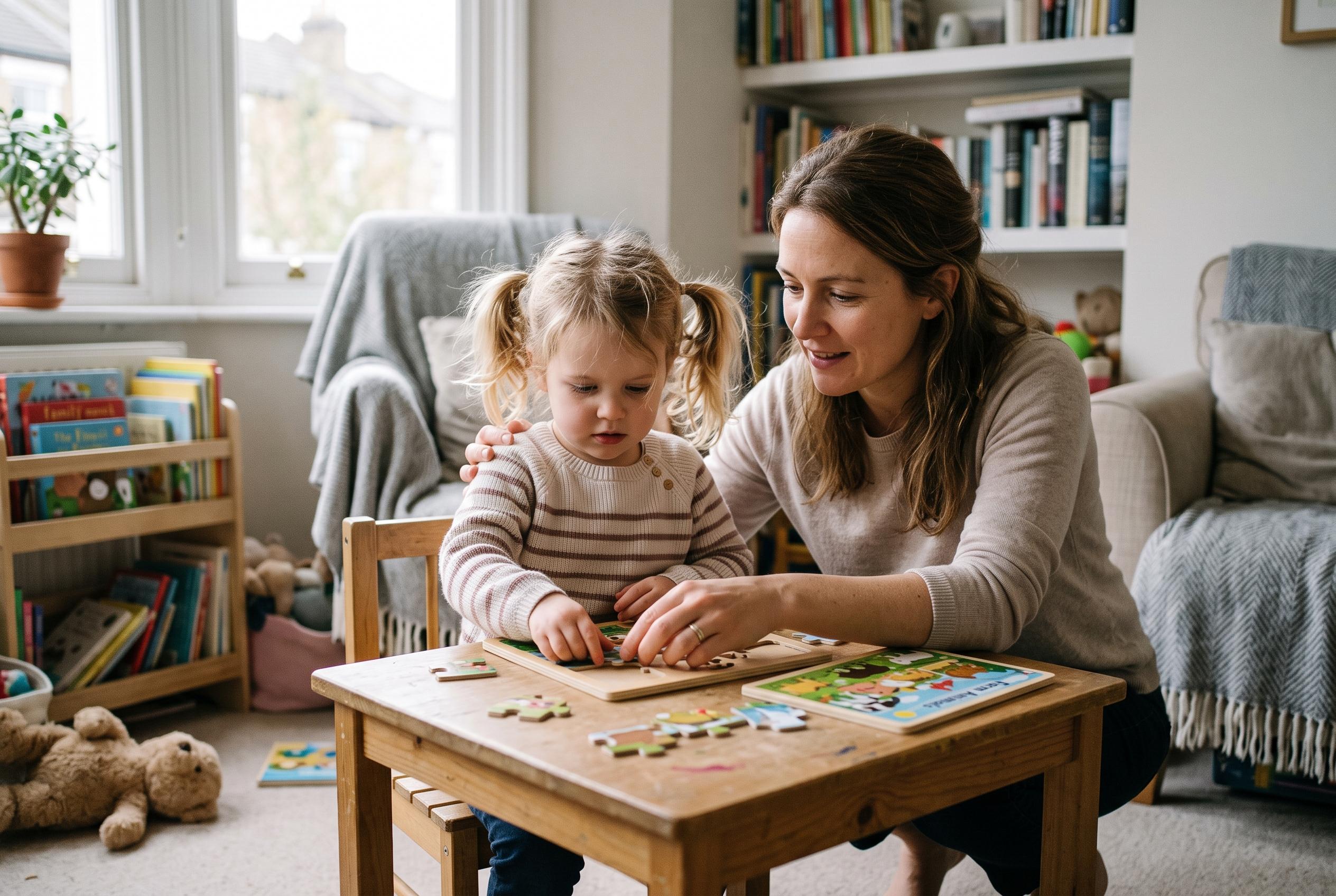

Everyday conversations, family routines and reactions to mistakes can shape how children approach learning, while supportive adults and classrooms can help them change course.
Children do not arrive at school as blank slates. Long before a first test or classroom presentation, the routines of home, the tone of adult conversations and the way mistakes are handled begin to shape how a child approaches learning. A supportive environment can nurture curiosity and confidence, while criticism, instability and repeated discouragement can make study feel risky or overwhelming. According to UNICEF, the first eight years of life are especially important because the brain is rapidly forming the foundations for language, attention, memory and emotional regulation.
Those early years matter because learning is not just about formal teaching. The Harvard Centre on the Developing Child describes everyday back-and-forth exchanges between adults and children as a key part of early development, especially when a child reaches out and an adult responds in a steady, attentive way. These exchanges help build the social and cognitive skills that later support classroom learning. Researchers at the University of Michigan have also pointed to evidence that parenting style can leave lasting marks on the brain’s developing networks, including systems involved in emotion regulation and resilience.
The home remains a child’s first classroom. Conversations at the table, story time, counting games, cooking, shopping and other ordinary activities can all support language and reasoning. None of this depends on expensive equipment or private tuition. What matters is whether adults make space for questions, explanations and exploration. A child who is encouraged to wonder aloud and seek answers is more likely to see learning as a normal part of life rather than something reserved for school hours.
How adults respond to mistakes can be just as influential. A child who is corrected patiently is more likely to understand that errors are part of learning and can be improved with practice. A child who is mocked, compared or shamed after getting something wrong may begin to avoid difficult tasks, hide uncertainty or stay quiet rather than risk embarrassment. Over time, that can develop into a habit of protecting self-esteem instead of pushing through challenge. The point is not to avoid correction, but to make it constructive enough to guide improvement.
As children grow older, those early lessons often reappear in their learning habits. Some pupils persist after setbacks because they have learned that effort can lead to progress. Others give up quickly, delay assignments or depend heavily on others for answers because previous experiences have taught them that struggle ends badly. Family dynamics can deepen those patterns. Children who are constantly compared with siblings or praised only for being “naturally bright” may come to value appearance over growth, which can make learning feel threatening rather than rewarding.
Stress can further complicate the picture. The Harvard Centre on the Developing Child has warned that prolonged adversity, particularly when children do not have supportive relationships to help them cope, can disrupt the systems that underlie learning, behaviour and health. That helps explain why children facing poverty, violence, neglect, discrimination or severe family conflict may find it harder to concentrate, remember instructions or keep up with homework. A 2024 meta-analysis in the journal Child Abuse & Neglect, which reviewed 20 studies covering more than 1.1 million children and adolescents, found that adverse childhood experiences were linked with poorer academic achievement and a higher likelihood of repeating a grade.
Schools can either reinforce these habits or help children change them. A classroom that welcomes questions, explains expectations clearly and gives pupils room to correct their work can build confidence, especially for children who have not always been encouraged at home. Predictable routines can also help pupils who struggle with organisation or focus. Just as important is the culture among classmates: when wrong answers are ridiculed, many children withdraw; when mistakes are treated as part of discussion, participation becomes safer and more productive.
The encouraging truth is that these patterns are not permanent. Children can learn new habits when adults provide structure, patience and repeated chances to practise. Parents and caregivers can help by talking through daily experiences, reading together, involving children in practical tasks and discussing setbacks without turning them into labels. Teachers can support the same process by giving clear feedback, allowing pupils to revisit difficult work and recognising effort as well as achievement. Childhood experiences can shape the path to learning, but with consistent support, they do not have to determine the destination.
Disclaimer: This content is for informational purposes only and is not intended to be a substitute for professional medical judgment, advice, diagnosis, or treatment.



