

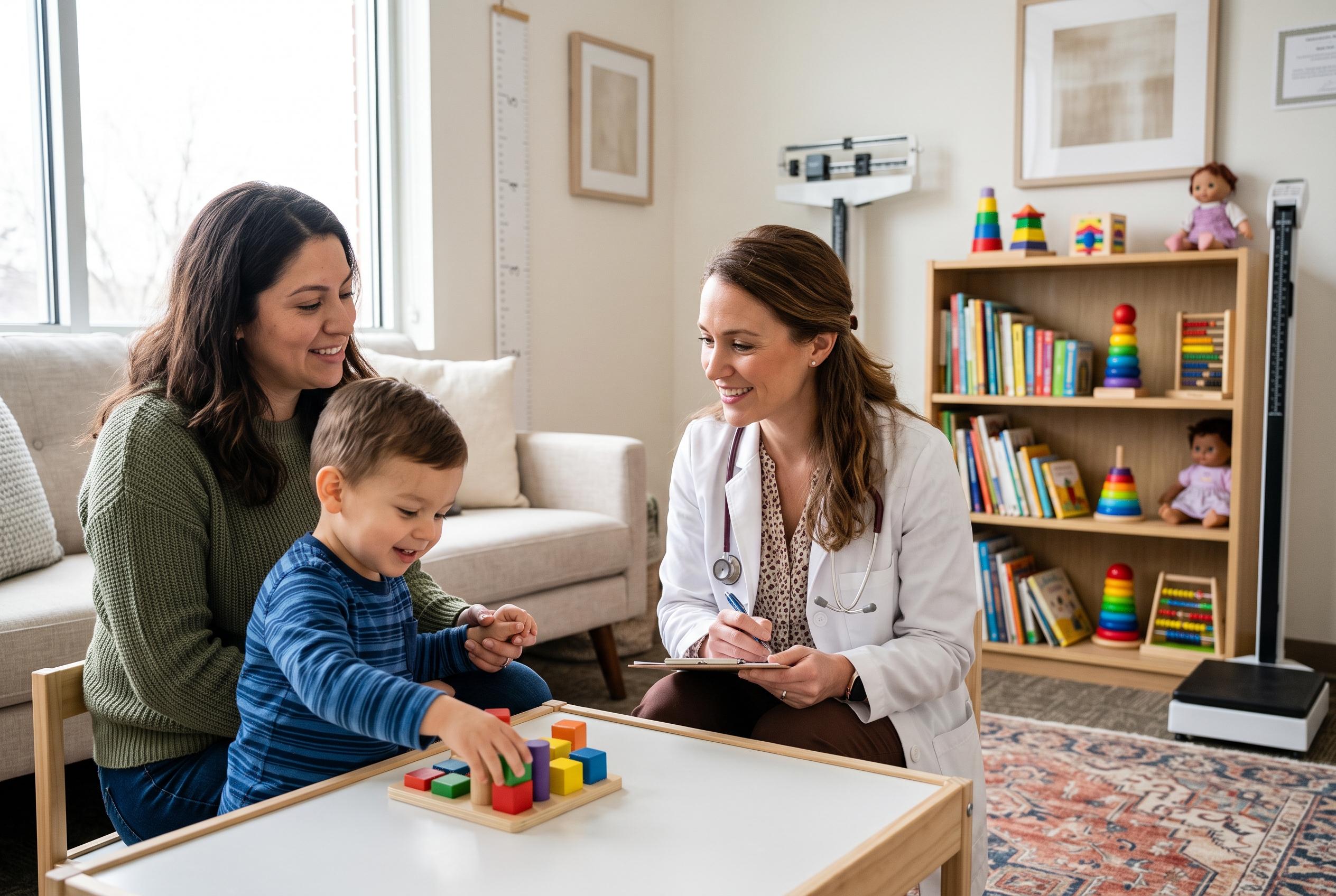

Researchers will train nearly 200 clinicians across three US states to assess autism, with the largest study of its kind aimed at easing specialist shortages and accelerating support for children.
Indiana University School of Medicine researchers have won a $7 million grant from the US National Institutes of Health to test whether primary care clinicians can be trained to diagnose autism more quickly, a move aimed at reducing long waits for families seeking evaluations. The project is intended to tackle a familiar bottleneck: too few specialists and too many children waiting months, and sometimes years, for assessment.
The study will be the largest of its kind focused on teaching autism diagnosis in primary care, according to Indiana University. It will involve nearly 200 clinicians, including doctors, nurse practitioners and physician assistants, across Indiana, Massachusetts and Tennessee. About 65 of those participants will be based in Indiana, with the work especially geared towards rural communities where access to specialist care is often limited.
Rebecca McNally Keehn, an associate professor of paediatrics at the IU School of Medicine, said the challenge lies in teaching front-line clinicians to make careful judgments about a condition that has no single medical test. Autism diagnosis typically depends on detailed observation, parent interviews and close attention to a child’s communication and play. The aim of the project is to determine which training methods work best so that more children can be identified earlier and referred for support sooner.
The university’s autism work already includes specialist training programmes for psychologists and other professionals, including postdoctoral fellowship training and the interdisciplinary LEND curriculum, which focuses on neurodevelopmental disabilities, autism, leadership and collaborative practice. Those programmes suggest that IU has built an existing training base that may help inform the new study, even as the grant expands the effort into primary care settings.
Researchers are also exploring whether eye-tracking technology could eventually support diagnosis by measuring how children direct their attention. Funding for that next phase has not yet been secured, but McNally Keehn has said the technology could make primary care training more efficient or improve diagnostic accuracy if it advances alongside the main study.
The broader goal, according to the university, is to create a training model that could be used nationally. IU is working with Vanderbilt University and UMass Chan Medical School on the project, with first findings expected within the next year or two. For families, the promise is simple: faster diagnosis, earlier intervention and better access to the therapies and community support that can make a lasting difference in a child’s development.
Disclaimer: This content is for informational purposes only and is not intended to be a substitute for professional medical judgment, advice, diagnosis, or treatment.



