


Play can build curiosity, resilience and problem-solving skills, but experts warn parents against treating toys as career-planning tools.
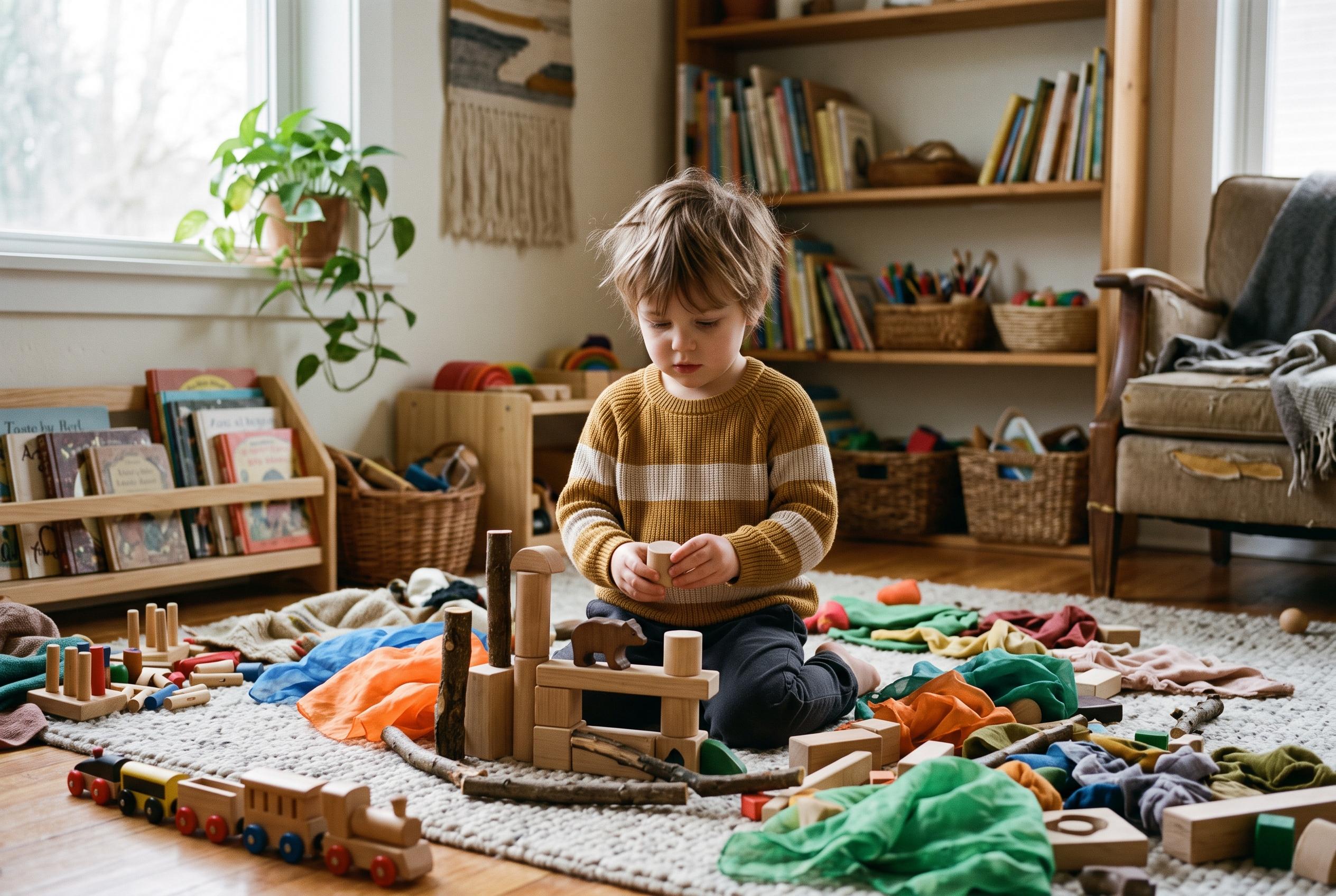
Play is not just a way to fill time; it can shape how children think, solve problems and make sense of the world. That idea sits at the heart of a new piece in El País, which argues that the point is not to hunt for the “best” educational toy, but to give children a range of experiences that spark curiosity without pretending to predict their careers. The article uses a simple image: a child stacking blocks, watching a tower collapse, then trying again with a different design. What looks like a game also trains observation, trial and error, and persistence.
Nerea Riveiro, a psychopedagogue at VTech, says scientific and technological interests do not appear suddenly when teenagers choose what to study. In her view, they begin in childhood, through questions, experiences and the freedom to explore. A survey commissioned by VTech and published in June found that almost eight in 10 people in Spain believe play influences children’s interests, skills and future vocations. That, however, is a perception rather than proof that any one toy leads to a specific profession.
Riveiro says building toys can help children understand balance and planning, while early coding games encourage them to sequence instructions and think ahead. But she also warns that a toy alone does not guarantee meaningful learning. The child has to be active, make decisions, test ideas and be allowed to get things wrong. The result depends not only on the toy, but on the child’s age, abilities and the way play unfolds. Games with rules can strengthen turn-taking and self-control, while construction sets can support spatial reasoning and organisation.
Her wider point is that families should not treat every play session as an investment in a future job. Child development experts have long argued that play supports cognitive, social, emotional and physical growth. The American Academy of Pediatrics says play helps children build confidence, resilience, curiosity and the skills they need for relationships, study and work. Northern Ireland’s nidirect service says freely chosen play also helps children learn about themselves and the world around them. In other words, the value of play is broader than any one career pathway.
Josef Brocki, who founded the Spanish technology training company Evolve, offers a similar caution from the adult side of the equation. He says many people discover an interest in technology only later in life, sometimes in their 30s or 40s, after encountering a practical problem they want to solve. His example is a human resources worker who learns data tools and begins to see patterns in staff turnover or recruitment drop-off. The lesson, Brocki suggests, is that skills can be added later, even after a person has already chosen a different professional path.
That makes the article’s final message especially relevant for parents: the aim is not to engineer a child’s future, but to raise one who can adapt to it. As artificial intelligence, automation and digital systems continue to reshape work, the most useful abilities may be creativity, critical thinking, cooperation and emotional flexibility. A child who builds, puzzles, reads, moves and occasionally gets bored is not being prepared for one fixed occupation. He or she is being given the tools to keep learning, which may matter more than trying to guess the job title of the future.
Disclaimer: This content is for informational purposes only and is not intended to be a substitute for professional medical judgment, advice, diagnosis, or treatment.



