

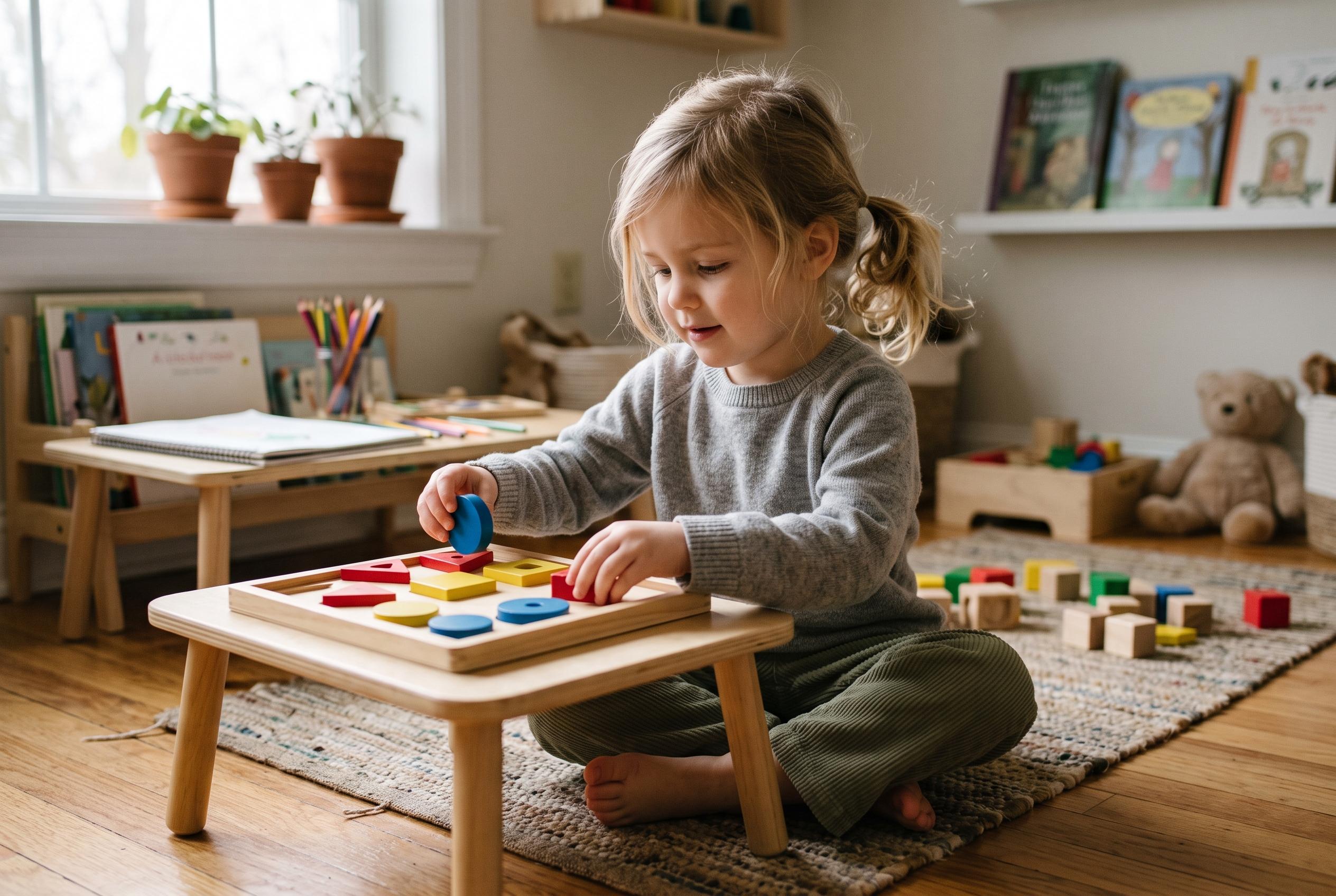

The best enrichment classes follow a young child’s interests and temperament, while leaving plenty of space for free play, rest and family time.
Parents looking at preschool enrichment classes often face a familiar dilemma: how do you choose something that genuinely suits a young child, rather than simply filling time? The answer usually begins with the child, not the timetable. Observing what a preschooler naturally gravitates towards, whether that is music, movement, art, stories, sport or hands-on discovery, can offer a far better guide than trying to predict what they should be good at later on.
That instinct matters because enrichment works best when it deepens curiosity rather than forcing a fixed path. Organisations that work with children say these classes can expose youngsters to new ideas, offer a gentler setting for learning and help revive enthusiasm for discovery. In practical terms, that might mean a child who loves painting gaining confidence with colour and texture, or one drawn to rhythm finding a more comfortable route into music and performance.
Before enrolling, it helps to look at what is available locally and how each option is run. Libraries, parks departments, recreation leagues, preschools and nearby schools often know about age-appropriate classes, while parent groups can be useful for frank feedback on how programmes actually operate. Just as important is judging whether the class suits a preschooler’s age and temperament: some children thrive in a small group with clear structure, while others do better in looser settings that leave room for independence and imagination.
Experts who write about early-childhood enrichment also stress the need for balance. Preschoolers benefit from exposure to organised activities, but not at the expense of free play, rest and family time. Too many classes can leave young children overstretched, especially if the schedule is driven more by adult ambition than by the child’s own interest. At this stage, enrichment should support development, not turn childhood into a race to accumulate achievements.
That is why the best approach is usually flexible and low-pressure. Talk with the child about what sounds fun, be willing to try one activity at a time and allow room to change course if interest fades. The point is not to identify a lifelong talent before kindergarten. It is to give children safe, enjoyable chances to explore, practise commitment in small doses and discover what makes them feel confident, curious and eager to learn.
Disclaimer: This content is for informational purposes only and is not intended to be a substitute for professional medical judgment, advice, diagnosis, or treatment.



