

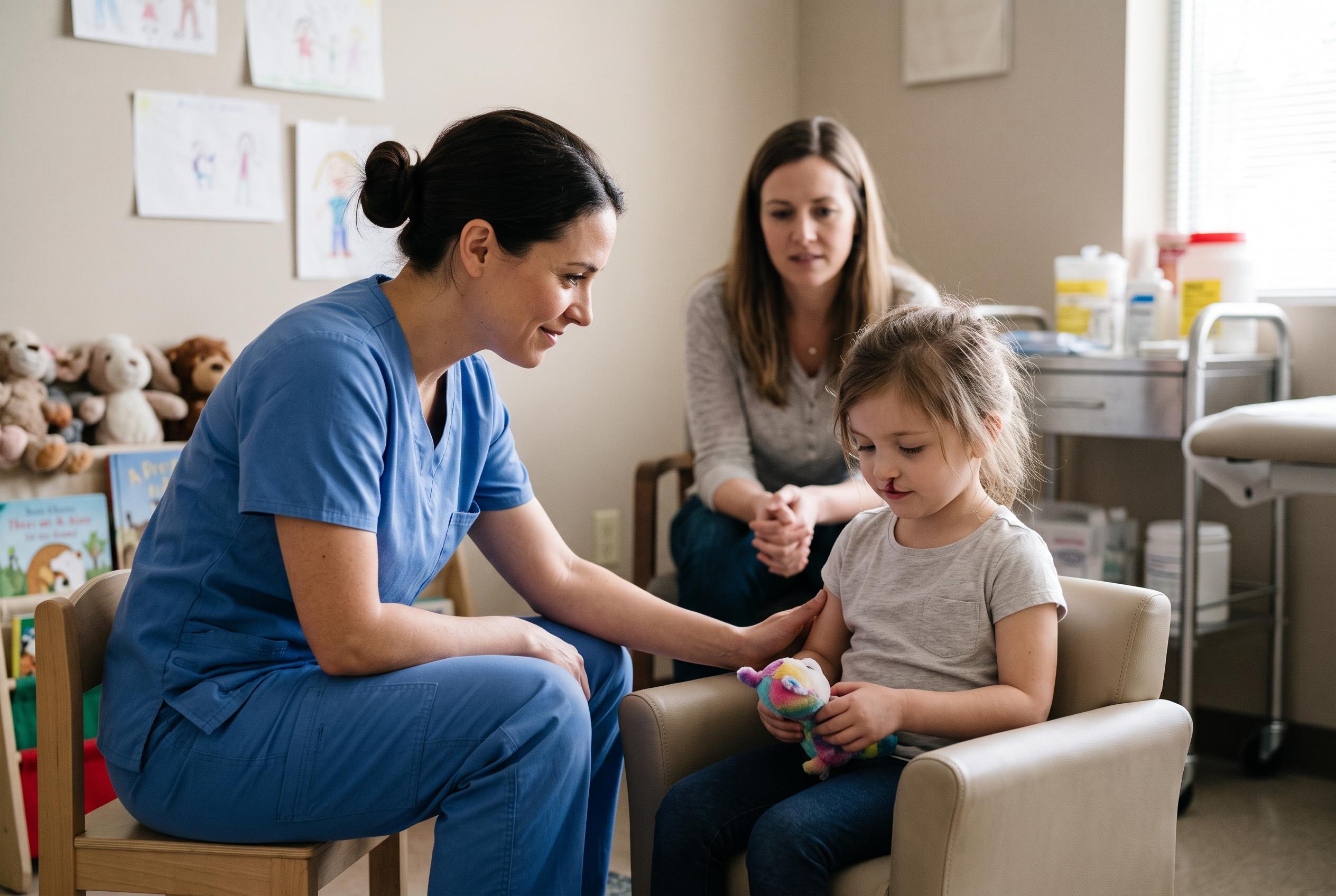

A study at Goa Medical College found psychiatric conditions in more than half of young cleft-care patients, with mental health problems particularly common among those who missed follow-up appointments.
A study from Goa Medical College has found that more than half of the children and adolescents treated for cleft lip and palate had at least one psychiatric condition, underscoring the case for mental health support to be built into routine cleft care.
The research, published in 2026 in Child and Adolescent Psychiatry and Mental Health, followed 210 patients aged 18 and under who attended a multidisciplinary cleft clinic between January 2022 and September 2024. Anxiety was the most common diagnosis, followed by adjustment disorders, specific learning disorders and depressive disorders. Attention-deficit/hyperactivity disorder was also identified in a smaller share of the group.
The findings add to a wider body of evidence showing that children born with cleft lip and/or palate face heightened psychological and social risks. A December 2024 review in European Child & Adolescent Psychiatry found that such children are at increased risk of neurodevelopmental difficulties, while earlier studies have linked cleft conditions with social anxiety, depression and peer relationship problems. Specialist guidance also notes that stigma, body image concerns and communication difficulties can compound the burden on affected children.
In the Goa study, mental health problems were more common among children who were not keeping up with treatment. Psychiatric conditions were identified in 65% of those who dropped out of follow-up, compared with 42.7% of those who attended regularly. The authors cautioned, however, that the data show an association rather than proving that psychiatric illness caused families to disengage from care.
Socio-economic factors also appeared to matter. Children from lower-income households, those whose mothers had less formal education and those living in rural areas were more likely to miss appointments or attend irregularly. The researchers said the integrated service at Goa Medical College combined psychiatric screening, counselling, parent guidance and treatment for identified problems alongside surgical and rehabilitative cleft care, with every child who screened positive receiving at least one mental health intervention.
Caregivers largely welcomed the model. Among 150 who gave feedback, 94.7% said they were satisfied with the integrated approach, although some reported practical problems such as travel and time constraints. The authors concluded that embedding psychiatric assessment and intervention within cleft services is workable and acceptable in lower- and middle-income settings, while also acknowledging that the study was limited to a single centre and may not apply everywhere.
Disclaimer: This content is for informational purposes only and is not intended to be a substitute for professional medical judgment, advice, diagnosis, or treatment.



