

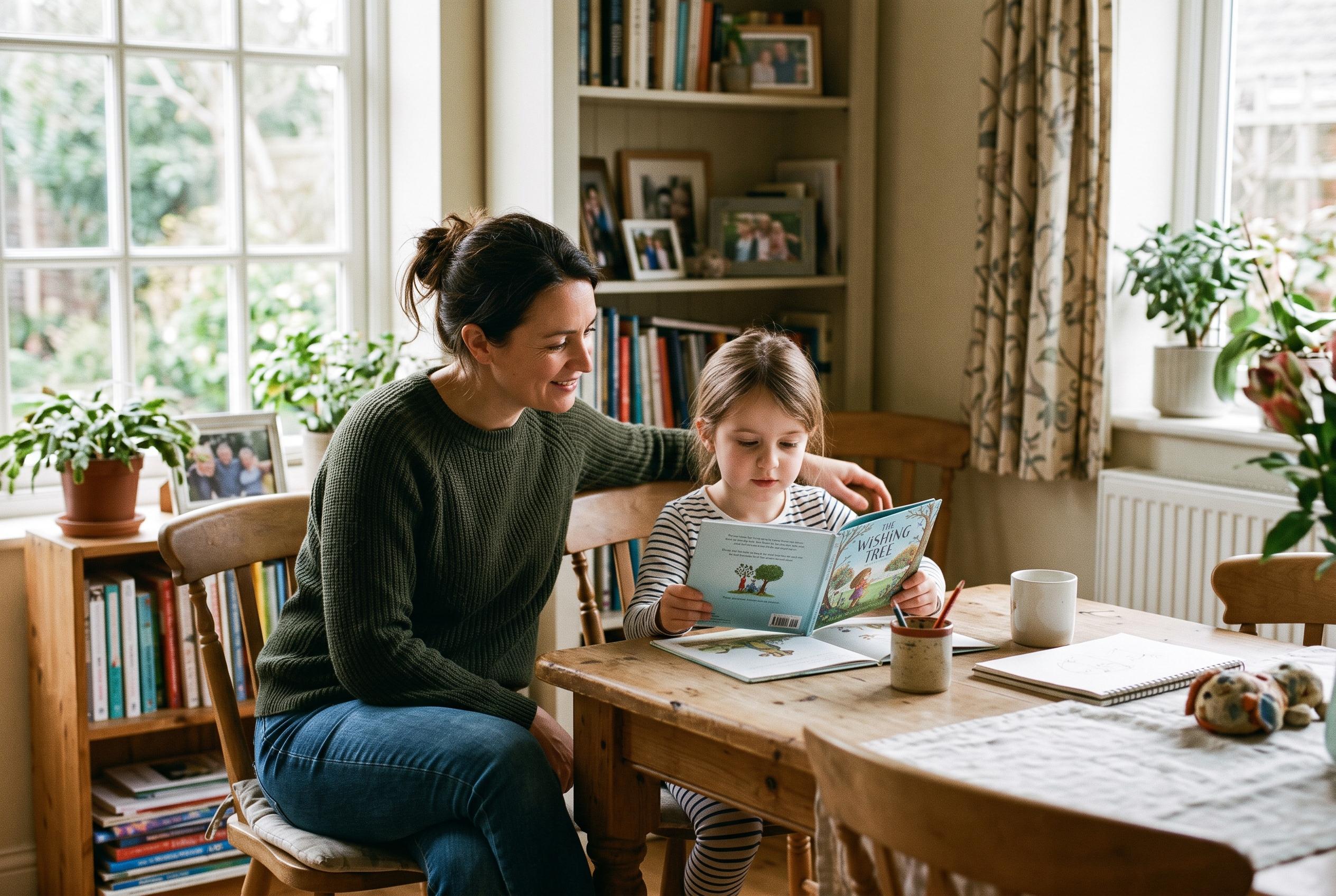

With schools closed for the year-end break, parents are being urged to balance rest and recreation with supervision, reading, chores and open conversations about risks facing children.
As schools close for the year’s longest holiday, many children will be celebrating a welcome pause while their parents brace for a demanding stretch at home. According to the Ministry of Education’s school calendar, third term ends on October 23 and the break runs until January 1 next year, although some learners will spend part of that period sitting national examinations and assessments. The Kenya Certificate of Secondary Education exams begin today with oral and practical papers.
For families, the challenge is not simply finding something for children to do. It is making sure they stay safe, occupied and mentally active while adults continue with work and other responsibilities. The holiday can easily become a time of drift if children are left unsupervised, particularly when peer pressure, smartphones, video games and television can fill long empty hours more quickly than parents realise. The official school calendars published for Kenyan learners across pre-primary, primary, junior, senior and secondary levels underline how long these breaks can be, and why planning ahead matters.
That is why the season calls for structure, but not a replica of the classroom routine. Parenting specialists commonly advise against turning home into school, arguing instead for a healthier balance of rest, recreation, family time, chores and light reading. Children benefit when they are given responsibility around the house, encouraged to read, and steered towards physical activity and constructive social time rather than endless screen use. That approach helps them return to class refreshed rather than restless.
The stakes are also higher than simple boredom. During long holidays, children can be more exposed to unsafe activities, harmful online content, drug and alcohol use and negative peer influence. For teenagers, the risk of early pregnancy is real, making adult supervision and open conversation especially important. Parents and caregivers therefore need to use the holiday not just to keep children busy, but to keep them protected, engaged and prepared for the new school year ahead.
Disclaimer: This content is for informational purposes only and is not intended to be a substitute for professional medical judgment, advice, diagnosis, or treatment.



