


From Boston’s biggest rowing spectacle to a fourth-grade football pitch, sport’s lasting lesson is that showing up, working hard and being seen can matter as much as winning.
The Head of the Charles Regatta can feel timeless, but its history is comparatively young. According to the Chester Regatta, the world’s oldest rowing regatta dates to 1733 on England’s River Dee, while the Head of the Charles first took place in 1965. What it lacks in age, the Boston event has made up for in scale: race organisers say it now draws hundreds of thousands of spectators and thousands of athletes, turning a narrow stretch of river into one of rowing’s most watched stages.
That spectacle is part of the appeal. On the bend near the Weeks Footbridge, crews come into the turn already exhausted and still have a long stretch to go. Coxswains shout instructions, rowers fight for position and the crowd responds with whistles and cheers that often seem less about knowing the finer points of the sport than about recognising the drama of the struggle itself. The point, as much as the podium, is the exertion.
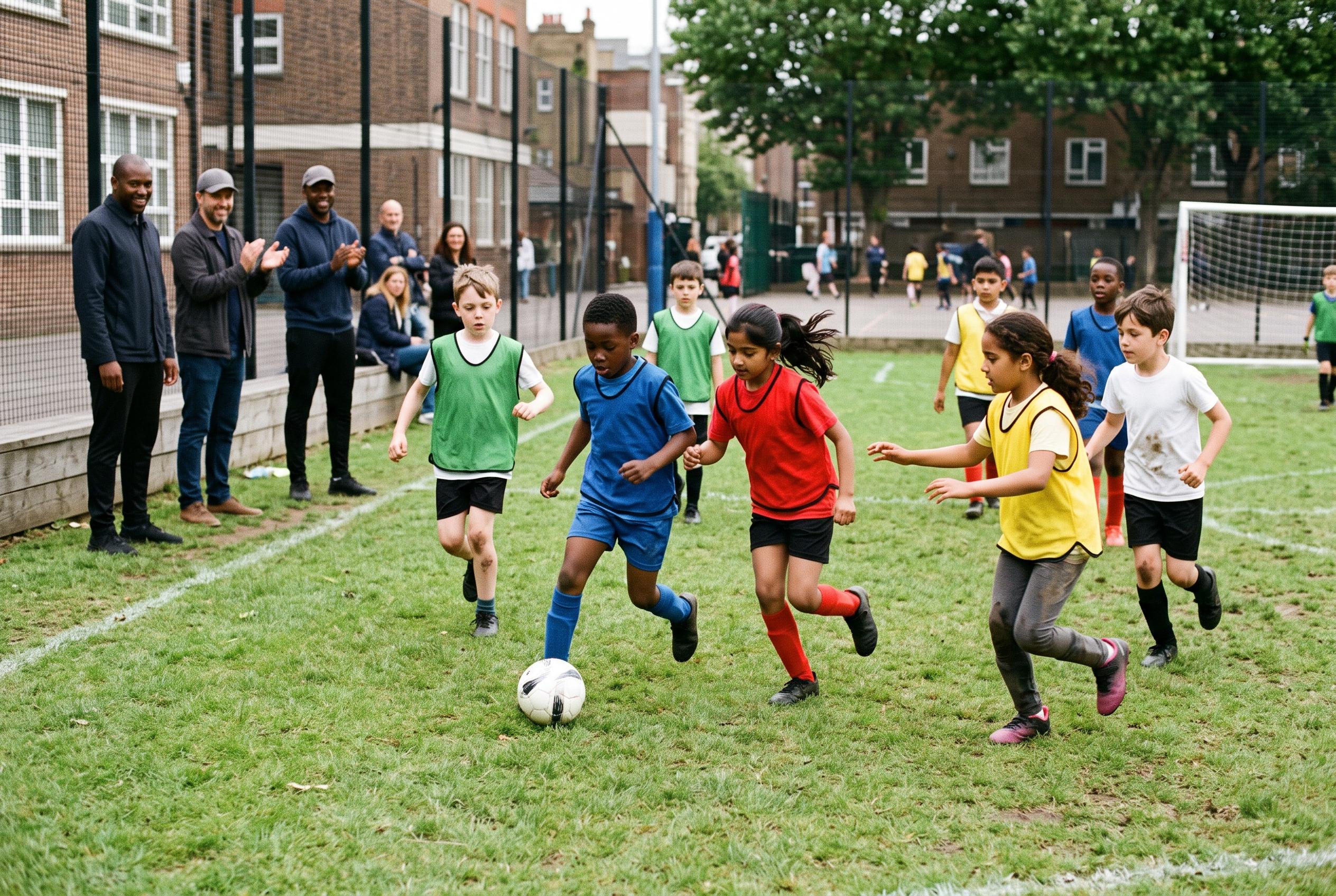
That same lesson has been playing out on a much smaller field this autumn, where the writer has been helping coach a fourth-grade girls’ soccer team. The practices are ordinary enough: an hour here, a Saturday match there, a car boot full of balls, pinnies and cones. But youth sport rarely turns on tactics alone. It is also about whether children learn how to work together, accept instruction and keep going when the game is messy, and it usually is.
The writer’s own childhood helps explain why that matters. On a Little League team in elementary school, she was the only girl on the roster and one of just two in the league. Before a playoff game, the coach played “The Lion Sleeps Tonight” and urged the team to settle themselves and believe they could win. They lost, but the memory endured because the message did not depend on the final score. It was an affirmation that effort counted. Years later, that is what remains: the praise for hustle, the sense of belonging and the feeling of being seen.
That is also what the current coaching job has come to mean. The writer wants her players to be bold, to compete and to learn that they can be strong and capable, even if they are still figuring out positions, spacing and the difference between a toe poke and a proper pass. In that sense, the grand regatta and the local youth team are not so far apart. Both remind onlookers that sport is not only about winning. Sometimes it is simply about showing up, pushing hard and making that effort visible enough for others to cheer.
Disclaimer: This content is for informational purposes only and is not intended to be a substitute for professional medical judgment, advice, diagnosis, or treatment.



