

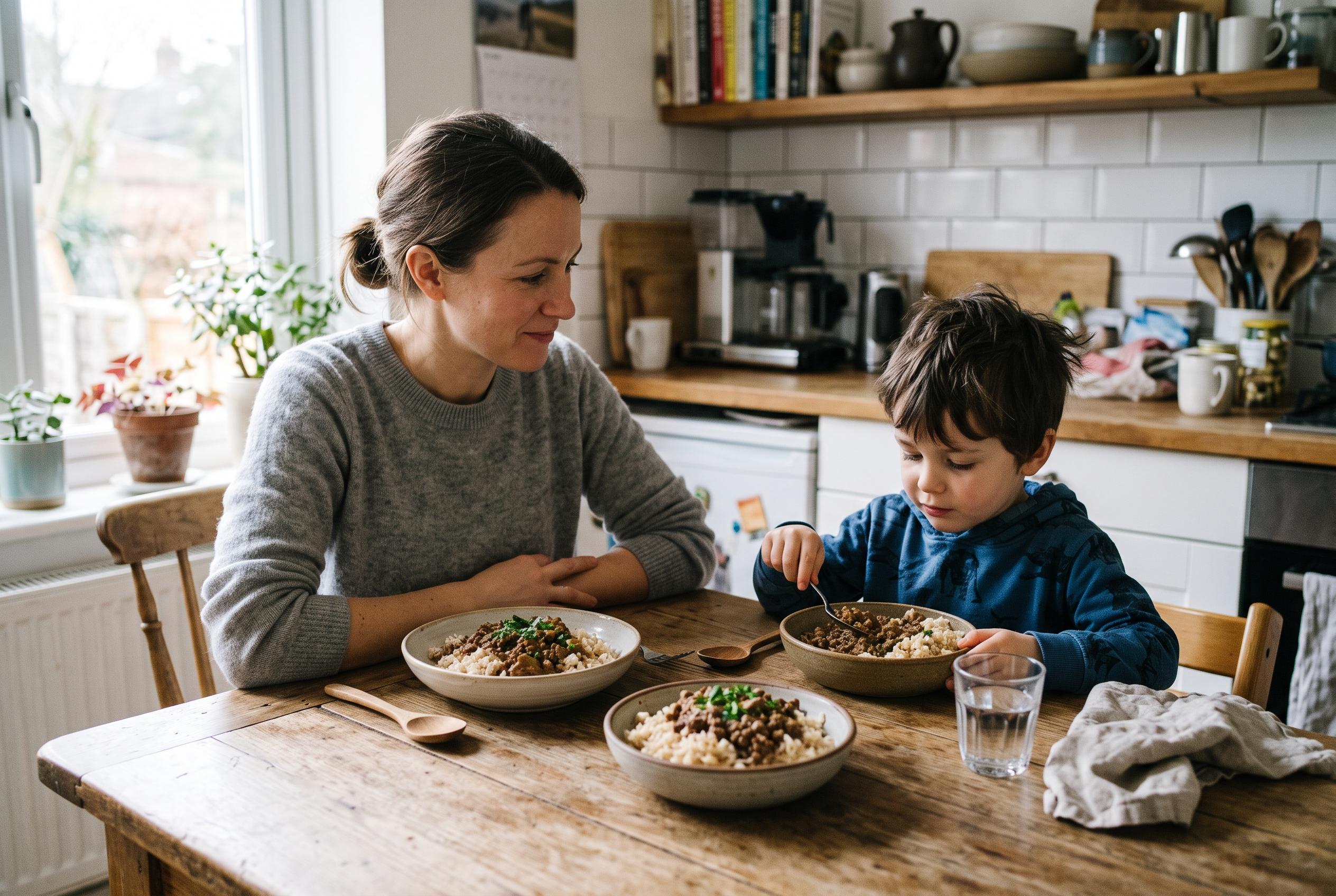

The viral rice-and-minced-meat bowl promises cheap, convenient fuel, but experts warn that relying on it too often can leave fibre, vitamins and variety off the plate.
A new social media meal trend is putting a high-protein spin on batch cooking: a bowl built around rice and minced meat, usually beef, turkey or chicken, sometimes with avocado or other simple additions. The formula, often called “boy kibble”, has gained traction among younger men looking for a fast, cheap way to eat at home while keeping protein intake high. Commentators have linked its popularity to the same impulse that made “girl dinner” a viral shorthand for minimalist eating, but with a more muscle-focused emphasis. According to CNN Wellness, the appeal lies not only in convenience but also in the way the meal removes the need to plan, shop and think too hard about what to eat each day.
Dietitians say that is precisely where the idea starts to fall short. A plate built mainly on protein and starch may be practical, but it can drift far from commonly recommended proportions that put vegetables at the centre of the meal. Healthline reported that the trend’s reliance on a narrow mix of ingredients can leave gaps in fibre, vitamins and minerals if it becomes a default rather than an occasional shortcut. The Guardian likewise noted that the repetition can work against dietary variety, even when the meals are filling and reasonably affordable.
That does not mean the basic template has to be discarded. Nutrition specialists suggest treating it as a foundation rather than a fixed routine: add frozen vegetables, pre-cut salad bags or other easy plant foods, and vary the grain or protein from time to time. MyFitnessPal has described the trend as a form of repetitive meal preparation that cuts down on decision fatigue, but it also warned that the same simplicity can become a weakness if it crowds out other foods. Small changes, such as swapping white rice for whole grains or adding beans and greens, can make the bowl more balanced without sacrificing speed.
Some experts go further and argue that the bigger lesson is to move towards a more plant-forward pattern overall. Research associated with Valter Longo of the USC Longevity Institute has long promoted a largely plant-based approach that emphasises legumes, whole grains, nuts and, optionally, fish, along with time-restricted eating or periodic fasting-style cycles. In the journal Cell, Longo and Ronald M. Anderson argued that such diets are linked to better healthspan and a lower risk of age-related disease than patterns heavier in animal protein. That does not make every meat-based bowl unhealthy, but it does suggest that variety and plant foods matter more than viral shorthand might imply.
For people who like the convenience of a prepared meal but want something more plant-based, meal-kit services can offer an easier entry point. Purple Carrot, for example, sells fully vegan kits with pre-portioned ingredients, and the company says it also offers ready-to-eat options. Reviews cited in the supplied material say the meals are flavourful and varied, which can help when the goal is to cook more at home without starting from scratch. For busy parents and other time-pressed households, the broader lesson is simple: efficiency in the kitchen is useful, but it works best when it supports a diet that is varied enough to last.
Disclaimer: This content is for informational purposes only and is not intended to be a substitute for professional medical judgment, advice, diagnosis, or treatment.



