

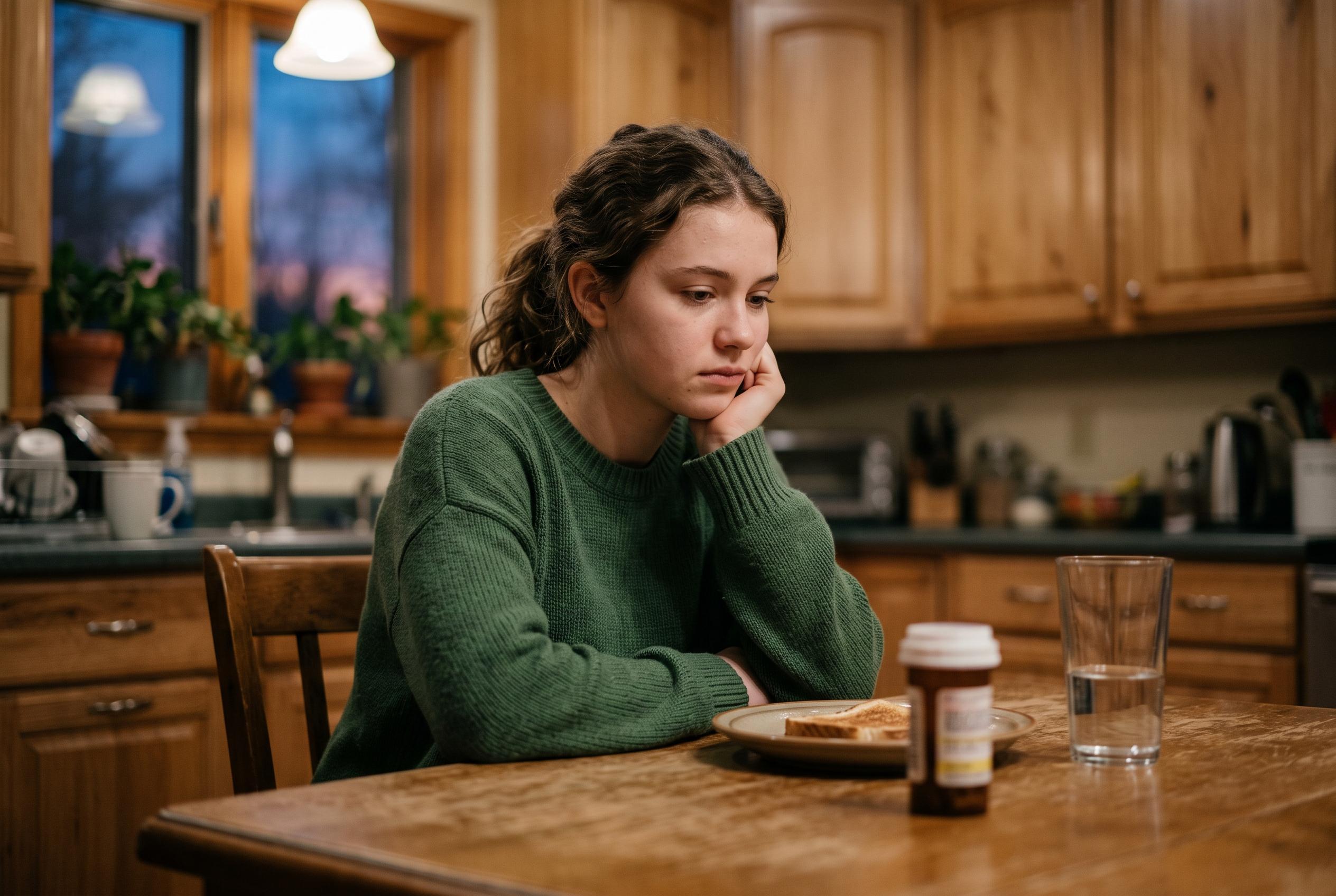

US survey data suggest young people with depression are more likely to misuse prescription medicines, often to cope with emotional distress, prompting calls for integrated mental health and addiction care.
Depression appears to markedly raise the risk that adolescents and young adults will misuse prescription psychotherapeutic medicines, according to a study published in JAMA Network Open that analysed US survey data from 2023 and 2024. The findings suggest that for some young people, misuse is tied less to recreation than to an effort to blunt emotional pain, a pattern researchers say should push clinicians to treat mental health and substance use together rather than as separate problems.
The study drew on responses from 22,906 adolescents aged 12 to 17 and 27,723 young adults aged 18 to 25 who took part in the National Survey on Drug Use and Health. Researchers led by Michael S. Toce of Boston Children’s Hospital looked at whether participants had experienced a major depressive episode in the previous year and whether they had misused prescription drugs, developed a prescription drug use disorder, or reported particular reasons for misuse. Overall, about 16.3% of respondents said they had experienced a major depressive episode in the previous year, representing an estimated 9.8 million people nationally.
Among young people with depression, 6.6% reported misusing prescription psychotherapeutic drugs and 6.0% met criteria for a prescription drug use disorder. Compared with peers without depression, youths with depression had about twice the odds of reporting misuse and roughly four times the odds of a use disorder. The paper reported that emotional distress was especially important in misuse involving opioid painkillers and tranquillisers, with depressed respondents more likely to say they were using those drugs to cope with feelings and emotions.
The pattern is consistent with earlier research showing that depression is a major risk factor for prescription drug misuse in adolescents, and with studies finding that misuse among young people can be relatively common once they begin using psychoactive prescription medicines. The JAMA Network Open authors cautioned that their analysis was limited by self-reported survey data, its cross-sectional design and the exclusion of people experiencing homelessness, a group in which substance misuse is known to be higher. Even so, they argued the findings reinforce the case for easier access to integrated care, so that untreated depression does not evolve into longer-term substance use problems.
Disclaimer: This content is for informational purposes only and is not intended to be a substitute for professional medical judgment, advice, diagnosis, or treatment.



