

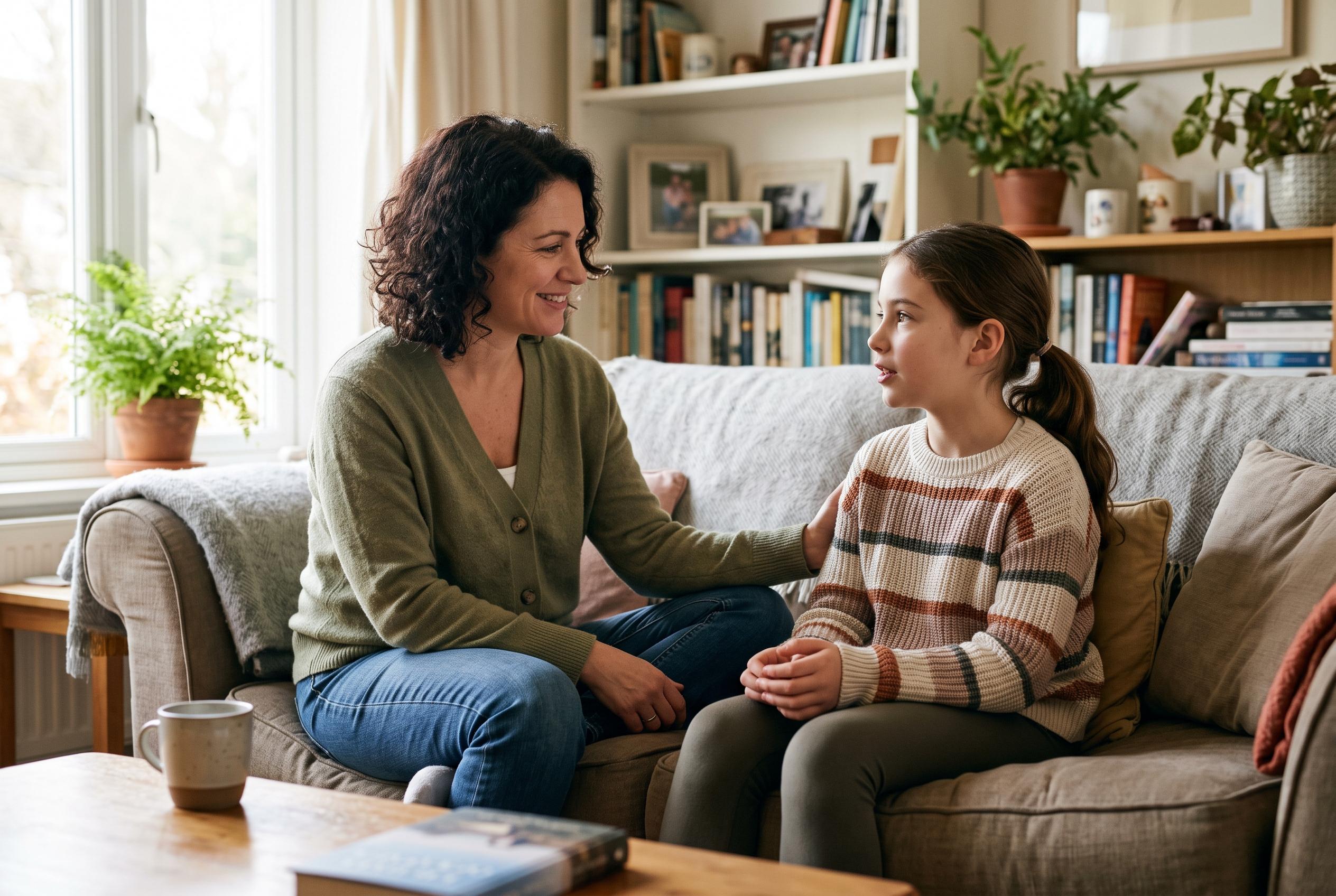

Child psychiatrist Daniel Amen says parents should provide safety and connection without removing every consequence, allowing children to build responsibility, resilience and confidence.
Parents often step in out of love when a child forgets homework, misplaces a coat or leaves lunch on the counter. But child psychiatrist Daniel Amen argues that constant rescuing can do more harm than good, because children also need room to experience consequences, solve problems and build confidence on their own. Speaking on Jay Shetty’s podcast, Amen said one of the most important habits of mentally strong people is accepting responsibility for their lives and facing the results when things go wrong. According to the interview, he believes that lesson can begin as early as age four to six.
Amen’s point is not that parents should withdraw support. Rather, he says children need what he likens to bowling-alley bumpers: enough protection to keep them safe, but not so much intervention that they never learn to cope. In his view, overhelping can undermine responsibility, agency and self-esteem. He has made the same argument elsewhere, warning that parents who repeatedly remove every obstacle may prevent children from developing the independence and competence they will need later in life.
He illustrated the idea with a family story about his daughter Chloe, who once spent hours resisting second-grade homework until her mother changed approach and placed the responsibility back on her. Chloe eventually sat down and finished the work, a result Amen used to underline his broader message: the long-term goal is not to produce children who are never uncomfortable, but to raise young people who can handle discomfort without collapsing or expecting someone else to fix it. Related comments reported by other outlets show Amen making the same case for boundaries, grit and early accountability as foundations for resilient behaviour.
Amen also says that connection gives parents more influence, not less. He recommends setting aside about 20 minutes a day for child-led time with no commands, no interrogation and no corrections, describing it as a small investment in the relationship. When children do talk, he urges parents to listen actively rather than react instantly. If a child says they want blue hair, for example, he suggests repeating back what was heard and then giving the child space to explain the real concern underneath. His central message is straightforward: strong parenting is not about fixing everything, but about giving children the confidence and skills to work through problems themselves.
Disclaimer: This content is for informational purposes only and is not intended to be a substitute for professional medical judgment, advice, diagnosis, or treatment.



