


About 3,300 people were treated in Austrian hospitals after weight-training accidents in 2025, but experts say the raw total masks strength training’s wider health and injury-prevention benefits.
Austria’s latest injury figures have renewed attention on the risks of strength training, but sports medicine experts say the numbers need context. The Kuratorium für Verkehrssicherheit says about 3,300 people in Austria were treated in hospital after weight-training accidents in 2025. That is a significant figure, yet experts caution that a rise in recorded injuries does not automatically mean the activity has become more dangerous for each individual, especially as more people have taken up strength work in recent years. According to sports medicine specialists, the better measure is injury risk per training hour, not simply the raw number of cases.
That broader view matters because strength training has well-established health benefits. Medical and fitness research cited in recent summaries points to stronger muscles, improved bone density, better metabolic health and a lower risk of several chronic illnesses. Strength work also helps preserve function as people age, supporting balance, mobility and independence. Health experts note that these gains are not limited to athletes or gym regulars; they can be relevant for older adults, beginners and anyone trying to stay active over the long term.
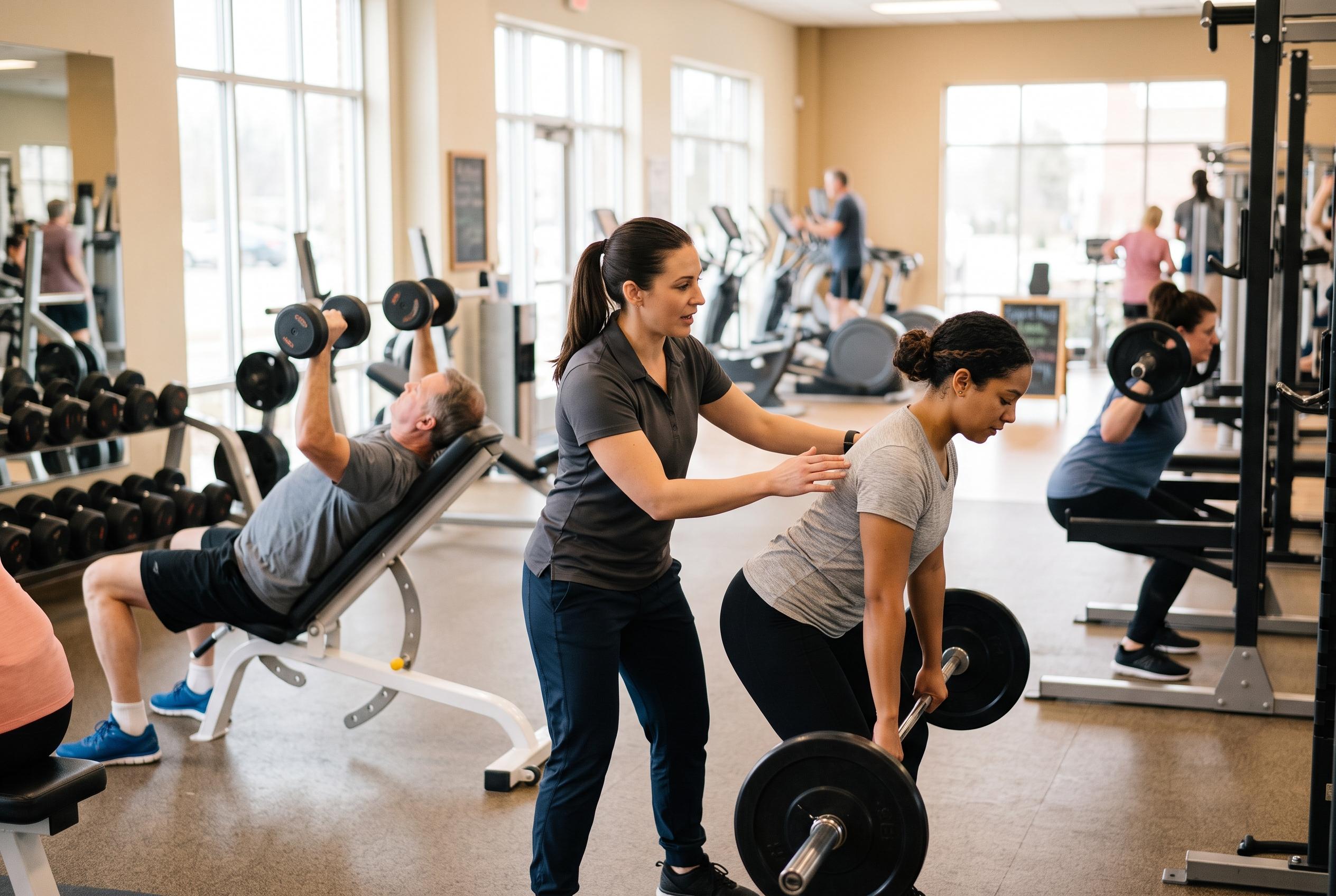
The same kind of training can also reduce the chance of getting hurt elsewhere. Brown Health says stronger muscles and tendons help the body cope better with everyday strain, while other recent analysis suggests resistance training may cut sports injury rates by around a third when it is done properly. That is one reason many clinicians now treat strength work as part of injury prevention, not merely a route to fitness. In practical terms, that means good technique, gradual progression and appropriate load management are as important as the exercise itself.
The Austrian guidance reflects that balance. It argues that injuries can usually be reduced with sensible preparation: learning exercises correctly, increasing weight and volume in steps, warming up properly, allowing enough recovery and using equipment safely. The advice also warns against exaggerated role models and unrealistic ambitions among younger trainees, saying long-term progress comes from consistency rather than chasing heavy lifts too quickly. The World Health Organisation recommends muscle-strengthening activity on at least two days a week, underlining the view that resistance exercise is a public-health tool as well as a sport. The message from Austrian experts is clear: the goal is not less strength training, but better strength training.
Disclaimer: This content is for informational purposes only and is not intended to be a substitute for professional medical judgment, advice, diagnosis, or treatment.



