

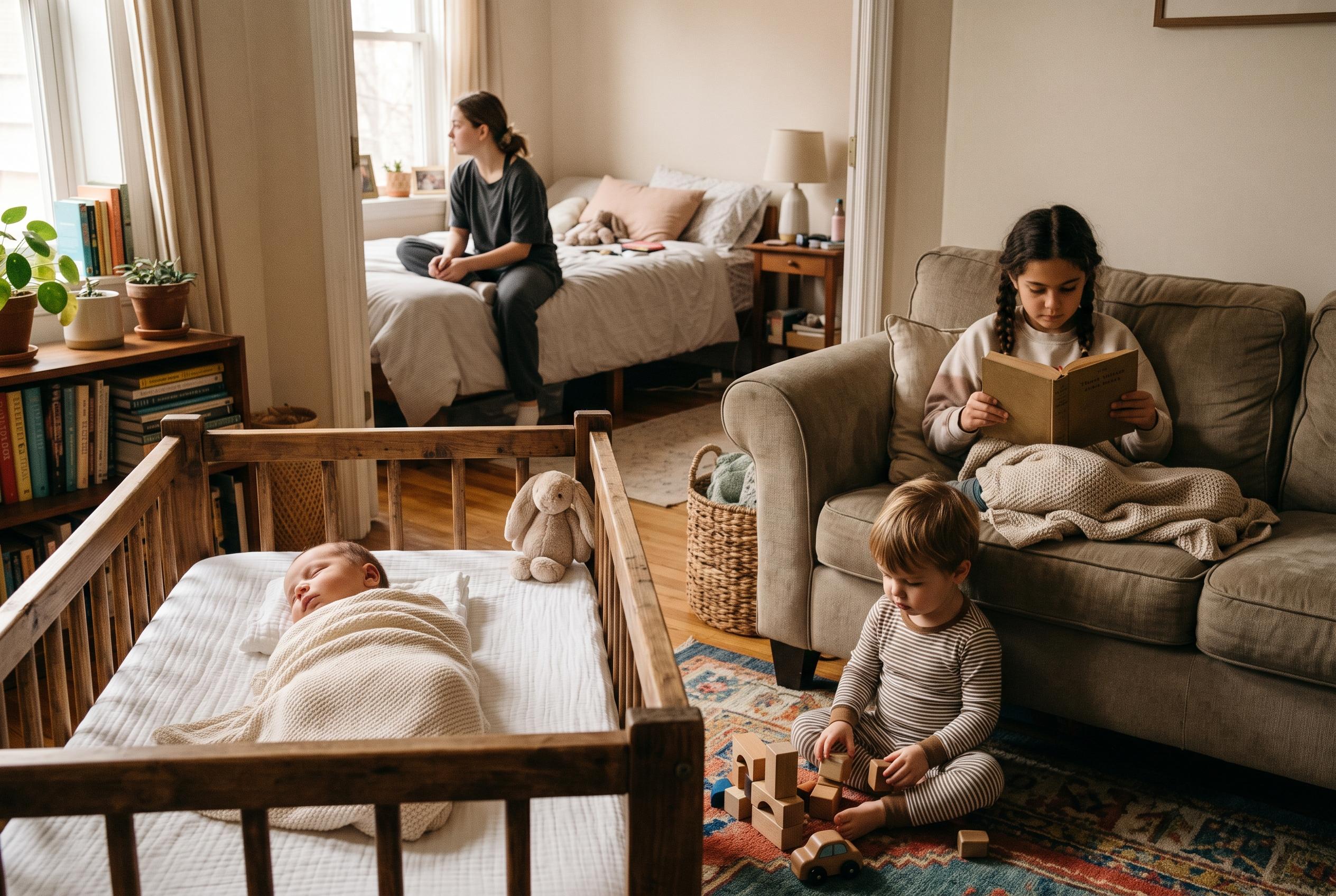

From newborns sleeping in short stretches to teenagers needing up to 10 hours, expert guidance sets out how much rest children need at every age.
Sleep needs change as children grow, but one point remains constant: enough rest is essential for healthy development. According to Cleveland Clinic, and drawing on guidance from paediatric sleep specialist Vishal Shah, children who sleep well tend to do better in attention, behaviour, learning, memory, emotional regulation, mental health, physical health and overall quality of life.
The American Academy of Sleep Medicine recommends that babies, children and teenagers get different amounts of sleep over a 24-hour period, depending on age. The ranges broadly match guidance from Mayo Clinic, HealthyChildren.org and the Sleep Foundation, which all stress that sleep should be measured across the whole day, including naps where relevant.
For newborns up to three months old, sleep can total anywhere from 11 to 17 hours a day, but there is no fixed pattern because babies at this stage do not yet reliably distinguish night from day. CHOP and HealthyChildren.org describe this as a period of highly variable sleep, with rest spread across day and night in short stretches. Safe sleep advice is especially important here: babies should sleep on a firm, flat surface, without loose bedding or padded crib bumpers, and should not share a bed with adults.
From four to 12 months, the recommended total rises to 12 to 16 hours, including naps. By then, many infants begin settling into a more regular rhythm, and some can sleep six to eight hours at night before adding one, two or three naps during the day. Cleveland Clinic says most healthy babies in this age group no longer need overnight feeds unless a clinician has advised otherwise.
Toddlers aged one to two years generally need 11 to 14 hours of sleep, while preschool children aged three to five need 10 to 13 hours. In these years, daytime naps often fade gradually rather than stopping all at once. Sleep experts quoted by Cleveland Clinic say a consistent bedtime routine, clear limits and positive reinforcement can make the transition easier, while a quiet period in the afternoon can help a child who is dropping naps.
School-age children from six to 12 years need 9 to 12 hours. At this stage, good sleep matters not only for mood and behaviour, but also for classroom performance. Mayo Clinic and the Sleep Foundation say too little rest can make it harder for children to concentrate, learn and manage emotions, and may also affect participation in sport and other activities. Research cited in a systematic review on preschool children found that better sleep quality and duration were linked with improved cognitive and behavioural outcomes, though the effects were modest.
Teenagers aged 13 to 18 need 8 to 10 hours, yet many do not get it. Cleveland Clinic says academic demands, homework, jobs, extracurricular activities and social schedules often push sleep down the priority list, leaving many adolescents chronically tired. That becomes especially concerning once they begin driving: sleepiness behind the wheel is a major safety risk for younger drivers, and experts warn that fatigue can quickly become a dangerous cycle.
Disclaimer: This content is for informational purposes only and is not intended to be a substitute for professional medical judgment, advice, diagnosis, or treatment.



