


Repeated outbreaks, school closures and concern over serious complications are intensifying pressure on India to add mumps protection to its national immunisation programme.
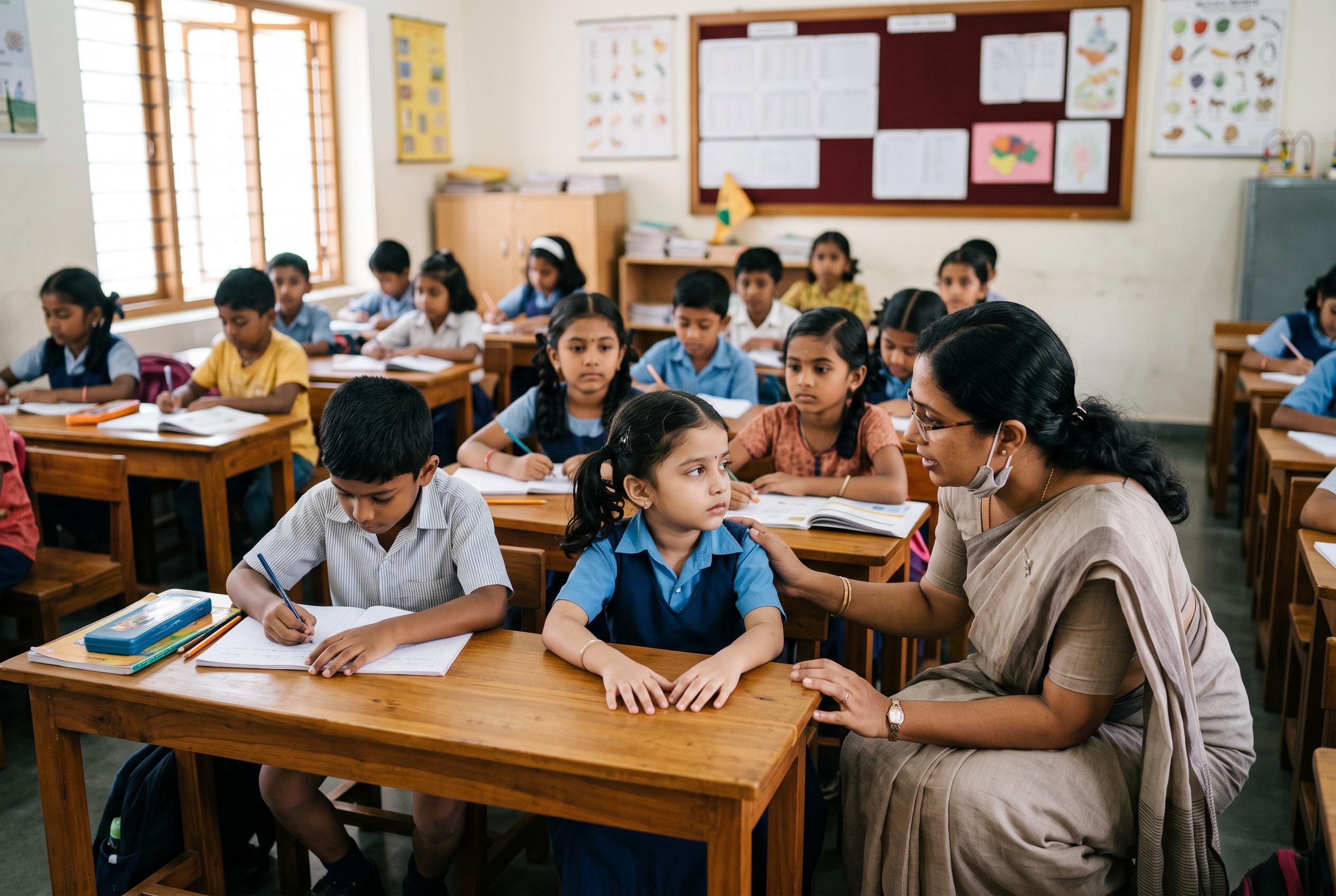
The continuing rise in mumps cases in Kerala has revived pressure on the Indian government to add the mumps-containing MMR vaccine to the Universal Immunisation Programme, as outbreaks keep disrupting schools and hostels and prompting fresh concern among paediatricians and public-health experts. According to reports from the state, infections have surged since late 2023, with tens of thousands of cases recorded in 2024 and 2025 and thousands more already logged this year. In July, one school in Alappuzha was shut for 21 days so that health authorities could contain spread during the incubation period, while online classes were arranged to keep lessons going.
The debate over vaccine policy has sharpened because the current national programme still offers only the measles-rubella shot, which does not protect against mumps. Paediatricians and the Indian Academy of Paediatrics have argued for years that this leaves a gap in childhood protection, especially as outbreaks recur in several states. The Health Ministry has said decisions on vaccines under the Universal Immunisation Programme take account of disease prevalence, death rates, effectiveness and cost-effectiveness. But doctors counter that the disease burden is being underestimated because complications, disability and long-term outcomes are not fully documented.
That argument gained force after a September 2026 study in the journal Infection, Genetics and Evolution found that mumps viruses circulating in Kerala during 2024-25 belonged to genotype C, which differs genetically from the genotype N strain used in the vaccine. The researchers said continued molecular surveillance was needed to track viral change and assess the vaccination strategy, while also stressing that the genetic differences alone do not prove the vaccine is ineffective. They added that outbreak patterns and serological evidence still point to a substantial disease burden and to a gap in prevention if mumps remains outside the state-funded programme.
Doctors involved in the debate say the illness should not be dismissed simply because deaths are uncommon. They argue that mumps can bring serious complications, including pancreatitis, encephalitis, meningitis and hearing loss, and that its wider social cost includes missed school days and medical expenses. Supporters of adding the vaccine say the issue should be judged not just on the price of a dose, but on the broader cost to families and the health system.
Disclaimer: This content is for informational purposes only and is not intended to be a substitute for professional medical judgment, advice, diagnosis, or treatment.



