

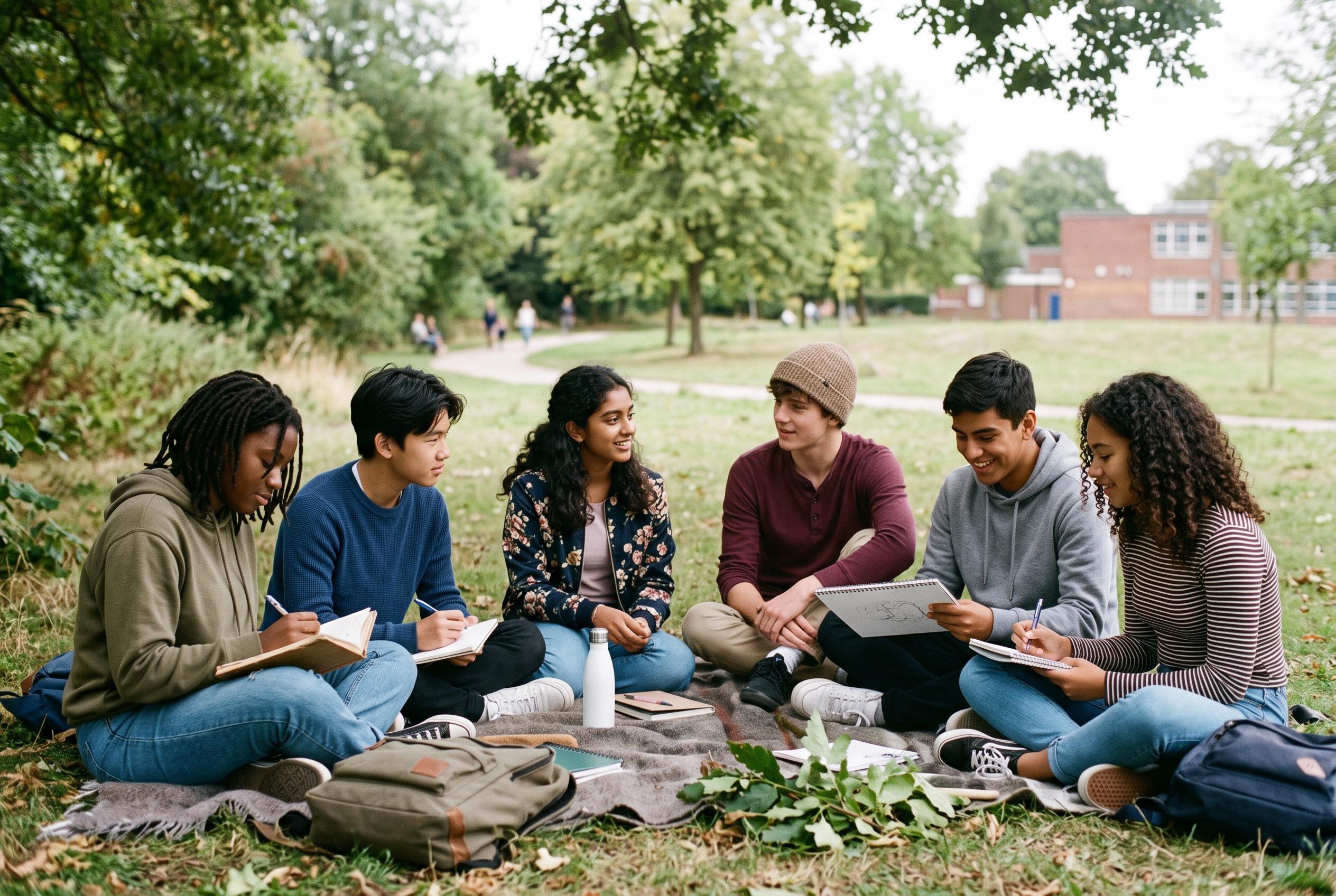

Studies suggest that gratitude is linked to stronger positive emotions, healthier coping and fewer behavioural problems among adolescents, while simple practices may help support wellbeing.
Gratitude may do more than simply make people feel good. Research on adolescents suggests it can support emotional well-being, strengthen positive emotions and help young people respond to stress in more constructive ways. That matters because adolescence is a period when mood, behaviour and coping habits can become harder to manage, and patterns formed at that stage can shape mental health later on.
A study published in Frontiers in Psychology examined how gratitude relates to problem behaviour among Chinese teenagers. The researchers found that gratitude was associated with more helpful ways of coping and fewer harmful ones, lending support to the idea that thankful thinking can influence how young people interpret difficult events and respond to them. The findings fit with earlier work on positive emotions, which argues that beneficial feelings can broaden thinking and help people build resilience over time.
Other studies point in the same direction. Research indexed by PubMed found that gratitude in adolescents was linked with greater positive affect, life satisfaction, optimism, social support and prosocial behaviour, while also being associated with fewer physical symptoms. A separate study in early adolescents reported similar results and noted gender differences, suggesting that gratitude may affect boys and girls in slightly different ways, even if the overall pattern remains broadly positive.
Experimental evidence also suggests that gratitude can be taught. Studies of exercises such as “counting blessings” and gratitude letter writing found improvements in optimism, life satisfaction and positive mood, alongside reductions in negative affect. One intervention study reported that a gratitude practice led to measurable gains in well-being among early adolescents, showing that simple reflective exercises can have practical value when they are used consistently.
For parents, teachers and counsellors, the message is not that gratitude solves every problem. It is better understood as one useful tool within a wider approach to emotional support. Encouraging young people to notice sources of support, recognise positive experiences and name what is going well can help them develop healthier coping habits. But when behaviour becomes aggressive, persistent or overwhelming, gratitude should complement, not replace, professional help. Used well, it can help adolescents build a more balanced view of their lives without denying the real difficulties they face.
Disclaimer: This content is for informational purposes only and is not intended to be a substitute for professional medical judgment, advice, diagnosis, or treatment.



