

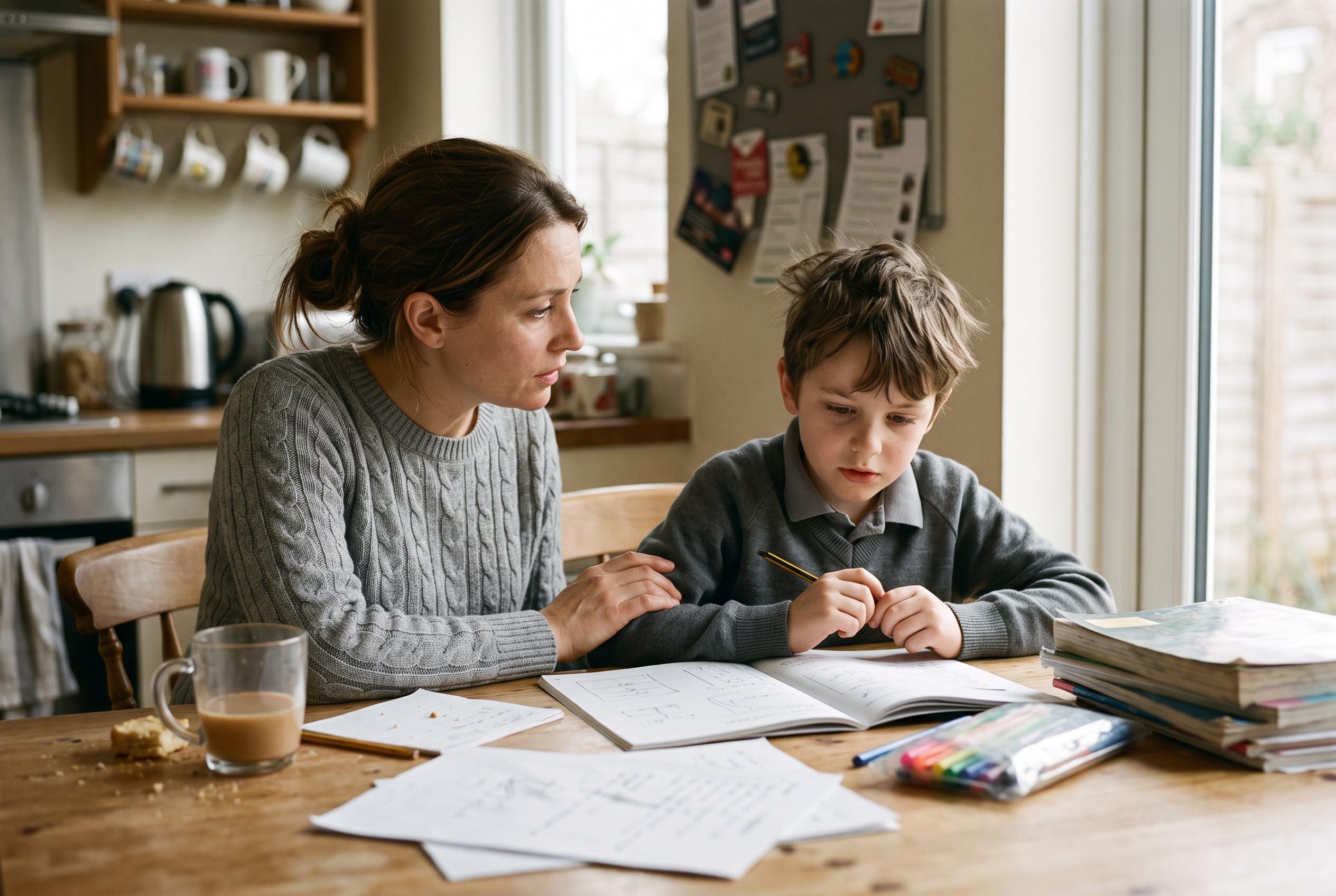

Poor grades can reflect learning difficulties, disorganisation or emotional distress. Parents should identify the cause before deciding how to support a child.
Children who struggle at school are not all experiencing the same problem, and parents often need to work out first whether the issue is academic, emotional or both. According to the lead article, poor marks can stem from slow comprehension, weak organisation, a dislike of a subject, a learning disorder or stress linked to the school environment. That distinction matters because a child who wants to learn needs different support from one who is actively withdrawing from school.
The article quotes psychologist Vincent Joly as saying there are really two broad situations: a child who is trying but finding school hard, and a child who is refusing school altogether. In the first case, he recommends starting with the teaching team to identify what is going wrong, while also speaking with a doctor if there is concern about a possible learning difference. KidsHealth similarly advises parents to talk both with the child and the teacher, and to involve a healthcare professional if attention, learning or physical health issues may be getting in the way.
Practical help can make a difference, but it needs to be realistic. The lead article says parents can review lessons with their child, teach study methods and, where possible, consider private tutoring. GreatSchools notes that children with learning difficulties often benefit from explicit instruction in how to study and take tests, rather than being left to work it out alone. Just as important, the lead article warns against spending several hours a day on homework, because too much pressure can leave a child discouraged rather than supported.
When a child no longer wants to go to school, the response should be different and more cautious. Healthy Children, the American Academy of Pediatrics’ parent resource, says school refusal can show up alongside physical symptoms linked to anxiety, such as headaches, stomach pain, nausea, dizziness or breathing difficulties, especially on school days. The lead article echoes that warning, saying parents should pay close attention if a child says they hate school and also shows signs of stress or distress. Bullying, phobia and broader emotional suffering can all sit behind failing performance.
In that situation, the goal is not simply to push harder, but to understand what is making school feel unbearable. The lead article suggests helping the child invest in another activity outside school so their confidence does not collapse, and considering a backup plan if the school setting itself is harmful. That might mean changing schools, shortening the academic path or opening the door to a more vocational route. YourChild.org also stresses that parents should not wait for a child to fail completely before seeking classroom support, and Youth Ranch recommends acting early, keeping communication open and bringing school staff into the process. If the distress continues, the article concludes, it is wise to seek professional help.
Disclaimer: This content is for informational purposes only and is not intended to be a substitute for professional medical judgment, advice, diagnosis, or treatment.



