

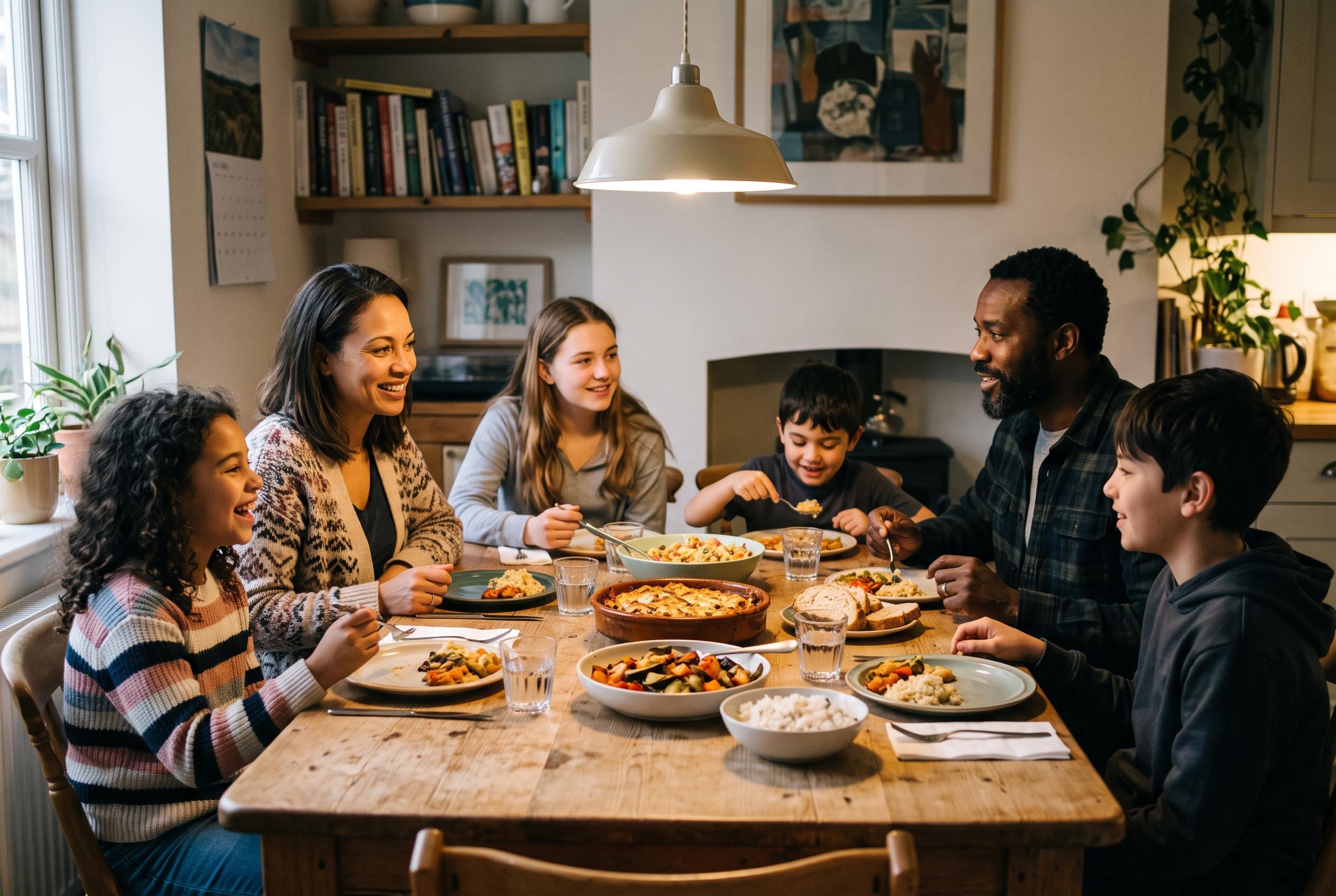

Advance planning, flexible menus and less pressure at the table can help families manage picky eating, competing preferences and busy schedules.
Family dinners can look simple from the outside: food on the table, everyone seated, and a brief pause in the day. In practice, though, the meal is often where competing appetites, expectations and schedules collide. HealthyChildren.org says many of the most common food hassles begin long before the plates are served, and that family meals work best when parents plan ahead and keep the atmosphere calm and predictable.
One of the most familiar flashpoints is the sudden refusal of a dish that was perfectly acceptable last week. Children’s tastes can shift from day to day, and what one evening seemed fine may be rejected the next. The American Academy of Pediatrics, writing on HealthyChildren.org, advises parents to expect that kind of inconsistency and to avoid turning it into a power struggle. A clearer routine, such as sharing the menu earlier in the week, can reduce surprises and give children a chance to prepare for what is coming.
A close cousin to that complaint is the request for a completely different meal once dinner has already been cooked. That can leave parents feeling as though they have started a second shift in the kitchen. HealthyChildren.org recommends involving children in meal planning and keeping the options realistic, rather than trying to satisfy every last preference at the moment food is served. The same advice applies to food jags and picky eating, which can narrow a family menu until the cook feels boxed in.
Preferences can become even harder to manage when several people at the table want different versions of the same dish. One child may want sauce on the side, another may refuse onions, and someone else may want a separate side. Health guidance from HealthyChildren.org and Penn State Extension both point towards a practical solution: offer some flexibility, but keep the menu simple enough that dinner does not become a custom-order operation. Tacos, bowls and other build-your-own meals can help, because they allow choice without forcing the cook to prepare an entirely separate dinner for each person.
Another common friction point is the idea that everyone should finish what is on the plate. Parents may see leftover food as waste, while children may simply feel full. Penn State Extension notes that family meals work better when adults provide the food but do not use pressure to control how much a child eats. The emphasis should be on offering balanced choices and trusting appetite cues, rather than treating the table like a test.
Then there are the negotiations that have little to do with taste and more to do with leverage. A promise of dessert in exchange for more bites, or a running debate about whether one more spoonful is enough, can distract from the meal itself. HealthyChildren.org warns that food bargaining can create stress and undermine healthy habits. Keeping dessert separate from the main meal, and avoiding bite-by-bite deals, helps dinner stay a routine rather than a contest.
Even when everyone agrees on the food, the clock can still spoil the mood. Brown University Health says after-school activities and late work shifts are among the biggest obstacles to shared family meals, and Penn State Extension adds homework, lessons and household chores to the list. In households with packed schedules, the challenge is often not what to eat but when to eat it. Checking the family calendar before setting dinner time can make it easier to decide whether everyone can sit down together or whether a staggered meal is more realistic.
The case for family meals remains strong even when they are messy. HealthyChildren.org says regular shared dinners can support better nutrition and stronger family connection, but those benefits do not depend on perfection. A straightforward menu, a bit of advance planning and a willingness to let minor disagreements pass can make the evening feel less like a negotiation and more like a meal. Families may never eliminate every food battle, but they can make the table a little calmer, one dinner at a time.
Disclaimer: This content is for informational purposes only and is not intended to be a substitute for professional medical judgment, advice, diagnosis, or treatment.



