

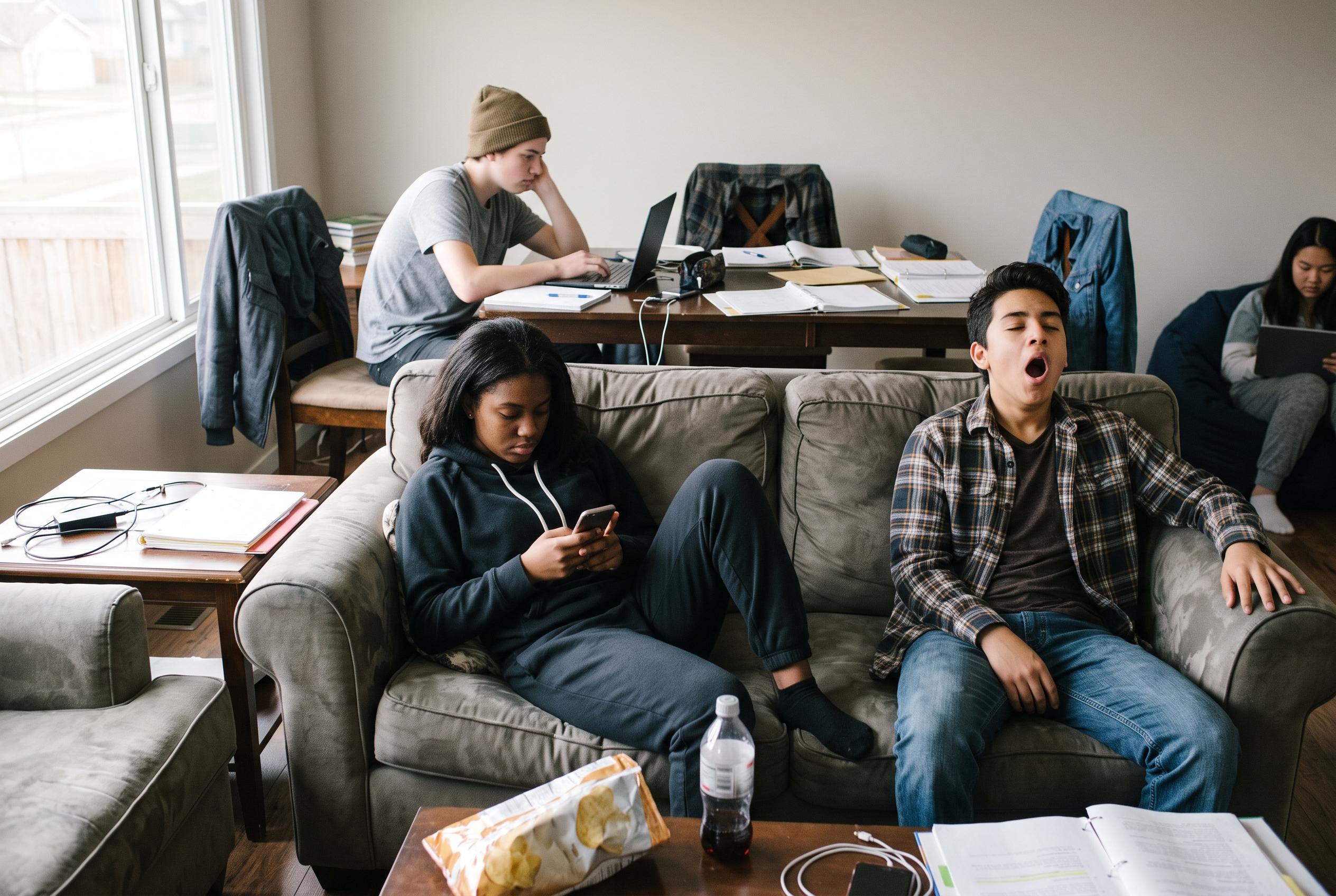

A study of 6,656 Chinese students found that clusters of poor sleep, inactivity, excessive screen use and unhealthy eating were linked to a substantially higher risk of developing anxiety and depression together.
A large study of Chinese teenagers suggests that unhealthy routines tend to cluster together and that those patterns may help predict who is most likely to develop anxiety and depression at the same time. Published in BMC Psychiatry, the research adds to growing evidence that adolescent mental health is shaped not just by single behaviours, but by combinations of habits that reinforce one another over time.
The study followed 6,656 students across eight regions of China for a year, beginning in late 2021. Participants, with an average age of about 14, completed smartphone questionnaires in class covering 15 risky behaviours, including smoking, drinking, physical inactivity, poor sleep, late bedtimes, excessive screen use, skipping breakfast, low fruit and vegetable intake, and frequent fast food or sugary drinks. The researchers also screened for anxiety and depression at the start of the study and again a year later.
By the end of the follow-up period, 13.6% of the teenagers met the screening threshold for both conditions. Rates were higher among girls, among students reporting a heavy academic burden, among those from poorer households and among teenagers with two or fewer friends. Using statistical modelling, the researchers identified four broad lifestyle profiles: a low-risk group, a group marked mainly by poor diet, a sedentary and screen-heavy group, and a smaller group with multiple unhealthy habits across most of the measures.
The strongest warning sign came from the last two categories. Teenagers in the sedentary and screen-heavy group, as well as those with multiple unhealthy behaviours, were significantly more likely to develop coexisting anxiety and depression than those in the low-risk group, even after the analysis accounted for family income, friendships, school pressure and family history of depression. The risk rose with the number of unhealthy habits, and students with seven or more had nearly three times the odds of later anxiety and depression compared with those reporting three or fewer.
The pattern held even when the researchers removed the suicide-related questions from the behaviour list, suggesting that the link was not being driven simply by those items. The authors say the findings point to a broader behavioural vulnerability in adolescence, where poor sleep, low activity, excessive screen time and unhealthy eating may combine to weaken mental well-being. Because the study was observational and relied on self-reported answers, it cannot prove cause and effect, but it does indicate that schools and health services may be more effective if they target clusters of habits rather than treating each one in isolation.
Disclaimer: This content is for informational purposes only and is not intended to be a substitute for professional medical judgment, advice, diagnosis, or treatment.



