

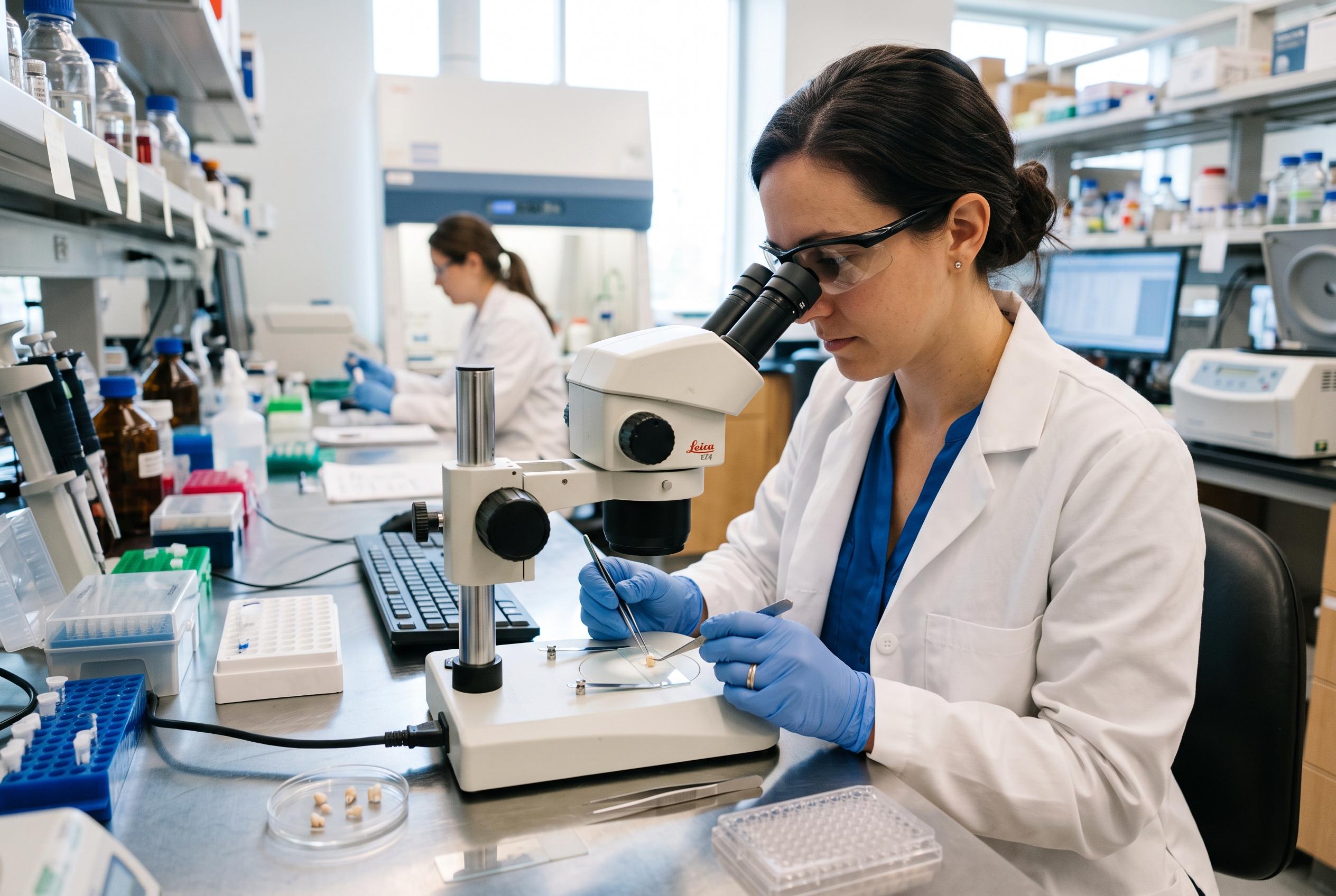

Analysis of donated teeth found substantially different chemical profiles in children with autism, but researchers caution that the preliminary findings do not show any exposure caused the condition.
A small study has given researchers a new way to look at autism and early-life chemical exposure: baby teeth. By analysing donated teeth, scientists found markedly different chemical patterns in children with autism compared with typically developing children, according to the study published in Neurotoxicology and Teratology. The work does not show that any of the chemicals caused autism, but it does strengthen the case for further research into how prenatal and early childhood exposures may fit into the condition’s wider mix of genetic and environmental influences.
Baby teeth begin to form during pregnancy and continue developing through early childhood, which makes them unusual biological records. As Lynne P. Heilbrun, the study’s lead author, told researchers, teeth can preserve a cumulative history of exposure over time, unlike blood or urine, which usually reflect only a short window. In this study, the team examined donated teeth from 38 children, including 22 with autism and 16 who were typically developing, using both targeted and untargeted chemical screening to search broadly for compounds rather than testing only a fixed list.
The results were striking, though they remain preliminary. The researchers detected about 300 chemicals per child on average, and among the 60 compounds found most often, 57 appeared at higher levels in the autism group. Nineteen of those compounds were significantly higher, while 39 were classed as possible developmental toxicants or endocrine-disrupting compounds. That terminology matters: it points to substances that may affect development or hormones, but it does not mean they are proven causes of autism.
Several of the compounds identified are linked to everyday consumer and industrial products, including pesticides, plasticisers and materials used in fragrances, food-contact items, personal-care products and flame-retardant applications. One highlighted compound, benzyl benzoate, can be used in fragrances and as a food preservative, while the study also identified organophosphate esters, a group found in a range of consumer and industrial settings. Even so, the researchers did not trace any exposure back to a specific brand, product or household source, so the findings cannot be used to pin blame on a particular bottle, package or cleaning item.
The study also noted 11 compounds associated with baby bottles, and five of the nine chemicals that most strongly distinguished the two groups were capable of migrating from bottle materials. But that should be read cautiously: the researchers did not test the children’s bottles, did not know which brands families used and could not determine whether the chemicals came from bottles at all. The Food and Drug Administration has already said BPA-based materials are no longer authorised for baby bottles, sippy cups or infant formula packaging in the United States, which is important context when weighing the results.
The findings add to a growing body of research using shed teeth to explore autism-related biology. A 2024 exploratory study reported a different chemical profile in teeth from children with autism, and an earlier 2017 study found differences in lead and manganese patterns. Separate research on environmental factors has long suggested that autism likely reflects a complicated interplay of genetics, biology and exposure history. The CDC estimates that one in 31 U.S. children aged eight were identified with autism in 2022, underscoring why scientists continue to search for better tools to understand the condition. For now, the new tooth study offers not an answer, but a more detailed map of where future investigations may need to look.
Disclaimer: This content is for informational purposes only and is not intended to be a substitute for professional medical judgment, advice, diagnosis, or treatment.



