


Repeated refusal to attend school can signal anxiety, bullying, exhaustion or low mood. Experts say parents should look beyond discipline and seek support when the pattern persists.
In many families, the morning refusal sounds the same: a child says they are not going to school, and a parent answers that they must. What can look like simple stubbornness, however, may mask anxiety, exhaustion, bullying, low mood or a deeper problem with adaptation. Specialists cited by Aif.ru say the issue is often less about rejecting school itself than about trying to escape the feelings school provokes.
The warning signs vary with age. Younger children are more likely to struggle with separation from their parents, especially if the move from nursery to school was difficult. Older pupils may be pulled in another direction: lessons compete with friends, hobbies and life outside the classroom, while worries about failure, perfectionism and shame can make the school day feel unbearable. According to the MSD Manual and HealthyChildren.org, school avoidance is also commonly linked with anxiety and depression, and can come with physical symptoms such as headaches, nausea, dizziness or stomach pain.
Experts quoted by Aif.ru say the context matters as much as the emotion. Bullying, friction with a teacher, social isolation and pressure from a peer group all raise the risk of refusal. Research summaries from the National Center for Biotechnology Information note that school refusal can also be shaped by family anxiety, neurodevelopmental conditions and wider stress in the home or school environment. In practice, several causes often overlap, making the behaviour harder to decode from the outside.
Parents are urged not to treat every refusal as a discipline problem. Aif.ru reports that the key difference is often between a passing “I do not want to” and a more sustained “I cannot”. In the first case, the child may resist in the morning but still go to class after talking or resting, and daily life otherwise remains stable. In the second, the resistance is repeated and accompanied by exhaustion, loss of appetite, sleep disruption and withdrawal from activities that once brought pleasure.
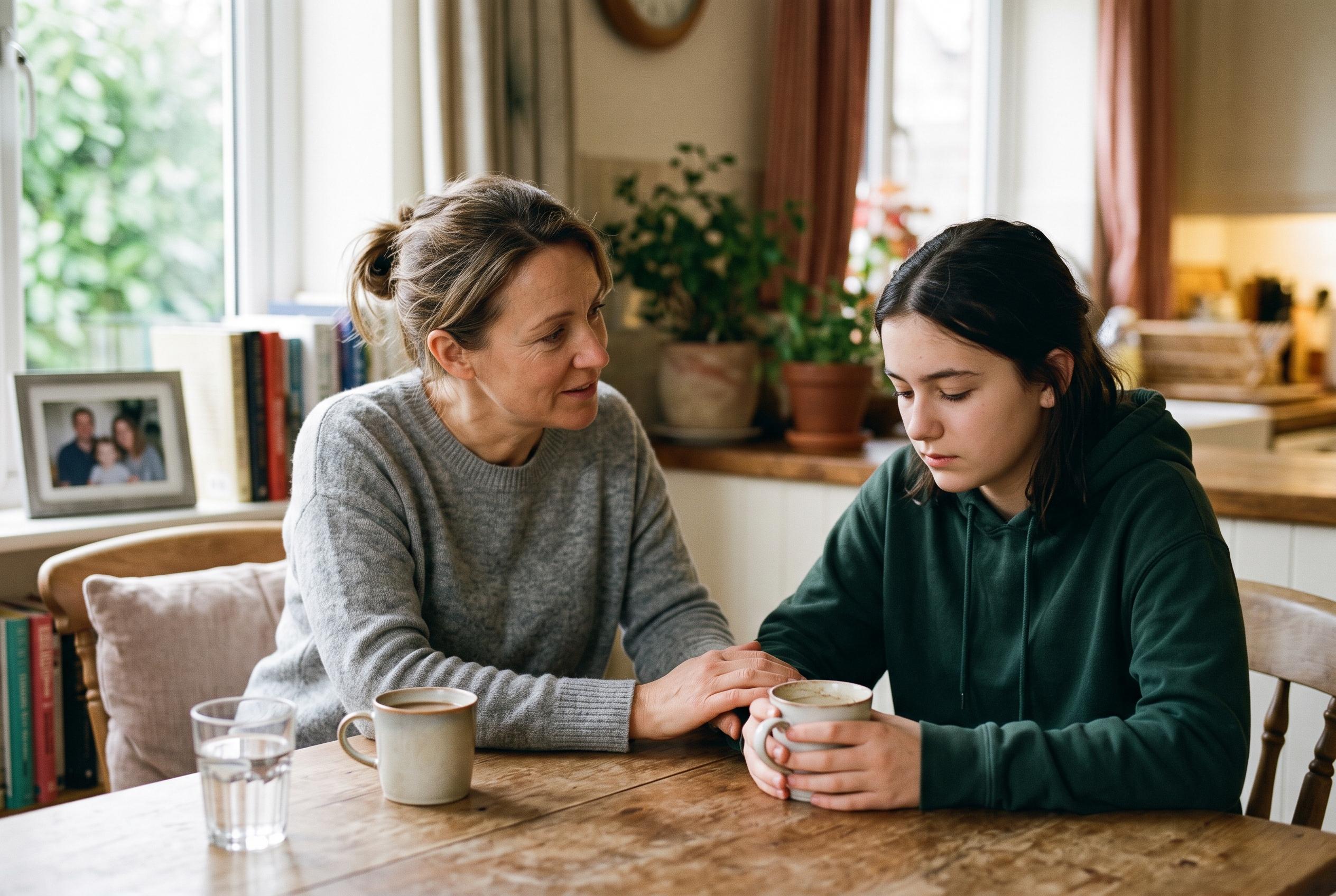
The advice from specialists is to reduce pressure rather than increase it. Open questions work better than interrogation, and adults should acknowledge fear or embarrassment instead of dismissing it. If bullying, a difficult teacher or social exclusion is involved, the school needs to be drawn in and concrete action demanded. If anxiety or perfectionism is driving the problem, the child may need psychological support; if the pattern continues for two weeks or more, or includes self-harm, suicidal thoughts or severe isolation, medical help should not be delayed.
Practical routines matter too. A stable home environment, regular meals, enough sleep and physical activity can all help lower stress. Aif.ru notes that sleep is especially important because it supports memory, recovery and emotional regulation, while exercise can reduce stress hormones and improve mood. The broader message is simple: a child who refuses school is not necessarily being difficult. Sometimes the refusal is a signal that something in their life is too heavy to carry alone.
Disclaimer: This content is for informational purposes only and is not intended to be a substitute for professional medical judgment, advice, diagnosis, or treatment.



