

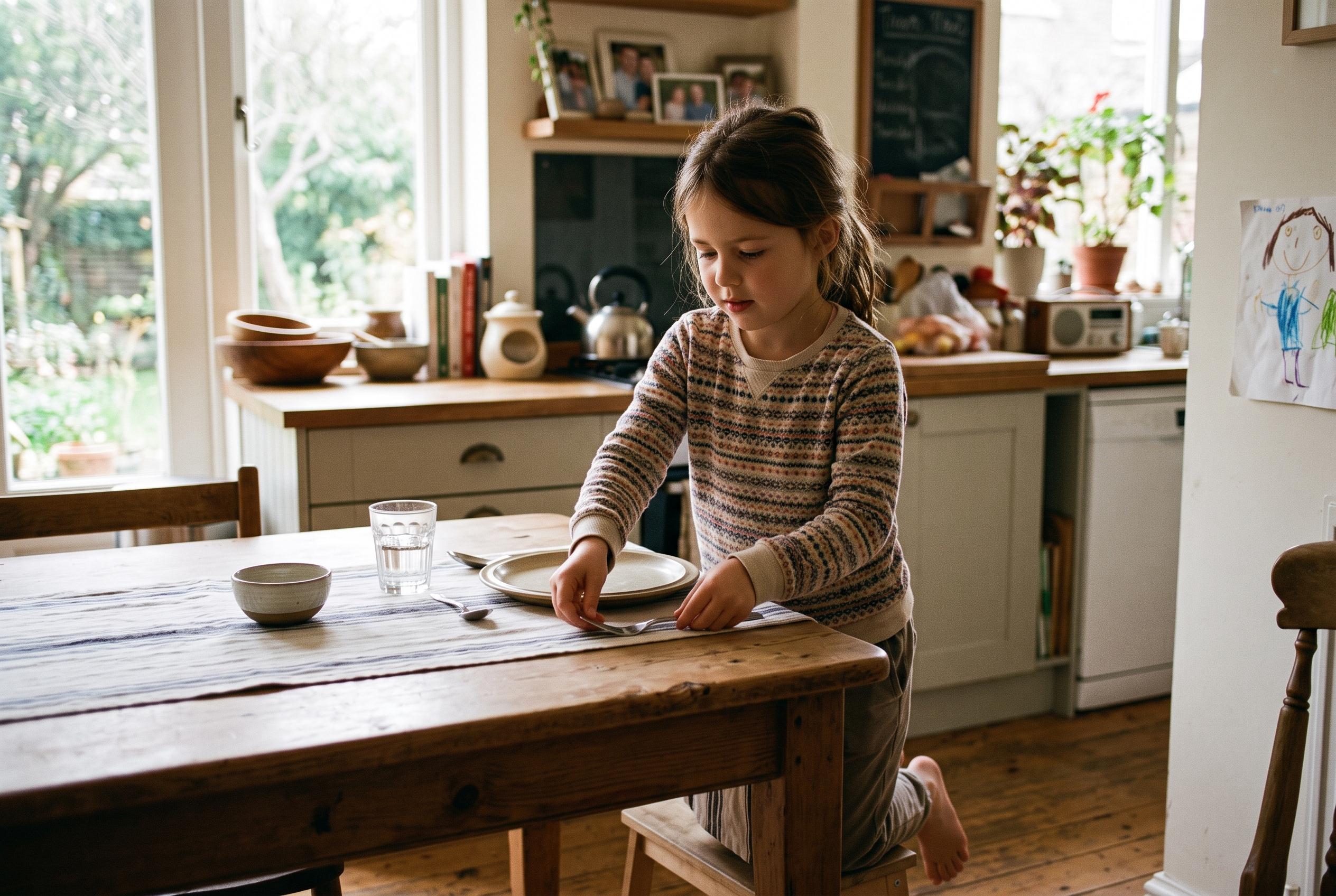

Small, age-appropriate tasks and low-stakes consequences can help children build confidence, independence and a lasting sense of responsibility.
Helping children take responsibility is less about perfect behaviour than about repeated practice. Small, real tasks can give them a sense of ownership, whether that means feeding a pet, putting clothes in the hamper, or packing a school bag the night before. The core idea, reflected in the lead article and echoed by HealthyChildren.org, is that responsibility grows when children are given work they can actually complete and are allowed to feel the consequences of forgetting a step.
Age matters, but maturity matters too. HealthyChildren.org and several family-education guides say the best chores are the ones that sit just above a child’s current ability, so the task feels meaningful without becoming overwhelming. For a preschooler, that might mean putting toys away, matching socks or helping to set the table. For a child in primary school, it could mean making the bed, watering a plant or helping to prepare a simple meal with supervision. The point is to start small, teach clearly and then step back.
Some of the most effective responsibility exercises turn daily routines into habits. A short chore chart can help a child track a handful of simple jobs, while picture cards can guide them through getting ready in the morning without constant reminders. The lead article also highlights “helper of the day” roles, toy libraries and promise trackers, all of which can make responsibility feel concrete rather than abstract. Pointsy and Kindos both note that visual systems and clear routines often work well because they reduce arguments and shift the reminder burden from parent to child.
There is also value in letting children manage ownership and consequence in low-stakes settings. If a lunch item is forgotten, or a school bag is not packed properly, the lesson can be more powerful than a lecture, as long as the situation is safe. The lead piece stresses fix-it practice: wiping up a spill, taping a torn page or saying sorry after a mistake. That approach matches child-development advice from HealthyChildren.org, which says chores should build competence and self-esteem rather than perfectionism.
Money, food and community tasks can extend those lessons beyond the home. The article suggests dividing a small allowance into spending, saving and giving jars, while older children can help plan and cook a simple family meal or join a neighbourhood clean-up. These activities teach delayed gratification, follow-through and the idea that responsibility reaches beyond personal preferences. As families and parenting guides point out, the goal is not to overload children with work, but to help them understand that they are capable, useful and trusted.
Disclaimer: This content is for informational purposes only and is not intended to be a substitute for professional medical judgment, advice, diagnosis, or treatment.



