

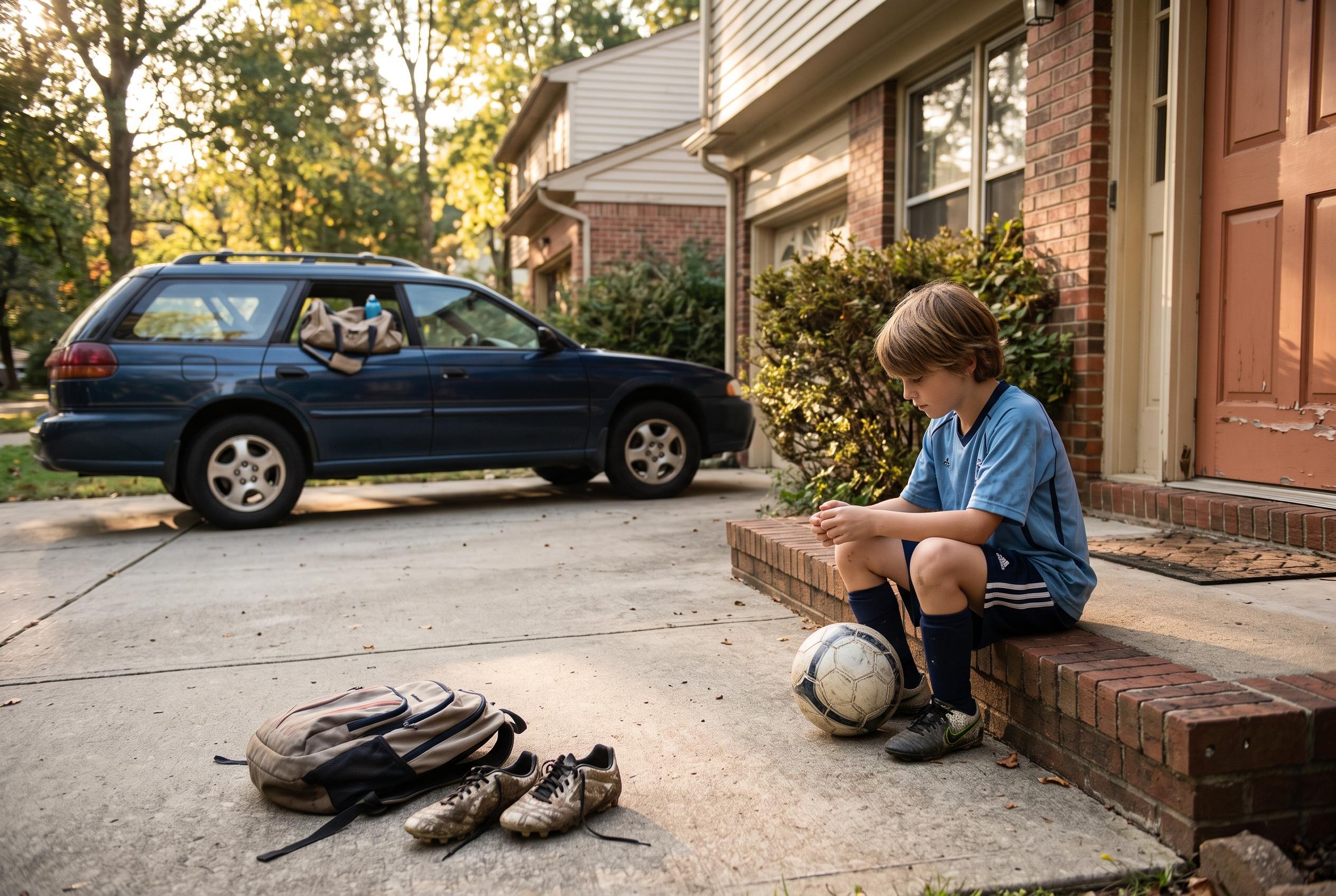

Registration fees are only the start: travel, equipment, coaching and scheduling are widening the gap between children who can play and those who cannot.
Youth sport is often sold as a route to fitness, confidence and social growth, but the chance to take part is far from equal. For many families, the deciding factors are not interest or talent but whether they can absorb the costs, find a lift to practice and fit sessions around work and childcare. As the focus on elite competition has grown, the gap between children who can easily join in and those who cannot has widened. Research summaries from youth sports and personal finance sites point to the same reality: participation now carries a bill that can quickly extend far beyond a basic sign-up fee.
The price of entry can include registration, kit, footwear, protective gear, coaching, tournament fees, travel and meals on the road. Kiplinger has reported that youth sport in the United States has shifted from modest local activity to a far more expensive system shaped by travel teams, private coaching and year-round play. Youth Sports Base and Sideline Plan both note that costs rise sharply when children play at more competitive levels, or when families have more than one child involved at the same time. That makes sport harder to sustain for households already balancing rent, food, transport and other essential outgoings.
Location and logistics can be just as important as price. A programme may look affordable on paper yet remain out of reach if practices are held miles away, begin too early for working parents or require a car that a family does not have. US Bank’s financial education guidance on youth sport stresses that the full cost picture matters, including transport and coaching, not only registration. Communities can ease that burden by placing activities in neighbourhood schools, parks and recreation centres, and by offering schedules that fit around family life rather than assuming every parent can reorganise work to match practice times.
Access also depends on what is available locally. Some communities offer multiple fields, pools and organised leagues; others provide very little. That uneven landscape shapes which sports children even encounter. One practical way to reduce the barrier is to create low-cost introductory clinics, short seasonal programmes and equipment libraries, so children can try a sport before a family commits to a larger financial outlay. Youth Sports Authority and Hyperaise both point to the scale of the spending involved in running programmes and the knock-on pressure that places on families, which is why schools and clubs often need more than goodwill alone to keep participation broad.
Solutions do exist, but they work best when they are specific. Equipment swaps, fee assistance, used-kit drives, lower-cost recreational leagues and scholarship support can all help, while fundraising can cover transport or supplies without shifting every expense on to parents. The wider lesson is that closing the youth sport participation gap requires more than trimming one fee. It means looking at cost, travel, scheduling, facilities and equipment together. When families have realistic ways to get children to sessions, borrow what they need and afford the basics, more young people get a fair chance to play.
Disclaimer: This content is for informational purposes only and is not intended to be a substitute for professional medical judgment, advice, diagnosis, or treatment.



