

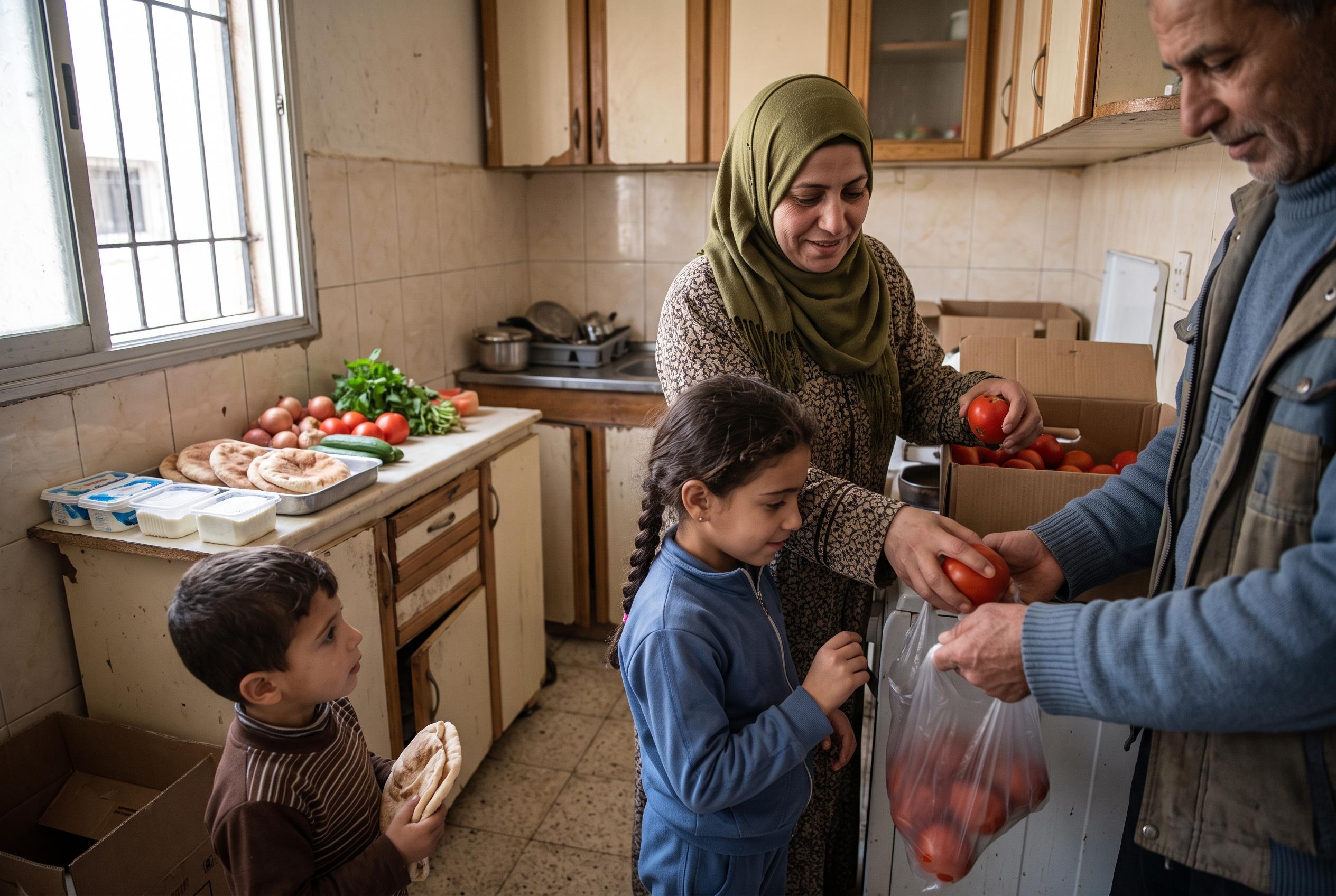

UNICEF says improved access to food since the ceasefire has eased acute malnutrition, but warns that stopping commercial imports could quickly put children at greater risk.
UNICEF has warned that recent progress in reducing malnutrition in Gaza remains fragile, saying any interruption to the flow of food and other essentials could quickly push children back into greater danger. The agency said the ceasefire has made it possible to bring in more aid and commercial goods, but it urged that all crossings stay open so supplies remain steady and predictable.
The concern intensified after Israel said on Wednesday that commercial goods would no longer be allowed into Gaza, citing a dispute over taxes involving local merchants and Hamas. According to UNICEF, the halt threatens a crucial source of food and basic items in a territory where most people rely on humanitarian assistance after years of war, repeated displacement and tight restrictions on aid deliveries.
Speaking in Geneva, UNICEF spokesman Ricardo Pires said children would feel the effects if the situation is not resolved and warned against any return to a period when families could not get the supplies and services they need. UNICEF’s latest analysis says acute malnutrition has eased since the ceasefire that began in October, helped by stronger food and nutrition operations, looser limits on food imports and the resumption of some commercial traffic, but the gains are still precarious. The agency said only one in three children under the age of two is getting enough dietary variety, while a June survey found chronic malnutrition affecting one in eight children under five.
UNICEF also said the wider humanitarian situation remains bleak. Its data show that 67% of Gaza’s population is facing crisis-level food insecurity or worse, including 212,000 people in emergency conditions, while earlier warnings from the agency and the World Food Programme said famine thresholds had already been crossed in parts of the enclave. UNICEF has called for sustained humanitarian access, a revived private sector and faster recovery efforts, alongside better shelter and basic services for the roughly 800,000 children still displaced as winter approaches.
Disclaimer: This content is for informational purposes only and is not intended to be a substitute for professional medical judgment, advice, diagnosis, or treatment.



