

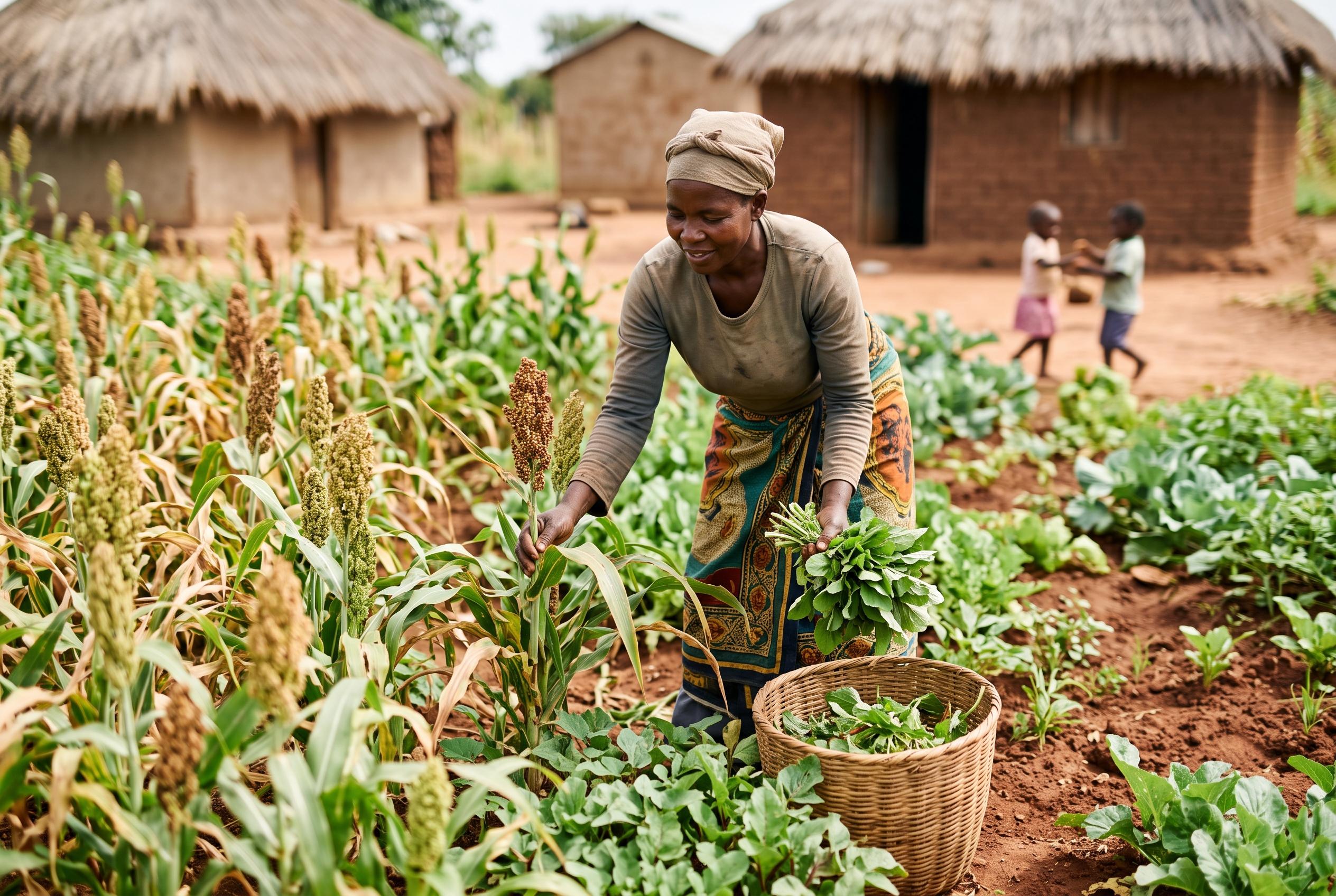

A plant-based therapeutic food made from crops widely grown in sub-Saharan Africa has shown promising early results, potentially reducing reliance on costly imported ingredients.
Every year on 16 October, the world marks World Food Day, a date set aside by the Food and Agriculture Organization of the United Nations to focus attention on hunger, malnutrition and the wider question of who can reliably access nutritious food. The FAO says the day was established in 1979 to coincide with the organisation’s founding in 1945, and it remains a reminder that food insecurity is still a daily reality for millions of people. According to the FAO, the day is also meant to galvanise action from governments, communities and businesses alike.
This year’s theme, “Innovation today. Food for tomorrow,” puts the emphasis on science, technology and practical solutions that can make food systems more resilient and more inclusive. The FAO says the aim is not only to raise production, but also to improve supply chains, reduce losses and waste, and strengthen diets while protecting land, water and biodiversity. The organisation also points to the value of traditional knowledge, arguing that innovation should help secure safe, varied and nutritious food now without undermining the needs of future generations.
The scale of the problem remains stark. The FAO says the world already produces enough food to feed everyone, yet 645 million people still face hunger and 2.69 billion cannot afford a healthy diet. The agency links that gap to conflict, climate stress, inflation and other shocks that are making food systems less stable and more expensive, particularly in lower-income countries. Those pressures have also left many children without access to the therapeutic foods needed to treat severe acute malnutrition.
That challenge is one reason researchers are looking to local crops for answers. A study involving the Hebrew University of Jerusalem, the University of Greenwich, the University of Kent, Benue State University and the University of Nottingham examined a high-protein therapeutic diet made from chickpeas, sorghum, maize and soybeans, all crops widely available in sub-Saharan Africa. The study focused on ready-to-use therapeutic food, a nutrient-dense paste used to treat severe acute malnutrition in young children, but one that often depends on imported ingredients such as powdered milk and peanuts, which can push up costs and limit supply.
The researchers reported encouraging preclinical results. Their plant-based formulation, which replaced milk and peanuts with chickpeas, maize and soy, appeared to support better recovery from malnutrition than a commercial peanut-and-milk product used in the comparison. The study found that the alternative had a higher protein share and a better protein-quality score, and it also showed signs of helping with catch-up growth, both in weight and linear growth. That raises the possibility that future versions could address not only acute malnutrition but also longer-term growth failure.
The findings are still early and will need to be confirmed in clinical trials before any firm conclusions can be drawn about use in children. Even so, the researchers say the work points towards a potentially important shift: therapeutic foods that are cheaper, more locally sourced and less dependent on global supply chains. In the context of World Food Day, that argument fits neatly with the FAO’s broader message that ending hunger will require not just more food, but smarter, fairer and more sustainable ways of getting it to the people who need it most.
Disclaimer: This content is for informational purposes only and is not intended to be a substitute for professional medical judgment, advice, diagnosis, or treatment.



