


Research is challenging the blanket warning against exercising after work, suggesting that workout intensity, timing and individual sensitivity matter more than the clock.
The old warning against evening exercise is looking increasingly shaky. For many people, a workout after work does not sabotage sleep at all; in some cases, it may even help the body and mind unwind. A French article based on recent research argues that the main issue is not a fixed clock time such as 6 pm, but the intensity of the session, how close it ends to bedtime, and how sensitive the individual is to stimulation.
Recent reviews support that more flexible view. A systematic review and meta-analysis published in August 2026 found no clear advantage for morning exercise over evening exercise across most sleep measures, although evening activity was linked to slightly more wakefulness after falling asleep. Another comparative review, published in 2026, came to a similar conclusion, saying evening exercise did not meaningfully worsen sleep quality overall and that moderate sessions can fit into everyday routines without harm. Earlier evidence points in the same direction: a 2019 meta-analysis reported no significant impact from evening exercise in healthy people, provided it was not too close to bedtime.
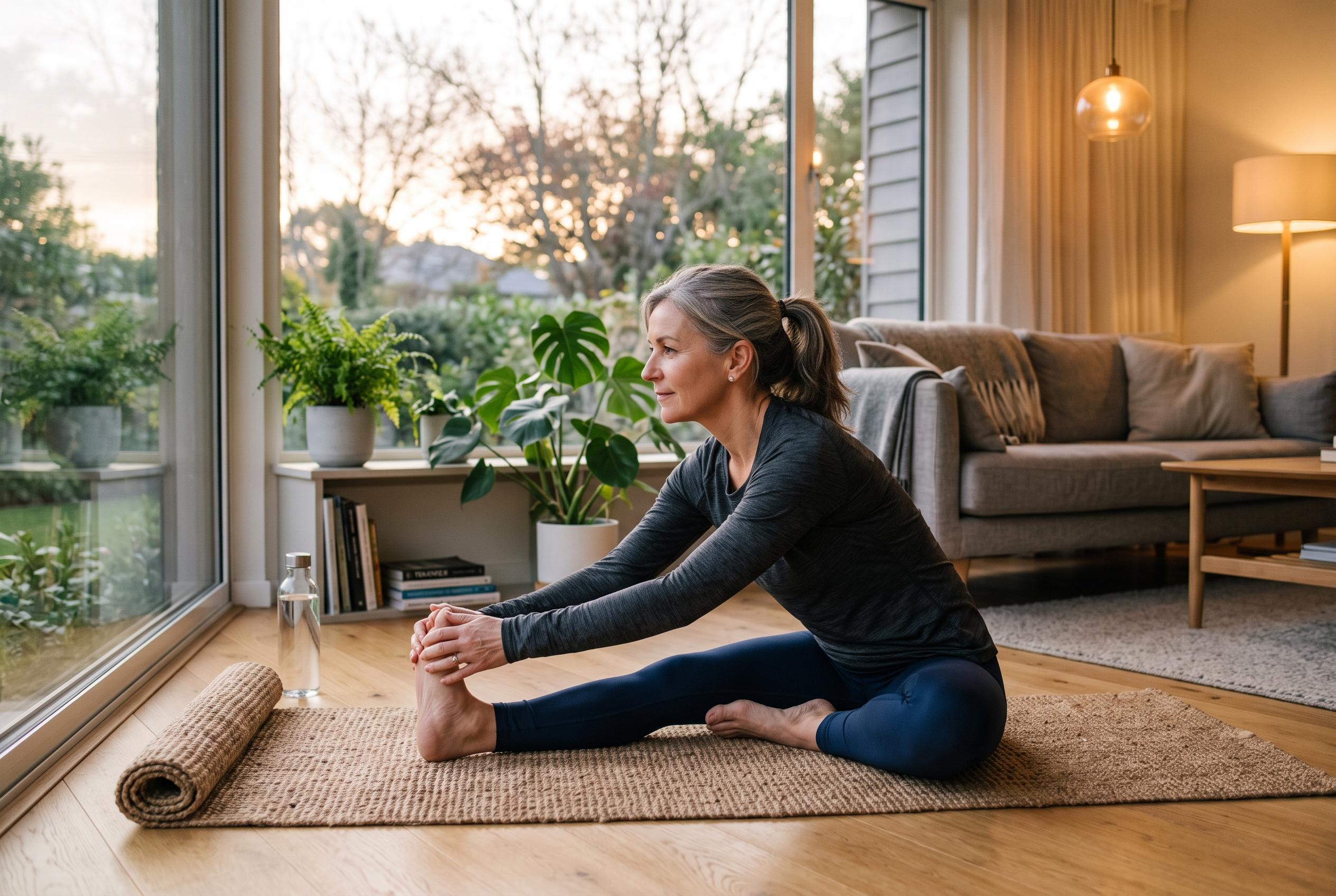
Where the research becomes more nuanced is intensity. A 2022 network meta-analysis found that moderate evening exercise did not significantly harm sleep quality, while high-intensity sessions were associated with a small decline. More recent work in 2025 echoed that pattern, suggesting that moderate exercise improves sleep quality regardless of when it is done. In practical terms, that means a brisk walk, easy cycle ride or yoga session late in the day is unlikely to be a problem for most people, whereas a hard interval workout finished just before bed may keep the body too alert.
That is because strenuous activity raises body temperature and activates the nervous system, both of which can make it harder to drift off immediately. Sleep specialists generally advise allowing a buffer of around two to three hours after a demanding session before going to bed. But the right answer still depends on the person. Someone who is tired but wired after a stressful day may benefit from a gentle workout that helps lower tension, while another person may need a longer cooling-off period before sleep.
The practical lesson is simple: do not assume that evening exercise is the enemy of rest. The better approach is to watch how your own body responds over several nights, paying attention to the type of workout, how late it ended, and how you slept afterwards. If sleep problems persist, the issue may have more to do with stress, late meals or screen time than with exercise itself.
Disclaimer: This content is for informational purposes only and is not intended to be a substitute for professional medical judgment, advice, diagnosis, or treatment.



