

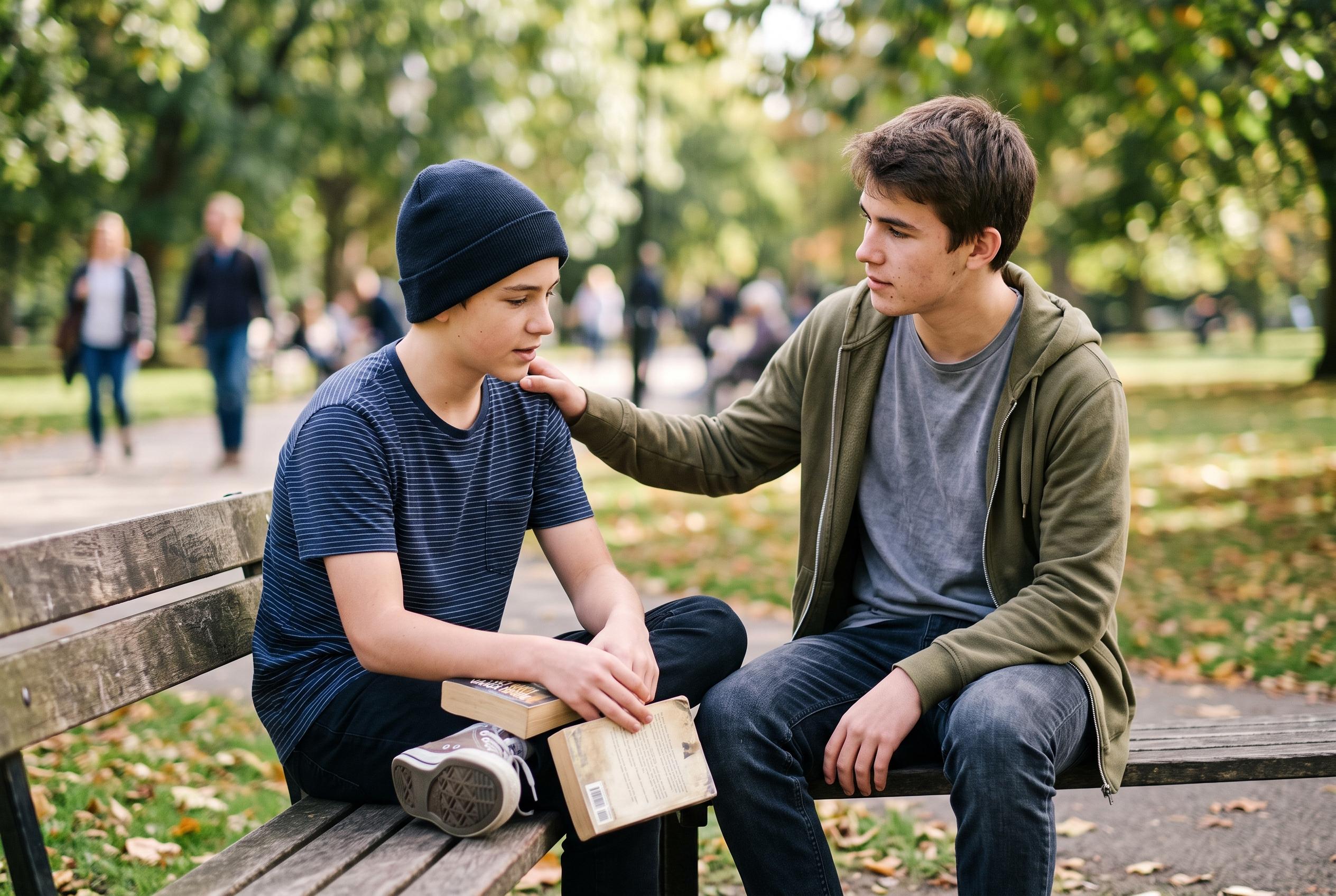

As teenagers seek greater independence, older brothers and sisters can offer relatable advice, emotional support and a model for navigating life beyond the family home.
As adolescents push for more independence from parents, they often turn to friends, romantic partners and their own emerging identities for direction. Yet Psychology Today says one of the most useful guides in that period may already be at home: an older sibling who can offer perspective, reassurance and a more relaxed kind of advice than a parent sometimes can.
The relationship between siblings often changes in the teenage years, with less day-to-day time together but no drop in importance. Research summarised by Psychology Today suggests many adolescents still share personal thoughts and everyday experiences with siblings regularly, including school, media, friendships and future plans. Penn State University has also written that older brothers and sisters often act as gateways to adolescent culture, introducing younger siblings to new experiences and serving as early role models.
That influence can be especially strong because older siblings are usually the first in the family to face certain milestones, from navigating peer pressure to dealing with romance, school demands and decisions about later life. Psychology Today notes that this gives them a kind of built-in credibility with younger siblings, who may see them as mentors or sounding boards rather than authority figures. Children’s and family services group JCFS has likewise described sibling relationships as a stabilising support during the move towards adulthood, when teenagers are trying to separate from parents without feeling entirely on their own.
The benefits are not always the same for every family, though. Psychology Today reports mixed findings on whether an older sister or an older brother has more influence, but some studies suggest same-sex siblings may offer more guidance because they can relate more easily to one another’s experiences. Older sisters, in particular, are often described as close confidants for younger sisters and may give more detailed advice about dating and relationships.
Beyond emotional support, older siblings can shape how younger teenagers think and act. According to the sources reviewed by Psychology Today, younger siblings often learn by watching what older siblings do and what happens next, which can affect everything from social skills and body image to athletic, artistic and academic interests. Other summaries, including one from Fiveable, note that sibling relationships can also help teenagers practise empathy, conflict resolution and other social skills they will need outside the home. In that sense, an older sibling can be more than family company: they can be one of the first and most influential teachers a young person has.
Disclaimer: This content is for informational purposes only and is not intended to be a substitute for professional medical judgment, advice, diagnosis, or treatment.



