


Paediatrician Dr Whitney says warmth, clear boundaries, emotional repair and unstructured play matter more than keeping up with the latest parenting advice.
In a landscape crowded with competing parenting tips, Dr Whitney argues that most of the noise matters far less than people think. In a solo episode on her Modern Mommy Doc podcast, the paediatrician said she keeps returning to a small set of evidence-based principles that hold up in both research and family life. She framed the question not as how to follow every trend, but as how to build relationships and habits that actually help children thrive.
At the centre of her approach is responsiveness. The American Psychological Association describes authoritative parenting as a balance of warmth, support and firm boundaries, and that broad framework echoes much of Whitney’s message. She pointed to small, ordinary exchanges, such as noticing a child’s feelings, mirroring them back and engaging in back-and-forth conversation, as the kind of interaction that helps children feel seen. Harvard’s Centre on the Developing Child has described these “serve and return” exchanges as important for healthy brain development, language acquisition and later learning.
Whitney also stressed that meeting children in moments of distress is not the same as giving in. Drawing on the work of child development expert Tina Payne Bryson, she argued that comforting a child through a meltdown is a way of teaching safety and connection, not abandoning boundaries. That distinction matters because parents often confuse emotional attunement with permissiveness. In fact, the research-backed style she favours is closer to authoritative parenting than to either strict control or anything-goes lenience. Sources such as the APA and StatPearls describe authoritative parents as warm but consistent, with clear expectations and explanations.
Another theme was self-regulation, which Whitney said children learn partly by watching how adults handle their own frustration. Paediatric and psychology sources alike note that responsive caregiving and clear limits support healthier development, but Whitney added an honest reminder: parents will lose their temper sometimes. What matters, she said, is recognising what went wrong, returning to calm and repairing the moment with self-compassion. She also advised setting limits for parents themselves, especially around rest, screen time and the invisible load of constantly being available.
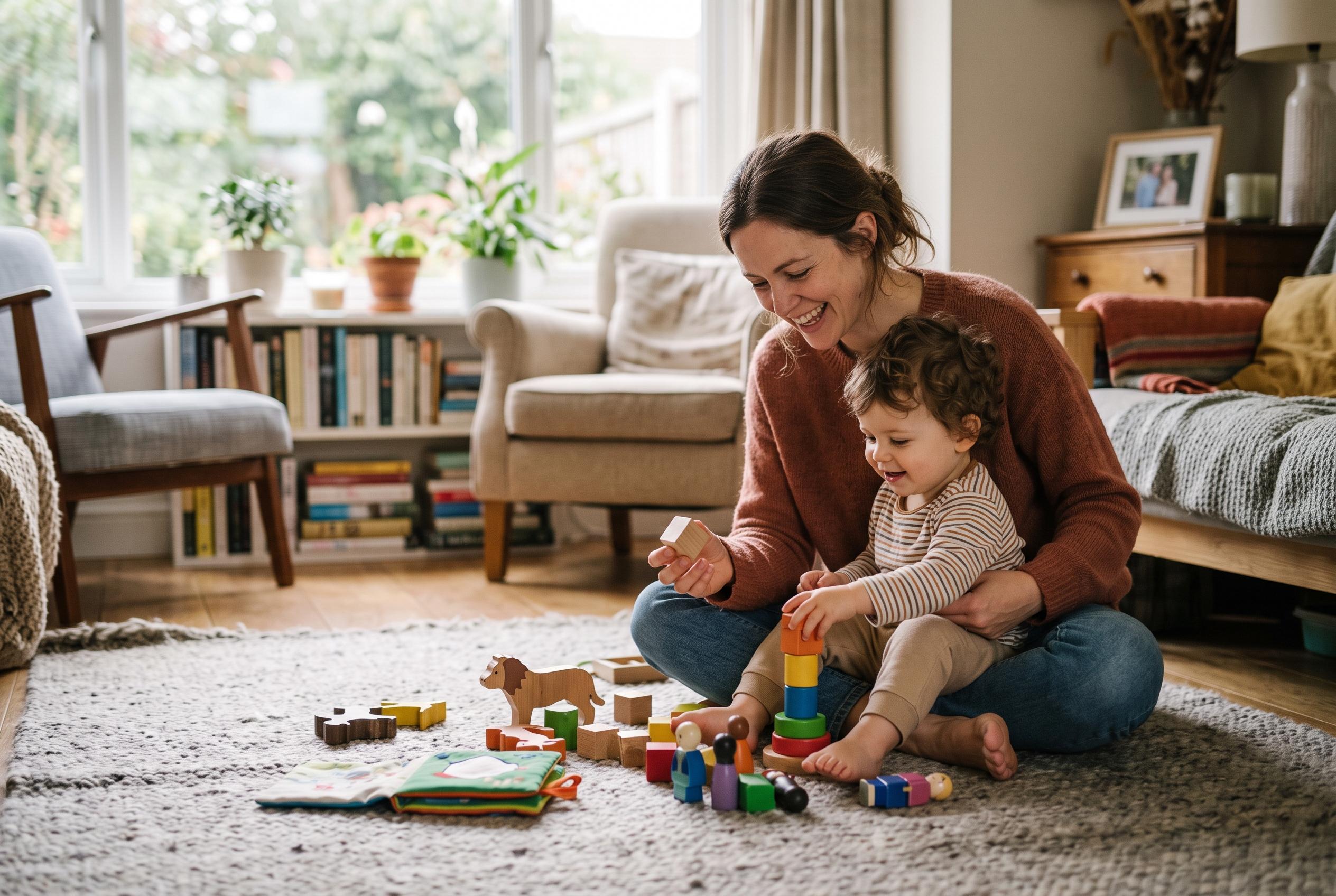
Whitney reserved special attention for unstructured play, boredom and internal motivation. Children, she said, need space to decide, explore and become self-directed rather than always looking outside themselves for approval. For neurodivergent children, she recommended narrowing choices rather than overwhelming them, a practical adaptation that fits real families instead of an idealised version of parenting. Her broader point was simple: the strongest guidance is not the flashiest. It is the kind that helps children feel secure, build trust in themselves and grow within a relationship that is both loving and clear.
Disclaimer: This content is for informational purposes only and is not intended to be a substitute for professional medical judgment, advice, diagnosis, or treatment.



