

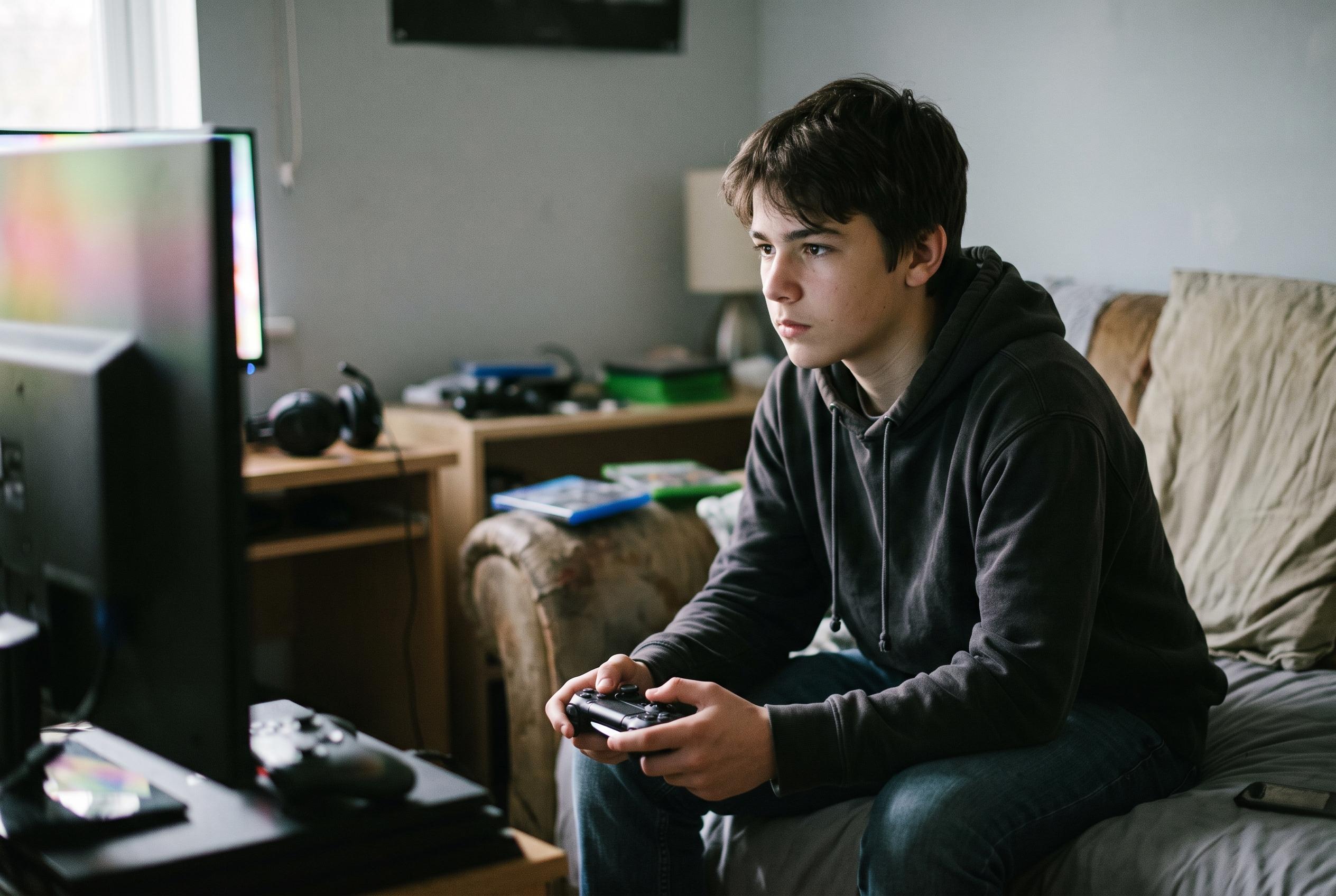

Unpredictable in-game rewards exploit adolescents’ highly reactive reward systems before the brain’s self-control centres have fully matured, experts warn.
Teenagers are particularly vulnerable to gaming and gambling addiction because the brain systems linked to reward and self-control do not mature at the same pace, according to psychiatrist and addiction specialist Rafael Khakimzanov, head of the outpatient unit at the Alkomed clinic. He told Vechernyaya Moskva that the reward system is highly reactive during puberty, while the prefrontal cortex, which governs self-restraint and planning, does not fully mature until about the mid-twenties. In that setting, mechanics built around loot boxes can draw young players into repeated spending and make it harder for them to stop.
Loot boxes are especially concerning because they rely on uncertainty. A player pays without knowing what prize will appear, a structure that mirrors the intermittent rewards used in gambling machines. A systematic review in ScienceDirect found a significant positive association between microtransactions, including loot boxes, and both internet gaming disorder and gambling disorder, with loot boxes posing a greater addiction risk than other forms of in-game spending. The same review said adolescents who buy loot boxes may be more exposed to later gambling problems.
The health consequences can show up in daily life long before a formal diagnosis is made. Khakimzanov said warning signs include worsening sleep, falling school performance, tension with family and friends, and irritability or anxiety when adults try to limit screen time. He also noted that many teenagers deny there is a problem, so parents are often the first to seek help.
Under the International Classification of Diseases, 11th revision, gaming disorder is diagnosed when three features persist for at least a year: loss of control over gaming, gaming taking priority over other interests and routine obligations, and continued play despite harmful consequences. Review literature says the condition is now recognised by the World Health Organisation in ICD-11, while researchers continue to debate its neurobiological basis and the best way to classify it.
Treatment usually begins with clear boundaries at home. Families are advised to keep electronic devices out of the bedroom and stop screen use about 90 minutes before sleep, both to protect rest and to reduce late-night gaming. If symptoms continue, specialist assessment is recommended. Cognitive behavioural therapy is generally considered the first-line treatment, and medicines may be added when gaming problems coexist with depression or attention deficit hyperactivity disorder. A separate review of treatments for internet gaming disorder found that early intervention and tailored plans are important, especially for adolescents.
Boys are more likely to be caught up in loot boxes and problem gambling, while girls with gaming-related harm more often present with depressive symptoms, Khakimzanov said. That difference matters for diagnosis, because the outward signs may not look the same in every child. For parents, the key is to treat persistent changes in sleep, mood, schoolwork and relationships as serious, not as a passing phase.
Disclaimer: This content is for informational purposes only and is not intended to be a substitute for professional medical judgment, advice, diagnosis, or treatment.



