


Brazil has intensified case-finding, contact tracing and vaccination after recording 52 imported measles cases this year, as outbreaks push infections across the Americas to their highest levels in years.
Brazil has stepped up surveillance and vaccination against measles as the disease spreads through the Americas and the United States records its highest annual caseload in more than 35 years, according to the Brazilian Health Ministry. The ministry said the risk of imported infections remains under close watch even though Brazil continues to be classified as free of endemic measles transmission.
By 5 October, Brazil had reported 52 imported cases this year, including 41 in São Paulo, 10 in Amazonas and one in Rio de Janeiro. Health teams have been carrying out active case-finding, epidemiological investigations, contact tracing and vaccination blocks, while also widening immunisation in busy public places, the ministry said. In São Paulo, efforts have focused on the capital, Guarulhos, São Bernardo do Campo and Santo André, where local teams have also worked to identify and monitor contacts.
The regional picture is far worse. The Pan American Health Organisation said measles cases across the Americas have surged sharply in 2026, with the United States, Guatemala, Mexico, Peru and Canada accounting for more than 95% of confirmed infections. In its latest situation report, the agency said the outbreak has hit young children hardest, especially infants under one year old, and that a large share of cases have involved people who were unvaccinated or whose vaccination status was unknown.
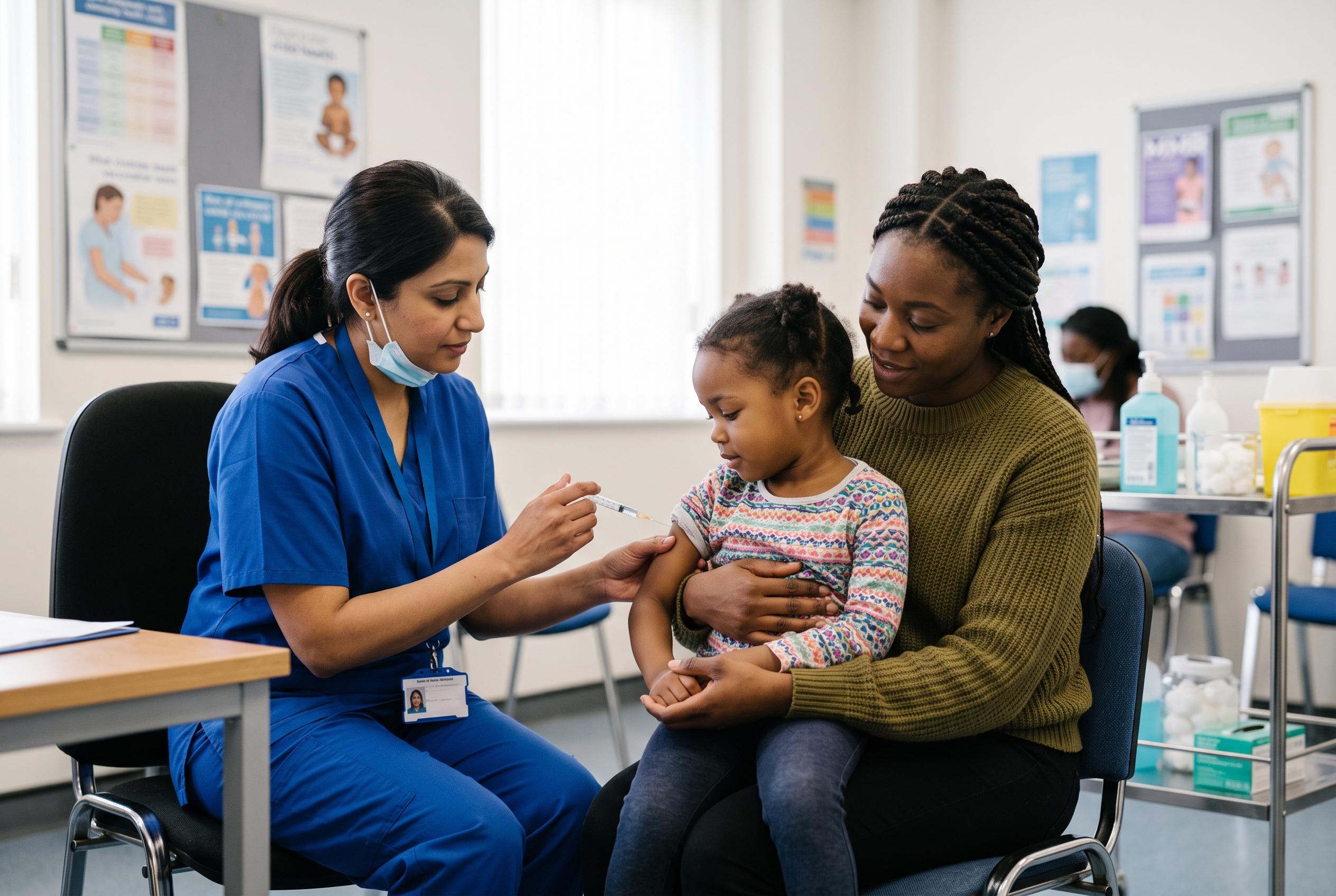
Brazil’s experience shows how quickly the virus can return when immunisation slips. The country recorded more than 20,000 cases in 2019 and lost its elimination status after more than a year of sustained transmission. The Pan American Health Organisation recertified Brazil as free of endemic measles circulation in November 2024 after transmission was interrupted, and the Health Ministry says 85 cases were confirmed between 2023 and 2025, with no deaths. It added that first-dose coverage of the MMR vaccine, which protects against measles, mumps and rubella, reached 93.10% in 2025, with 94.39% in São Paulo and 89.54% in Amazonas. Officials said the vaccine is free through the public health system and urged families with overdue doses to catch up, including through an extra “dose zero” for infants aged six to 11 months and 29 days in higher-risk areas.
Disclaimer: This content is for informational purposes only and is not intended to be a substitute for professional medical judgment, advice, diagnosis, or treatment.



