

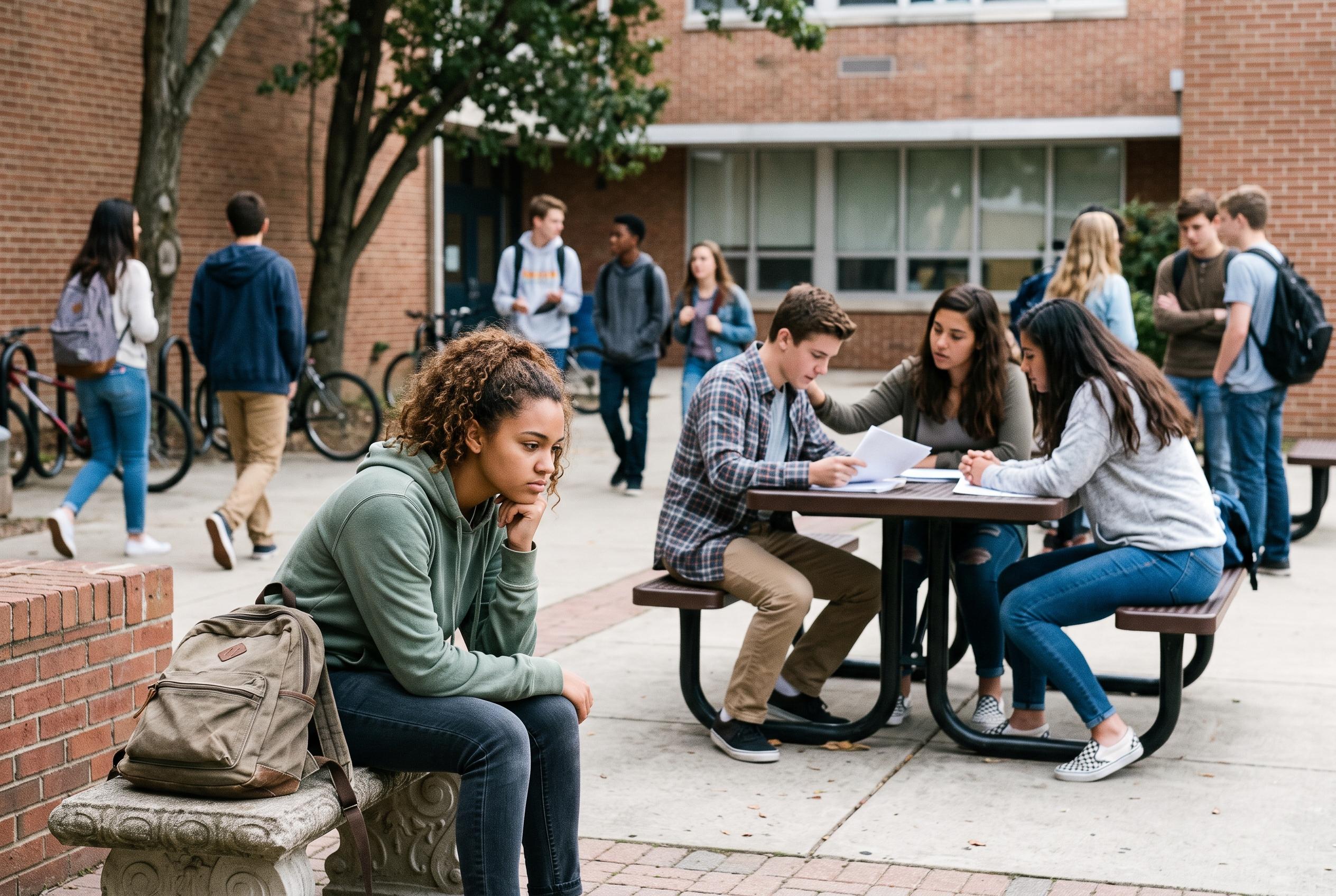

A nationwide survey has found that 41 per cent of Hungarian 14- to 19-year-olds are in an at-risk mental health group, with schoolwork and future choices the biggest sources of pressure.
A nationwide Hungarian survey has found that anxiety is common among teenagers and that school is the main source of pressure, underscoring growing concern about young people’s mental health.
The Idea Institute’s summer 2026 study, published on 10 October to mark World Mental Health Day, found that 37 per cent of respondents often or almost every morning began the day feeling anxious and tense. It also placed 41 per cent of 14- to 19-year-olds in what it described as an “at-risk mental health” group, which the researchers said pointed to a need for closer attention and support rather than amounting to a psychiatric diagnosis.
The findings suggest the problem deepens as adolescents move towards adulthood. The institute said 16- to 19-year-olds recorded particularly weak average scores, with girls faring worse than boys. Lower wellbeing also appeared more often among teenagers from single-parent households, those under financial strain, young people living in central Hungary outside Budapest, and those in smaller or more conflicted social circles.
Help-seeking remains a major obstacle. The survey said many young people were reluctant to talk openly about their difficulties, with shame, doubts about whether others would take them seriously, and uncertainty about where to turn all acting as barriers. That reluctance matters because the report also found that friends and parents remain the strongest informal support network for teenagers, even as many say they have experienced abuse or humiliation in the past year.
School emerged as the dominant stress factor. According to the study, grades, academic expectations and choices about further study or careers were the heaviest burdens for 14- to 19-year-olds. At the same time, researchers noted that school can also provide structure, peer contact and access to adults who may be able to help, showing how the same environment can both strain and protect mental wellbeing.
The report also highlighted how digital platforms have become part of that support landscape. Nearly all respondents said they use artificial intelligence with some frequency, and almost half do so every day, mainly for practical or educational purposes. More than half of social media users said they had sought help, advice or information online about emotional or personal issues at least once, with girls and older teenagers especially likely to do so.
The findings fit a broader pattern seen in recent research on Hungarian youth. Studies published in Scientific Reports earlier this year found increasing psychosomatic symptoms among adolescents over the past two decades, while another Scientific Reports paper linked prolonged social media use among Hungarian adults with psychological distress. A separate European survey this spring found many teens across the EU already spend more than six hours a day on screens on school days, adding to concern about the pressure digital life may place on young people.
Disclaimer: This content is for informational purposes only and is not intended to be a substitute for professional medical judgment, advice, diagnosis, or treatment.



