

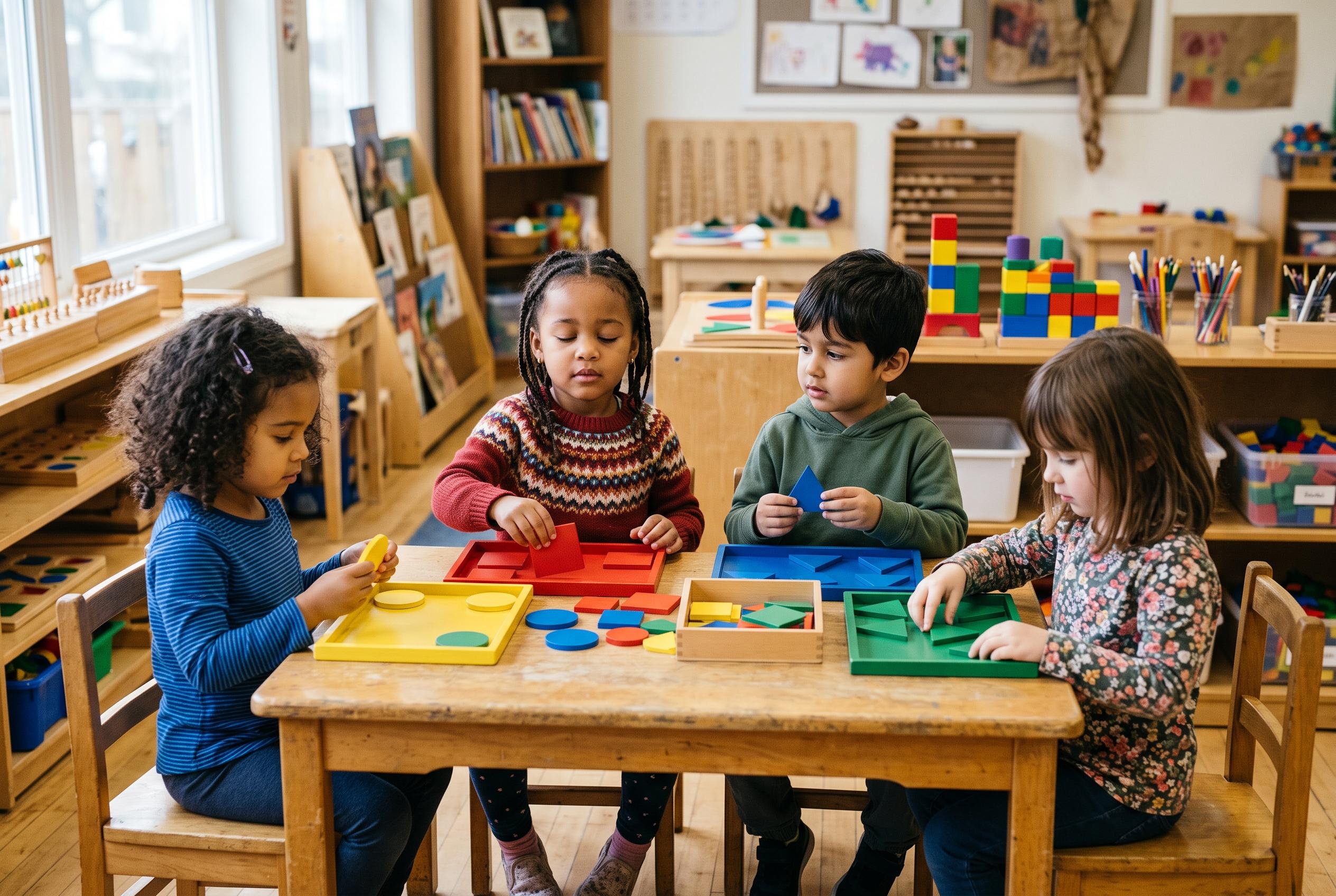

Japanese researchers found that preschool children who blinked more often performed better when switching between rules, but say blinking is not a test of intelligence.
A new study suggests that a toddler who blinks more may also be showing signs of stronger thinking skills. Researchers in Japan found that spontaneous blinking in children aged three to six was associated with better performance on a task that measured cognitive flexibility, the ability to stop following one rule and switch to another. In practical terms, that kind of mental shifting is part of the same executive-function skills that help young children follow directions, manage impulses and adapt to changing situations.
The study involved 113 children and used a classic card-sorting exercise in which the sorting rule changes midway from colour to shape. As the children completed the task, researchers tracked their blink rate on ordinary video cameras and measured brain activity with functional near-infrared spectroscopy, or fNIRS, a non-invasive technique that detects changes in blood oxygen levels near the surface of the brain. The strongest link appeared in the right dorsolateral prefrontal cortex, a region tied to planning, focus and flexible control.
That finding fits with earlier research suggesting that spontaneous eye-blink rate can serve as a rough marker of dopamine activity in the brain. Reviews published in PubMed have linked higher blink rates with greater dopamine function and with differences in cognitive performance, especially in tasks that require set-shifting, or changing mental rules on the fly. Other studies have reported similar ties between blink rate and cognitive flexibility in adults, while research in children has shown that blink patterns can also be influenced by development, attention and task demands.
The new work does not mean blinking can diagnose a child’s intelligence or replace established testing. But it does suggest a simple, inexpensive sign that may help researchers better understand how young brains develop. That could be especially useful because preschoolers are often difficult to assess with more intrusive methods, and the executive skills that emerge in these years are closely linked to later learning and social development.
Disclaimer: This content is for informational purposes only and is not intended to be a substitute for professional medical judgment, advice, diagnosis, or treatment.



